The spirit of Gujarat
Ahmedabad to Surat, 18th - 27th November
I had a lot of hospitality between Ahmedabad and Surat. First a Warmshowers host in Anand (which morphed into a five-day stay and a visit to Vadodara), then some ashrams along the Dandi Path, and finally a Couchsurfing host in Surat. Although I didn’t venture out into the Gujarat peninsula, I think I got a broad view of the spirit of Gujarat through staying with different people and seeing different cities and villages throughout the state. No alcoholic spirits were involved, of course, Gujarat being a dry state.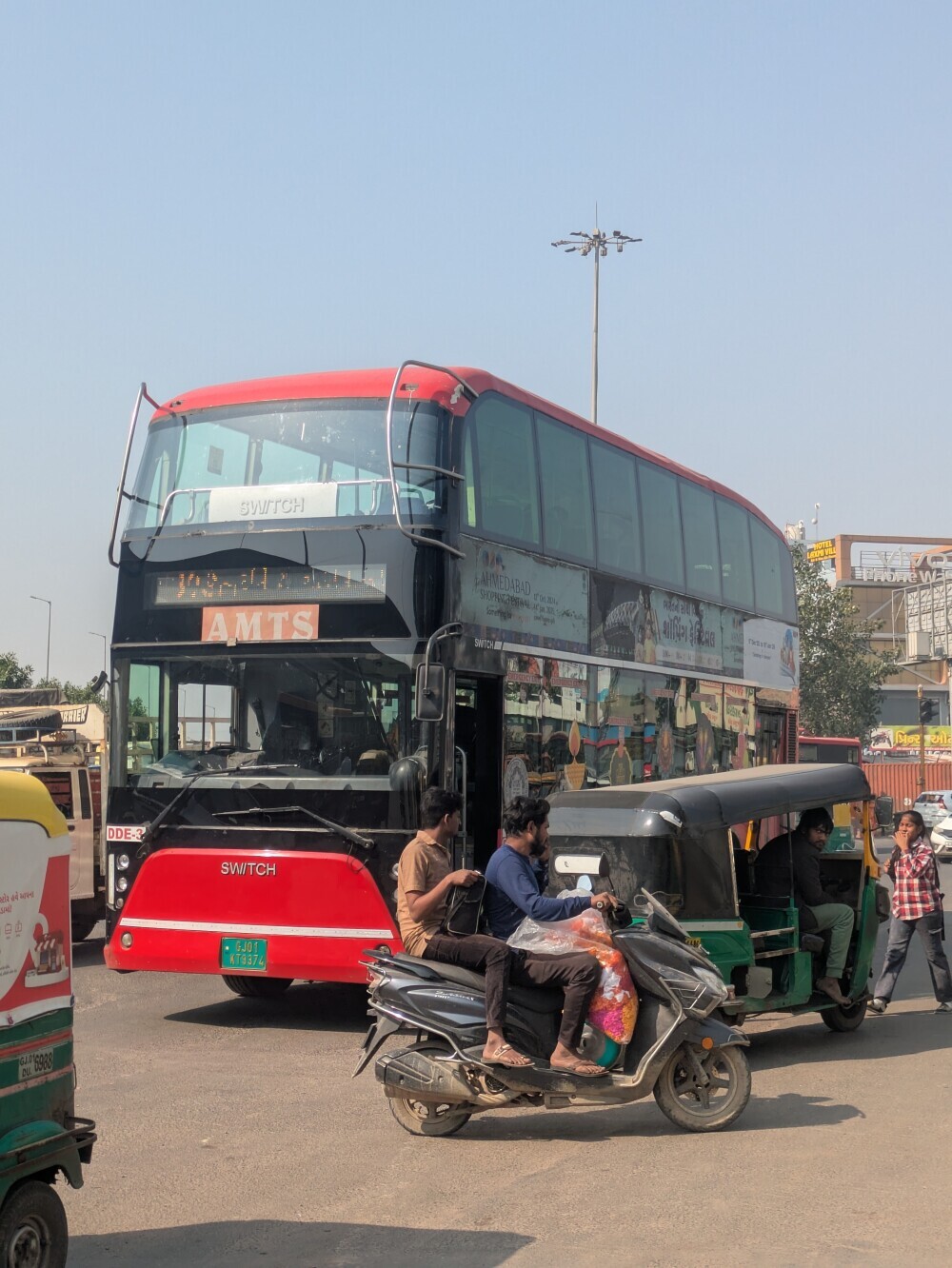
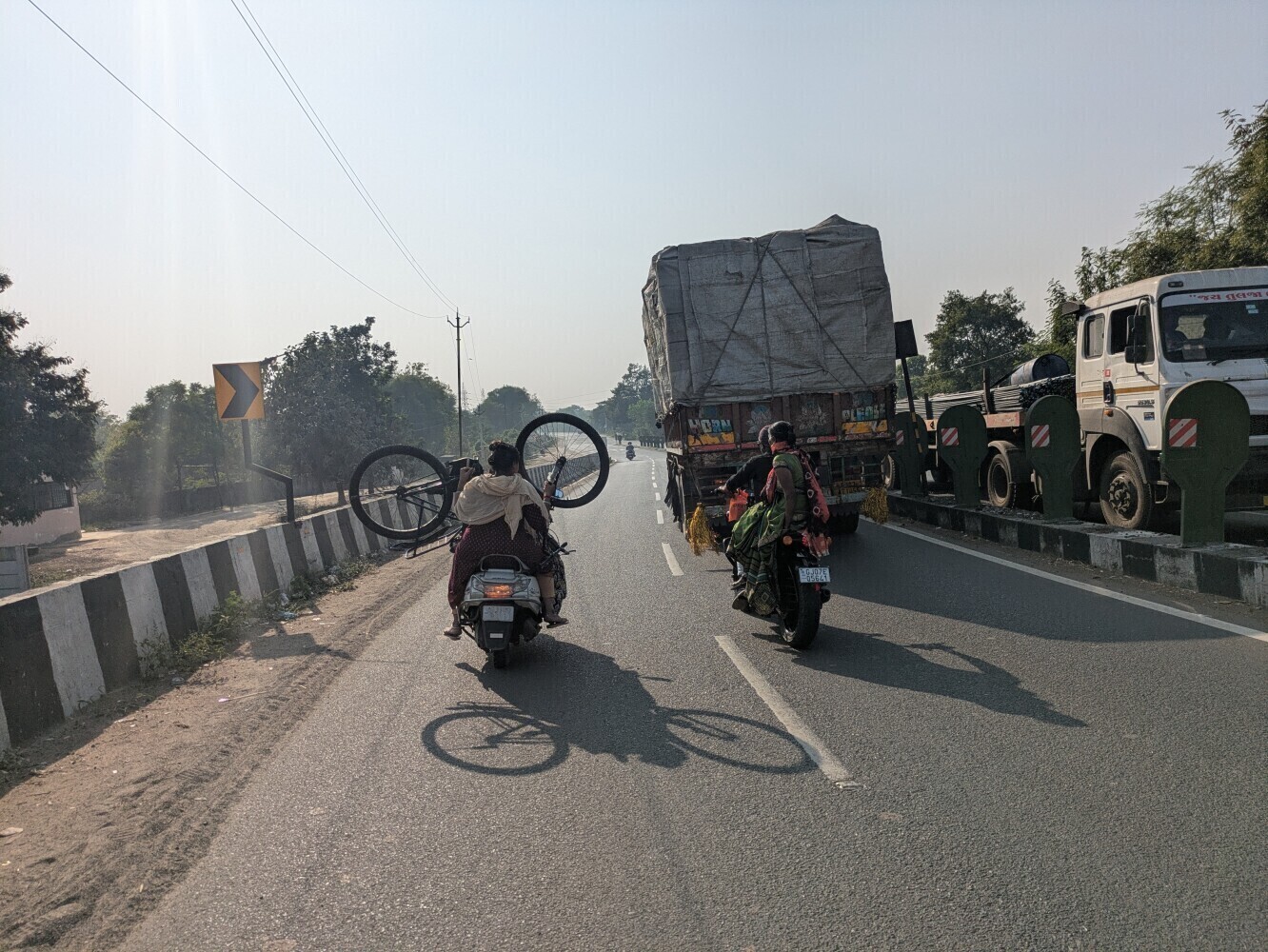
My first stop after leaving Ahmedabad was the small city of Anand, where I was hosted by a kind soul from Warmshowers. There aren’t many hosts in India, and this was my first time contacting one since I arrived here. My host Ajita was amazing. Despite being busy with her job and planning for her son’s upcoming wedding, she made me feel right at home and made sure that I had a good time. Hearing that I was planning to go south, she recommended that I take the Dandi Path towards Surat, a route she’d cycled before as part of a group (more on that later). I was happy to accept the recommendation, although it meant I would miss visiting Vadodara. She solved that problem too, driving me to Vadodara, giving me a place to stay, and even giving me a local guide, Pinal. Pinal was Ajita’s cycling buddy from various trips within India and she became effectively a second Warmshowers host to me.
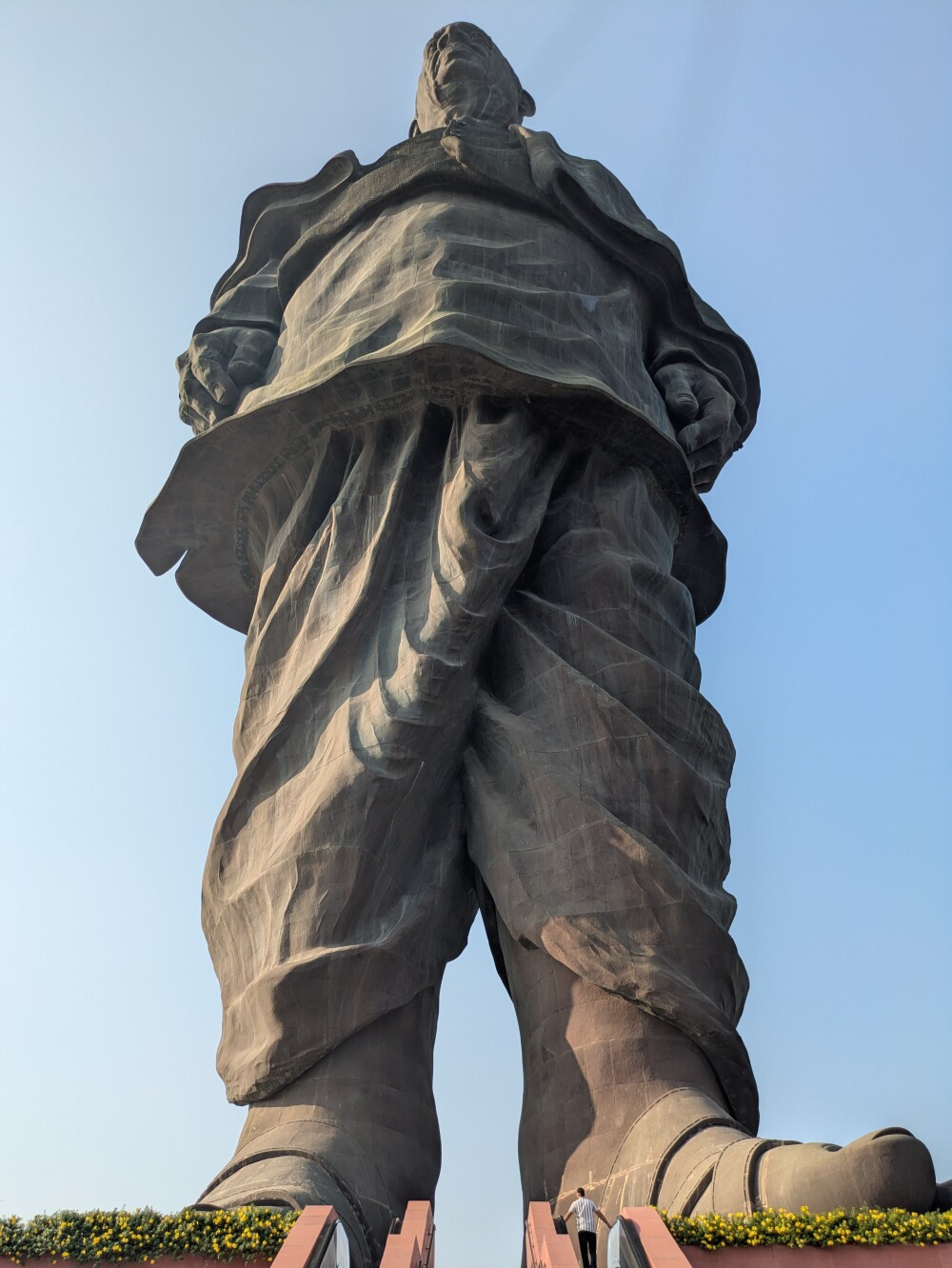
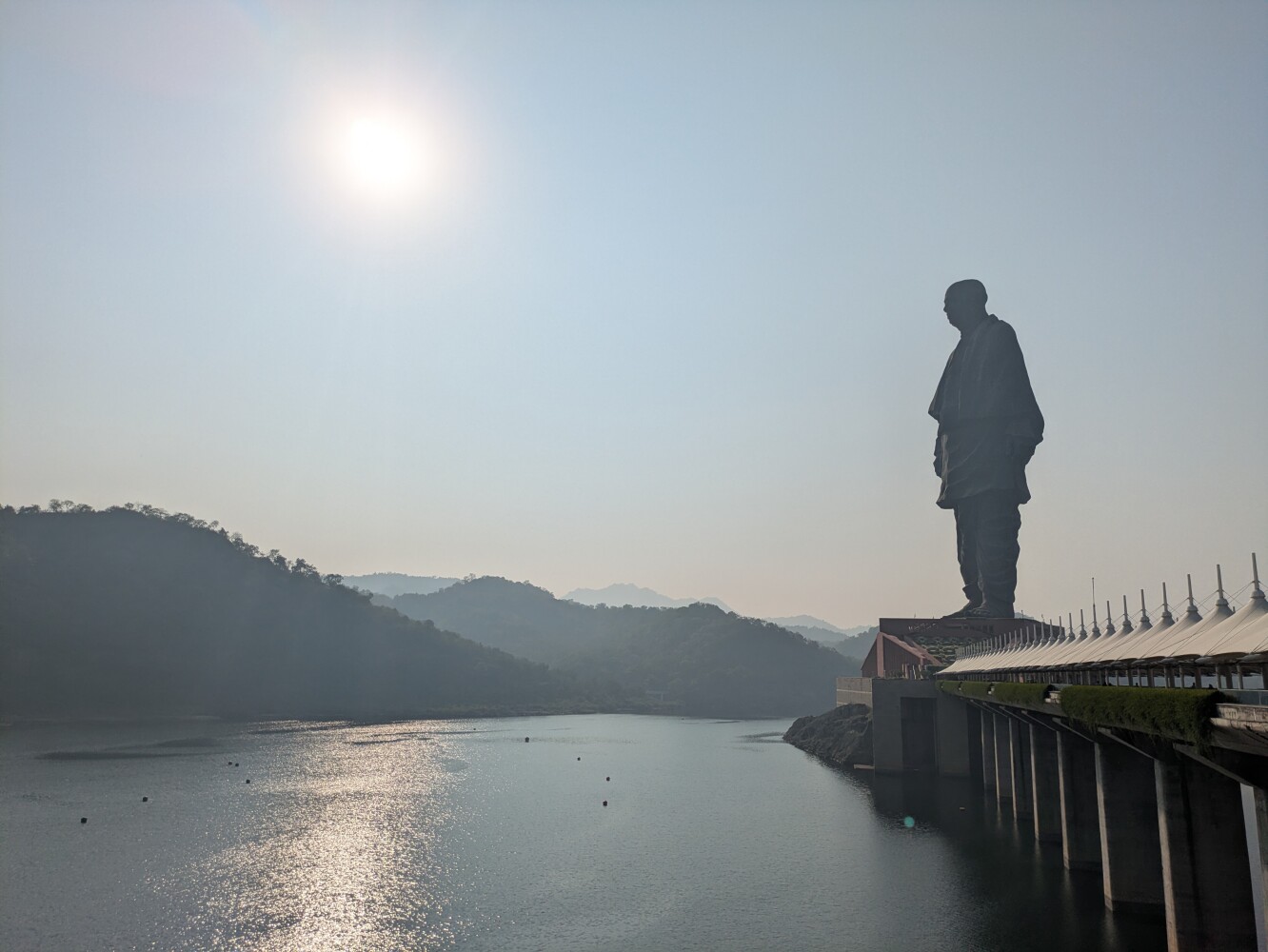
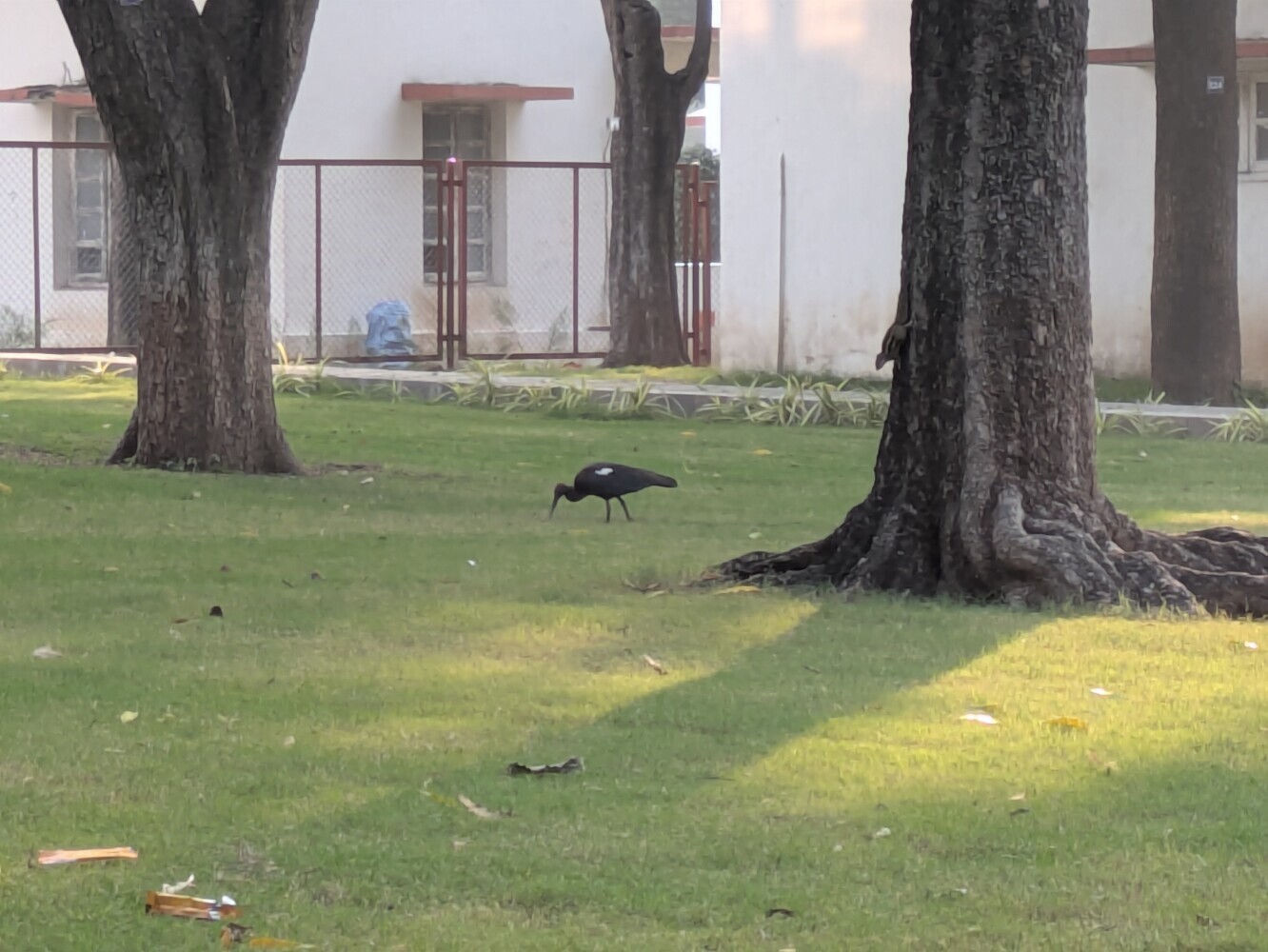
Although I’d only intended to stay in Anand for a day, perhaps visiting the Amul dairy, Ajita and Pinal’s hospitality meant that in the end I stayed for five nights between Anand and Vadodara. Ajita and her friends are keen birdwatchers and I learned a bit about Gujarat’s birds, as well as recommendations for Ahmedabad that I could really have used a couple of days earlier. Pinal took me around the Baroda Museum (the old name for Vadodara) and, along with her friend, took me to eat good food and coffee in the city. I also stayed with her family for a night, where I was given delicious home-cooked Gujarati meals. It was one thing after another, and I was hardly ever alone. I made a day trip to see the Statue of Unity, the tallest statue in the world, and I was glad of the long bus journeys just to have some time to myself.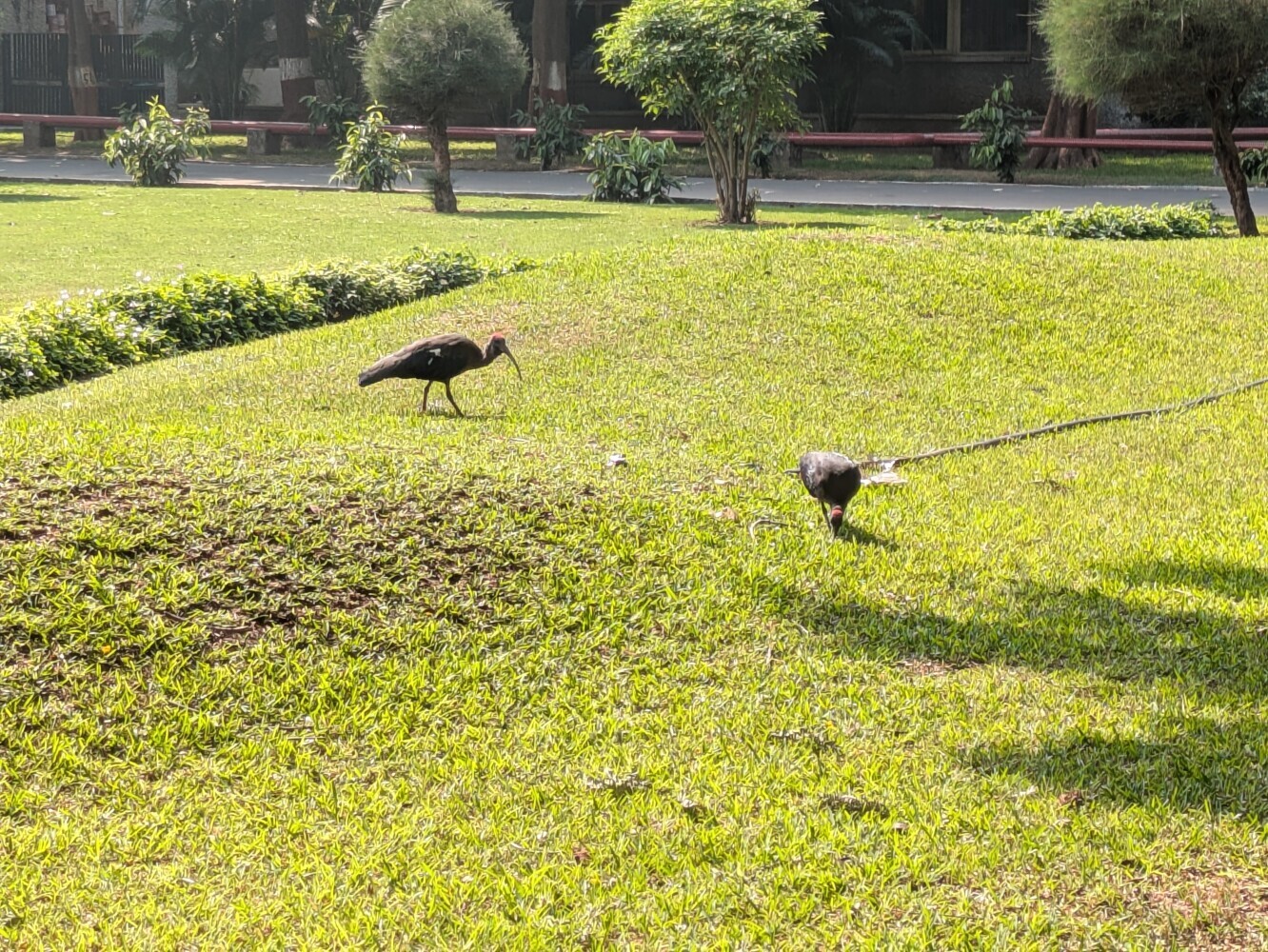
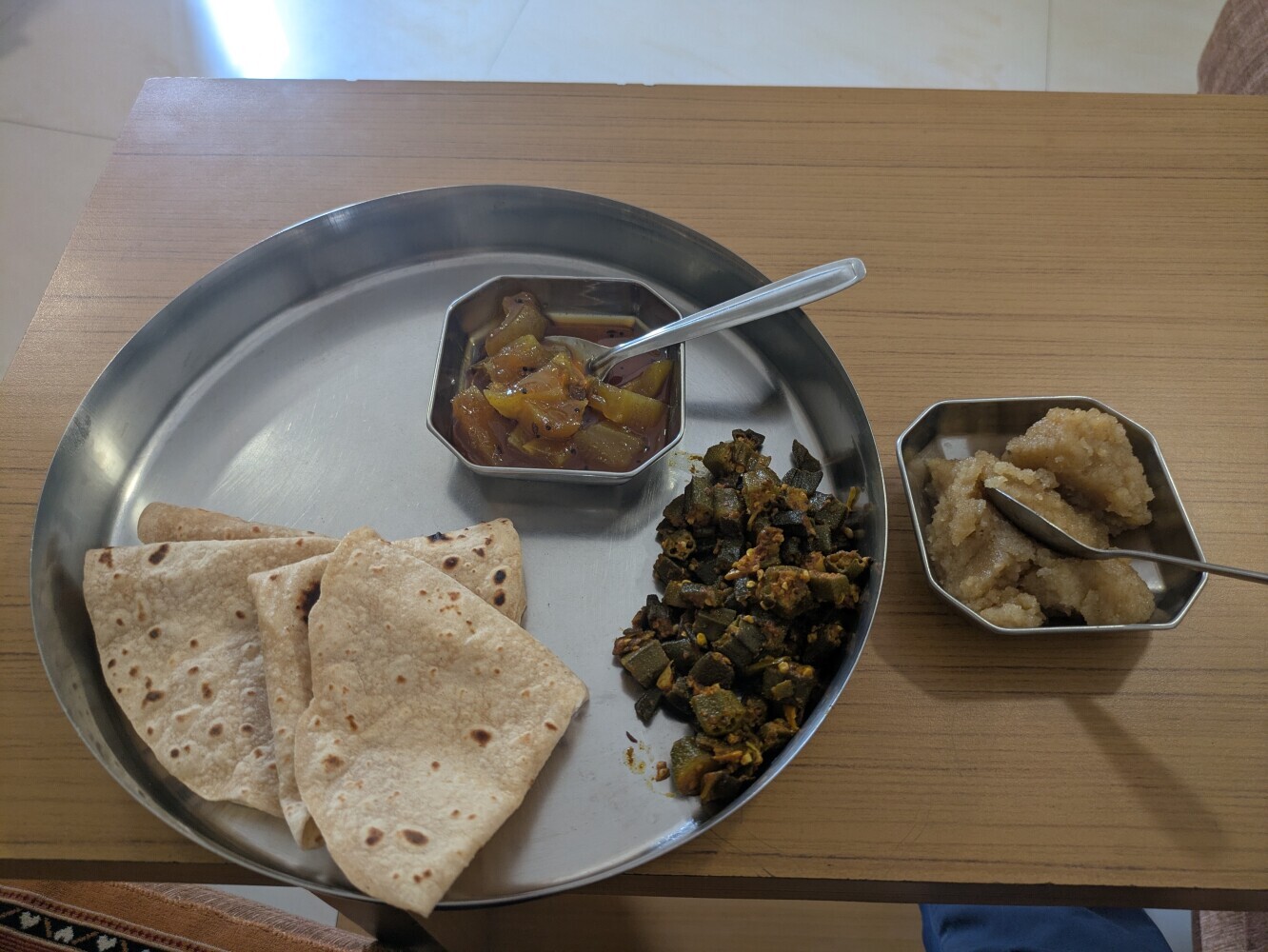
I hadn’t been expecting anything like all this hospitality when I’d looked at Anand on the map, and it totally transformed my experience. Ajita’s house in Anand was in a gated community (‘colony’) for IRMA staff, which was beautifully quiet and full of birds. It’s exactly the kind of place I’m normally locked out of, and a world away from the messy, noisy roadside hotels I often stay in. Staying with Ajita and Pinal showed me a different side of Gujarat, the families and family homes which are so central to most people’s lives. Looking back, the hospitality had begun even before I reached Anand, with a father on a motorbike buying me some roadside dhokla for breakfast just outside Ahmedabad. This is Gujarat at its best: fantastic bird life, home-cooked meals, and looking after a stranger like your own family.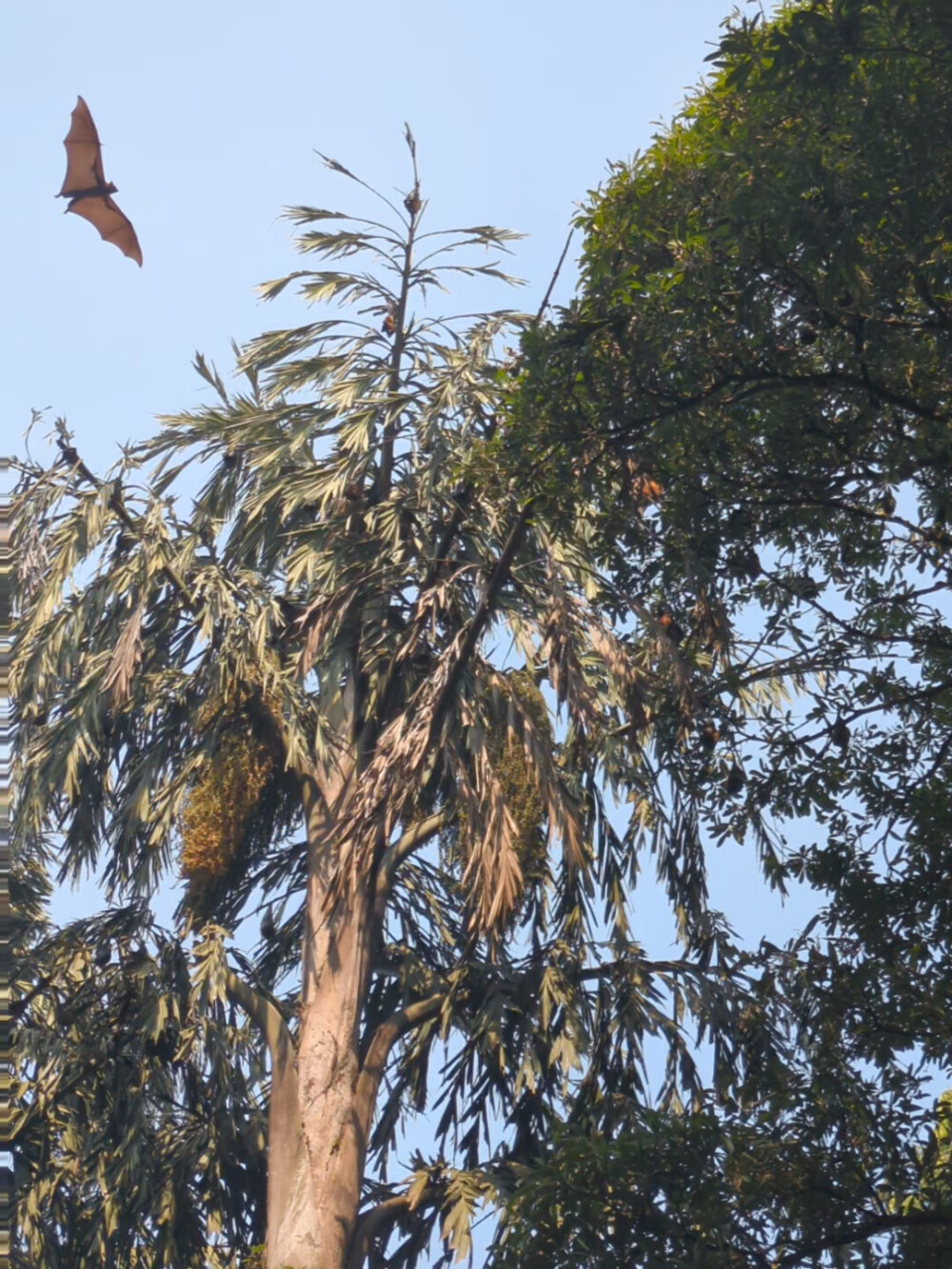
After Anand, I followed Ajita’s recommendation and headed south along the Dandi Path, the route walked by Mahatma Gandhi in his 1930 Salt March. This would hopefully take me along quieter roads and I’d be able to stay in ashrams along the way. The modern version dates to 2019, when they built a big memorial at Dandi Beach and new buildings at the ashrams en route. Ajita had been invited to the inaugural bike ride, where they’d had a large group of cyclists and support including their own cook, and she’d rated the ashrams highly. My expectations were low, given my experiences so far in dingy dharamshalas, but I was looking forward to some cheap stays and quiet evenings to myself.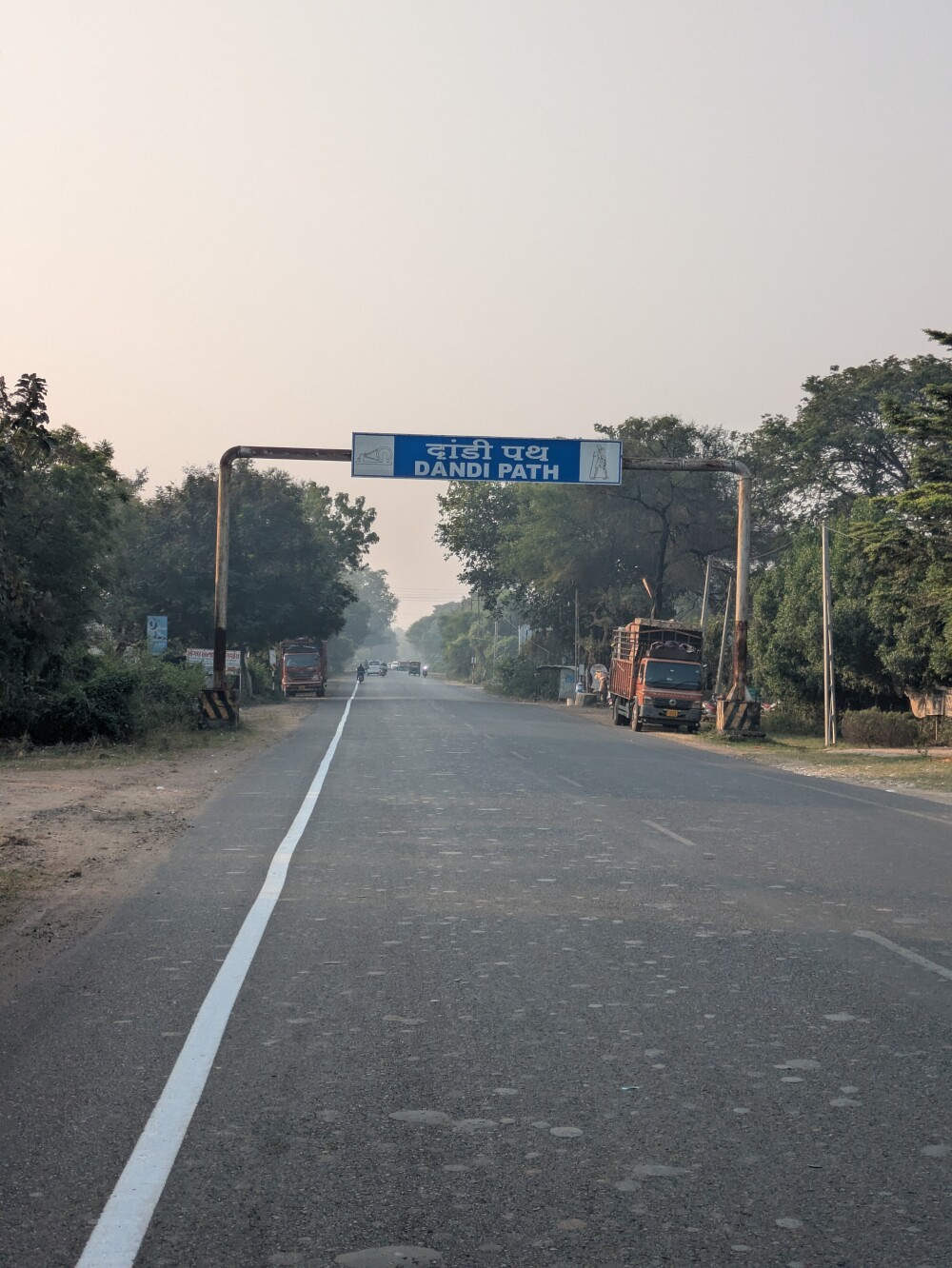
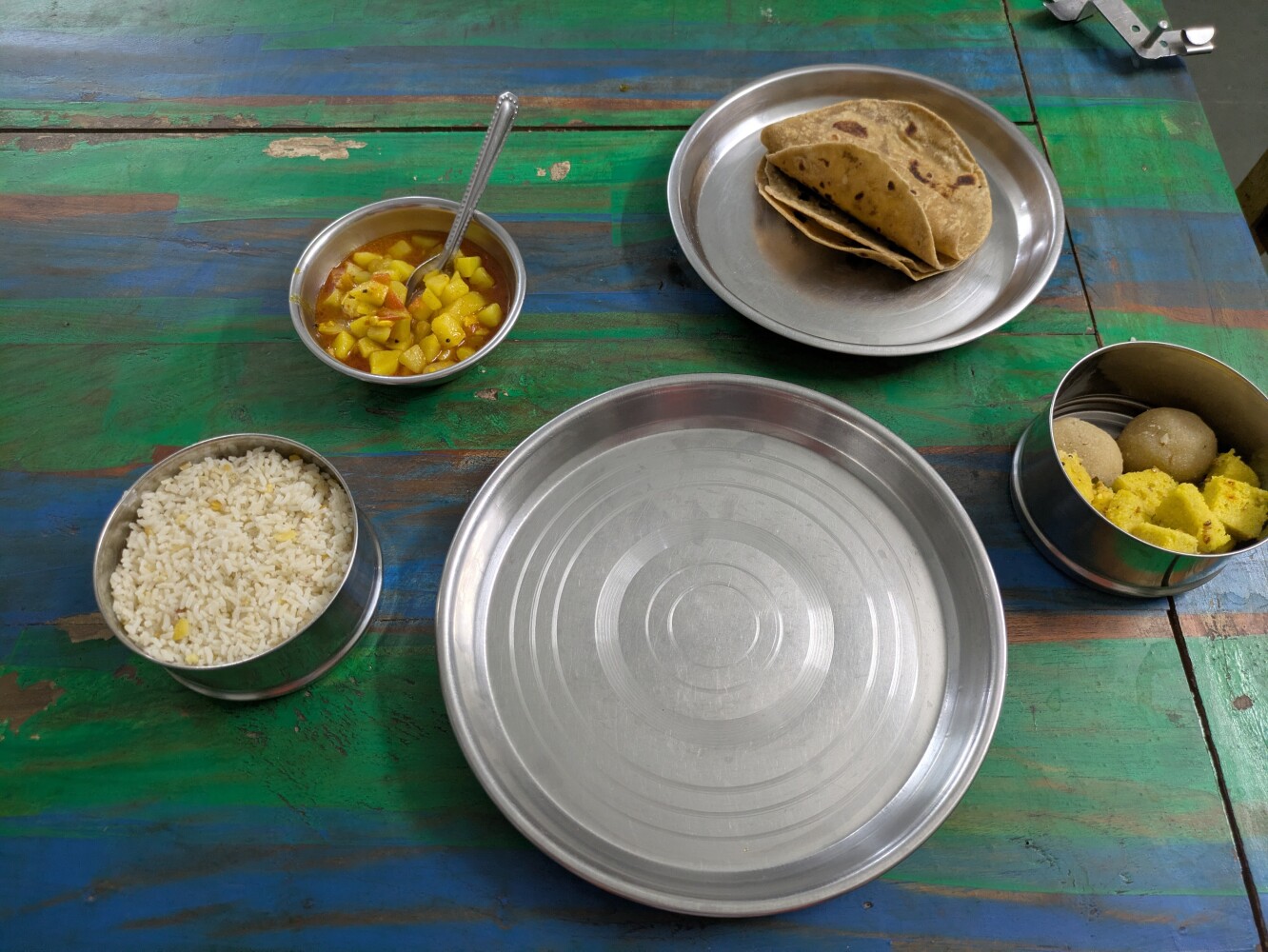
Quiet evenings were not really in the cards, though. I reached my first ashram, Kankapura, on Sunday afternoon and was greeted by a group of men who all wanted to talk to me. I wasn’t sure who was staff and who was just hanging around, and I couldn’t keep track of any names. I eventually escaped with the excuse of wanting a nap, which earned me a little peace, but even this was interrupted by guys knocking on my door to ask me about dinner. In my sleepy haze, I agreed to have dinner with someone and his family, but also to have a simple dinner at the ashram. I was also given a packed lunch in my room. Let it not be said that they don’t feed you at the ashram. I had mentioned that I wanted to take a walk down to the riverbank (which looked pretty close on the map), so one of the guys escorted me on his motorbike. I guess that’s on me for not specifying that I wanted to go by myself. He was a good guide, though, and showed me the spot where Gandhi and his group walked across the river, something I wouldn’t have found by myself.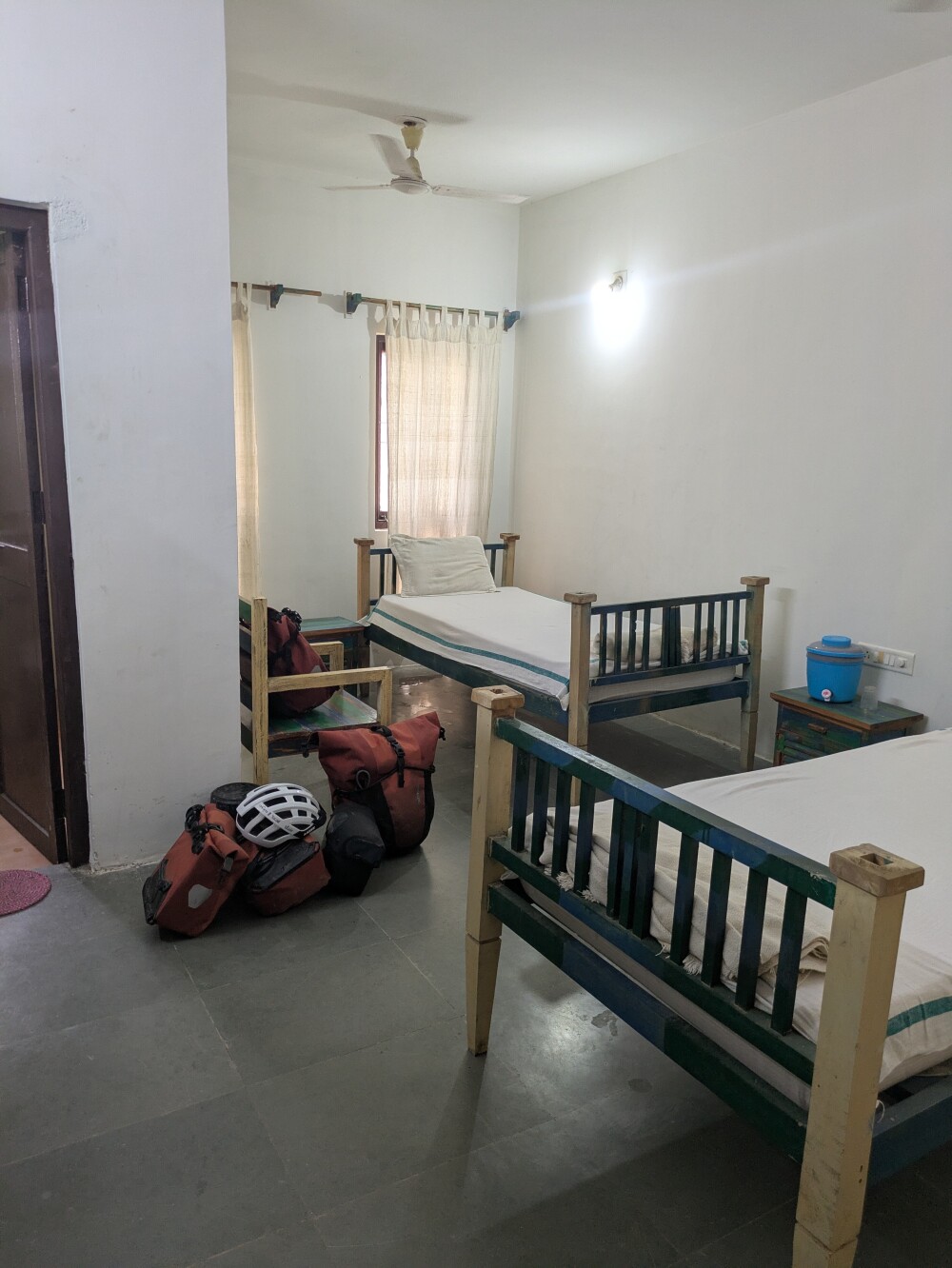
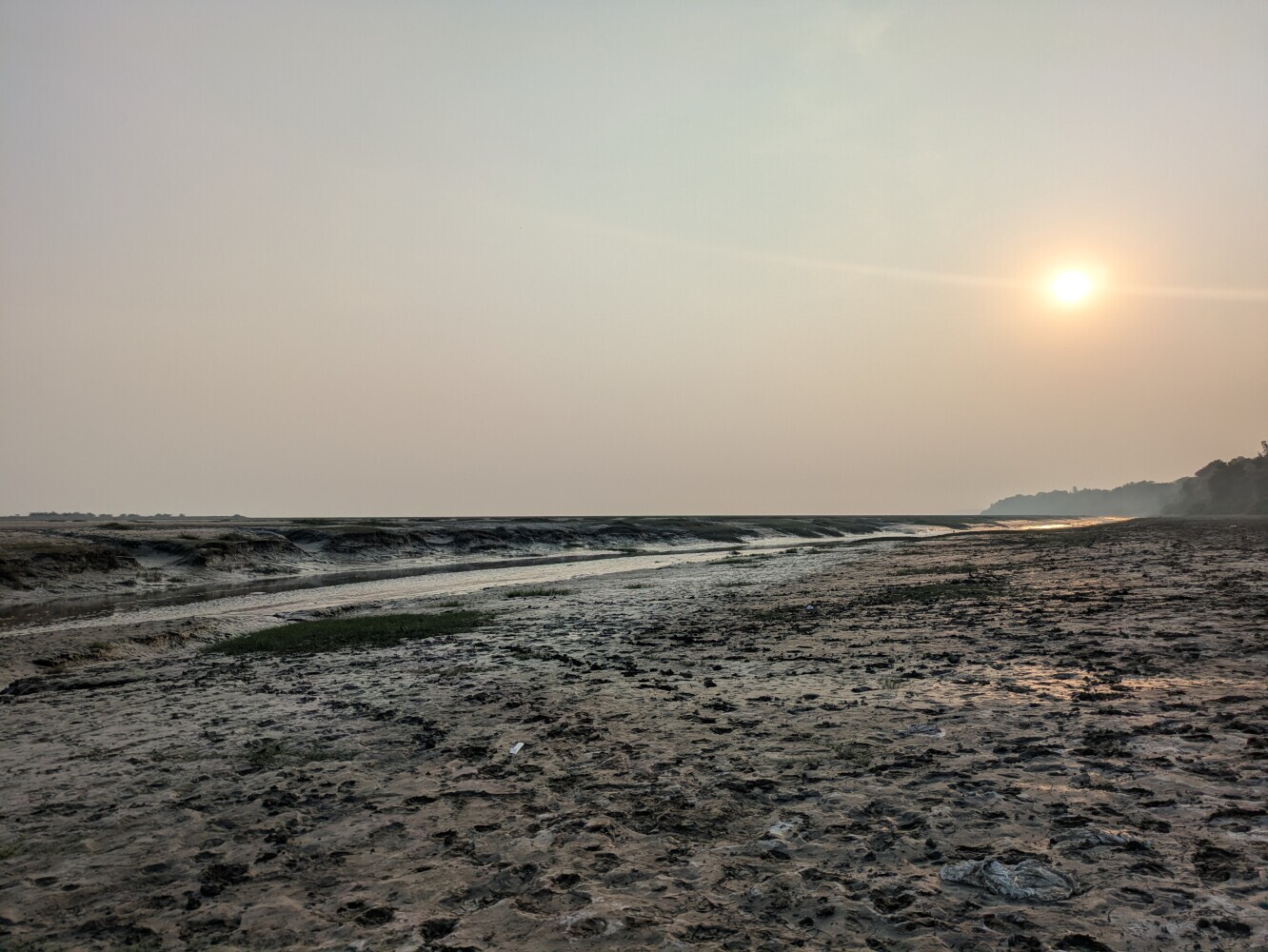
However, when I asked my guide about how I could reach the next ashram, Kareli, I got some bad news. The closest bridge had collapsed, so I’d have to go to the next bridge inland to cross the river. It was still manageable, a 90km day instead of a 50km day, but pretty annoying. I’d have to start early in the morning and significantly retrace my steps, and I would cover less southwards distance than I’d hoped. If I had called ahead, they would’ve been able to arrange a boat crossing of the river, but it was apparently too short notice now. This was extra frustrating, because I had tried to call ahead using their website and Google Maps numbers, but neither worked. I would’ve needed to somehow know a personal phone number to reach them. That’s India - you’ve always got to know someone. At least this was a way I could be useful to Ajita, and I gave her the number she’d need if she wanted to come.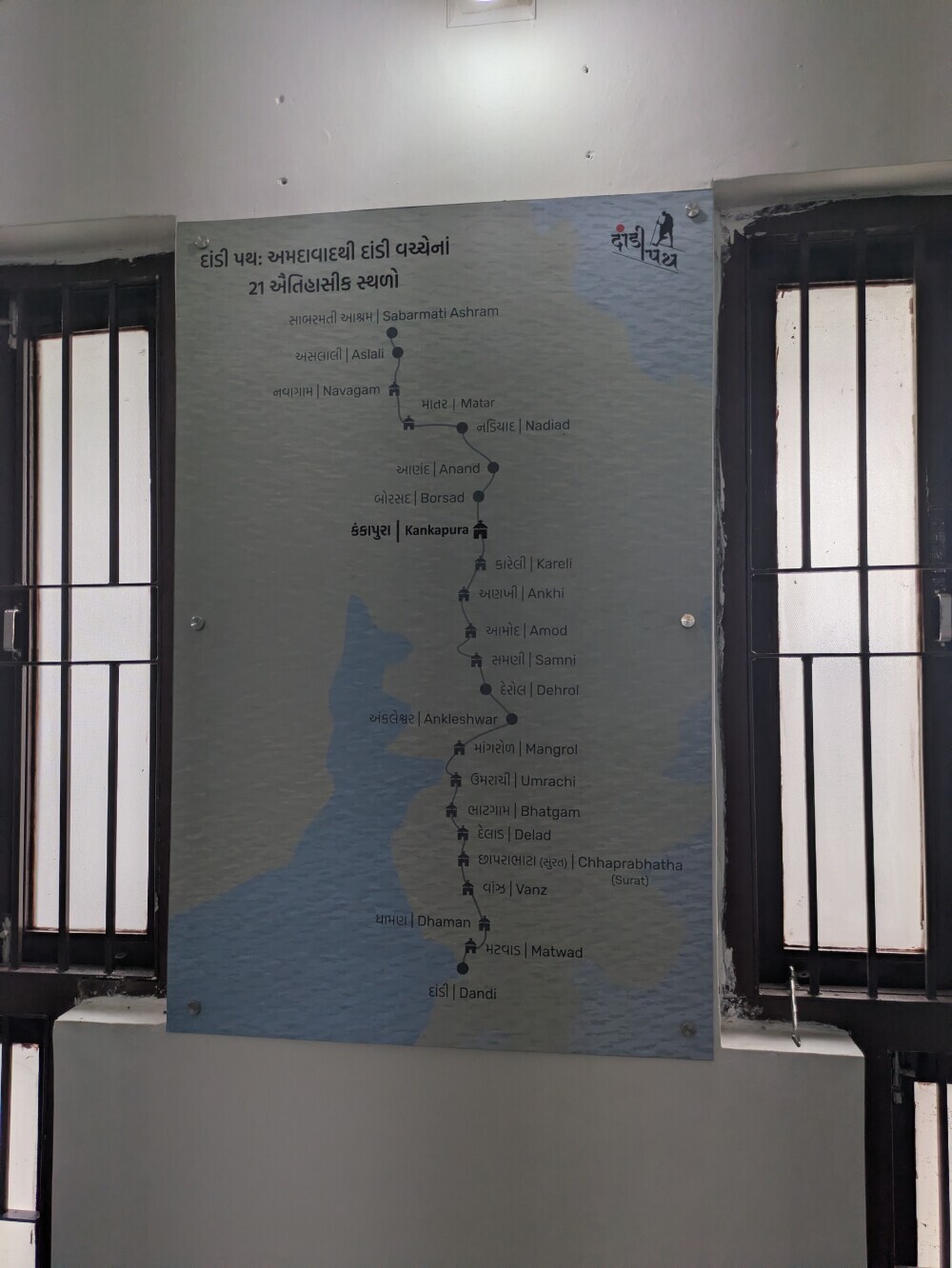
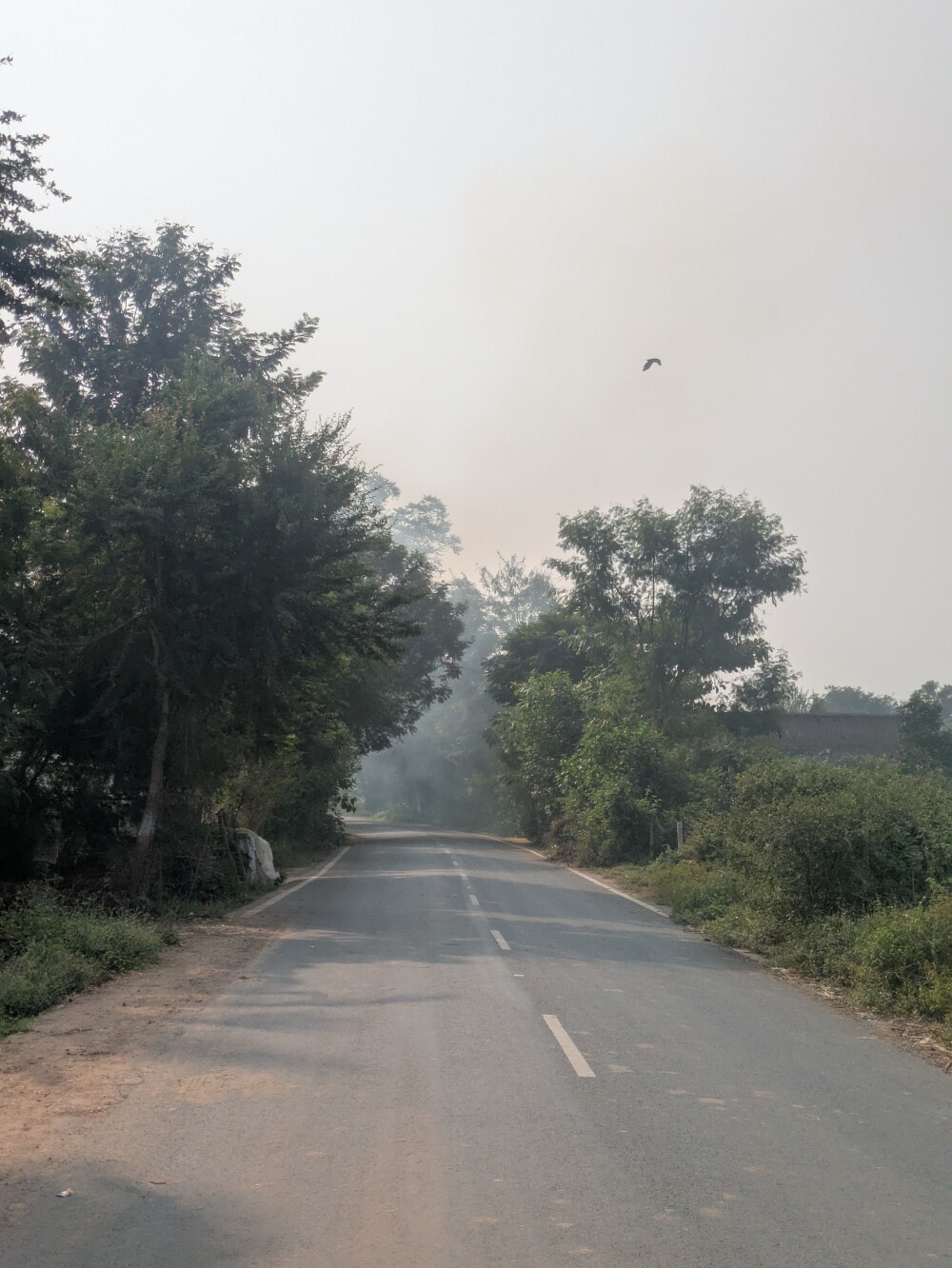
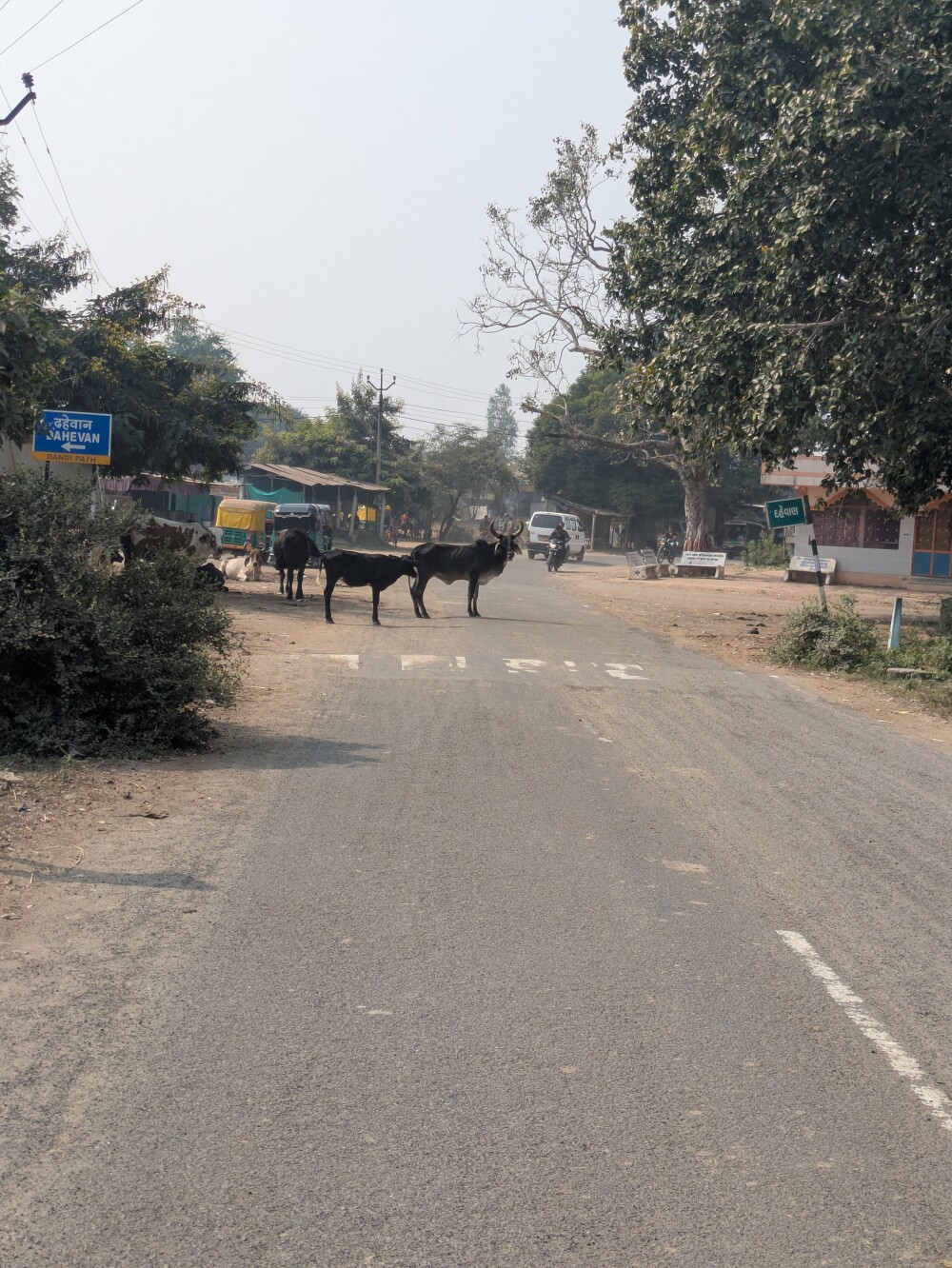
The next morning, my plans changed again. I would actually be able to take a boat across the river, apparently. I just needed to go to Gambhira, the village by the broken bridge, and talk to some kind of boat guy at the riverbank. Hearing this, one of the ashram guys made a phone call and arranged for me to meet his friend in Gambhira, who’d then take me to the boat guy. Fantastic. I left early and took a nice slow ride through the village roads. I’d been spending a bit too much time on highways in the past few weeks, and the quiet and greenery of the smaller roads was all the sweeter by contrast. The trees gave me some shade and the surfacing was much smoother than the potholed Punjab backroads that had driven me to my highway habits last month.
On arriving in Gambhira, I met Narendra, the local friend of one of the ashram guys. We weren’t going to head directly to the boat, though. Knowing I hadn’t had breakfast, Narendra took me to have lunch with his family in the village first. I sat on the bed in the main room with his friends and was introduced to his wife and daughter, although they weren’t socialising much. They were outside watching the toddler and cooking our lunch, which apparently Narendra had neglected to tell them about ahead of time. Meanwhile, me and the other men sat inside chatting idly as Narendra showed me an Instagram Reels video he’d shot on his previous trip crossing the river by boat. I had been picturing a bigger boat, since I’d been told my bike would go in some kind of storage and wouldn’t be at risk of getting wet. Instead, it looked more like a large canoe with a motor on it. I’d go for it anyway, though - it’s alright if the bike gets splashed a bit.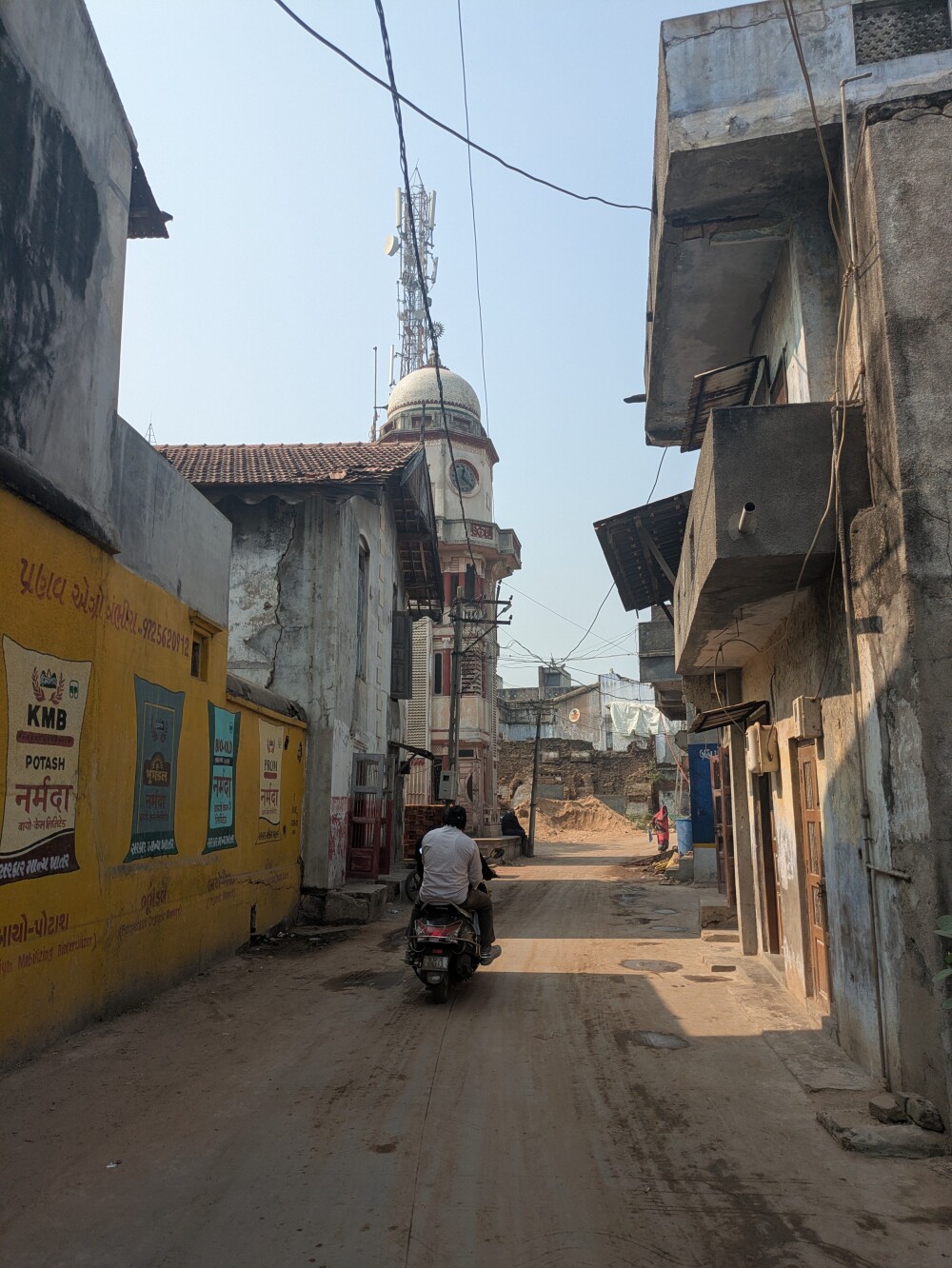
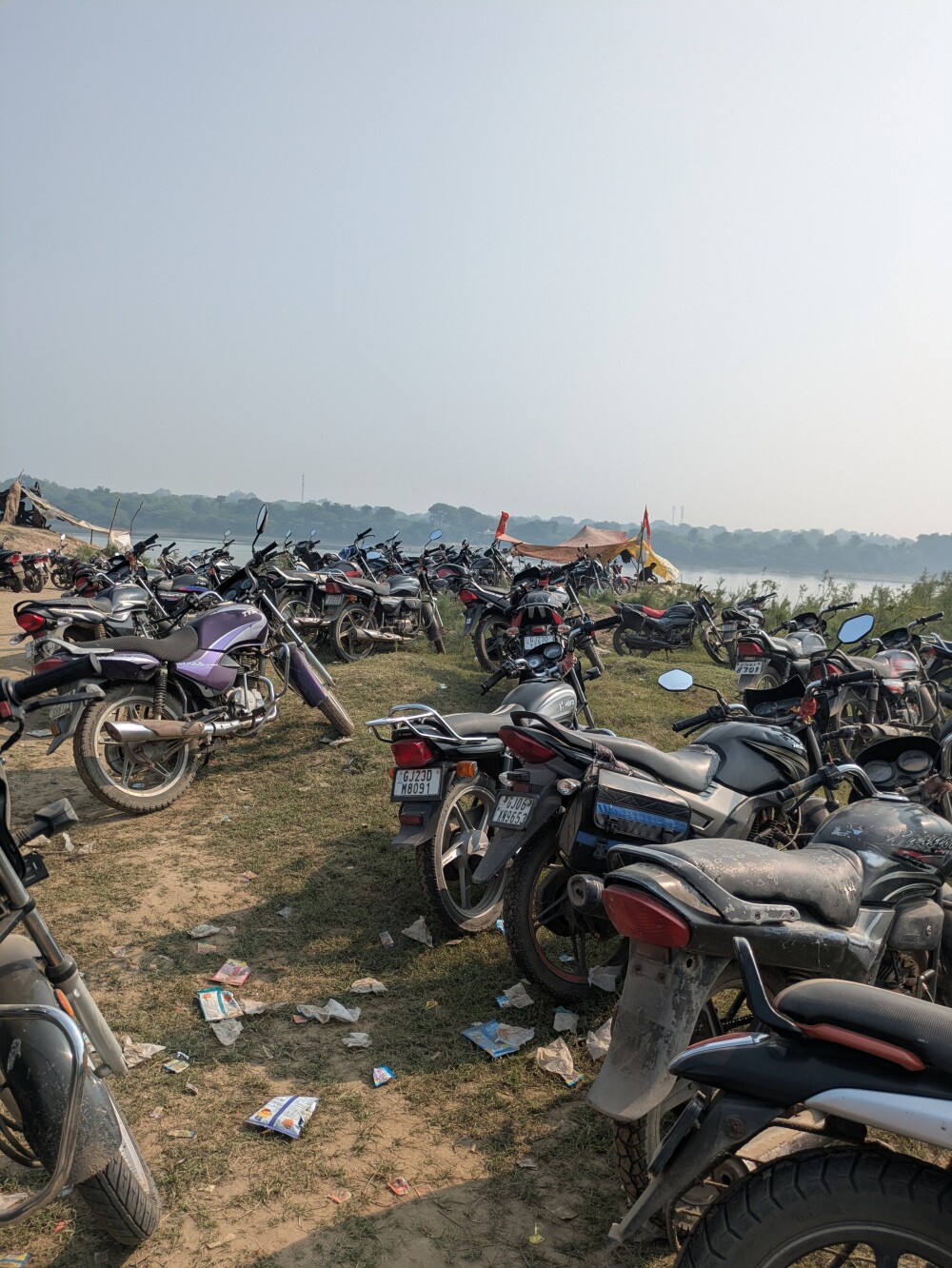
After devouring a delicious Gujarati lunch, it was time to go to the river. I waved goodbye to various children and adults who I’d just met, had several pictures taken with me, and followed Narendra out of the village. Our route got progressively emptier as we went along, until we ended up on a path that was pretty much sand and rocks heading towards the riverbank. No signs, of course - the whole crossing is just one big desire path made because there’s a demand for it. There was a sprawling mass of motorbikes left on the riverbank (the riders presumably commuting across the river), some cloth canopies for shade, and half a dozen small motorboats and accompanying captains ferrying people across the river. The standard fare was a hundred rupees per person (just under £1), and the boats generally seemed to have five or six passengers squeezed onto them.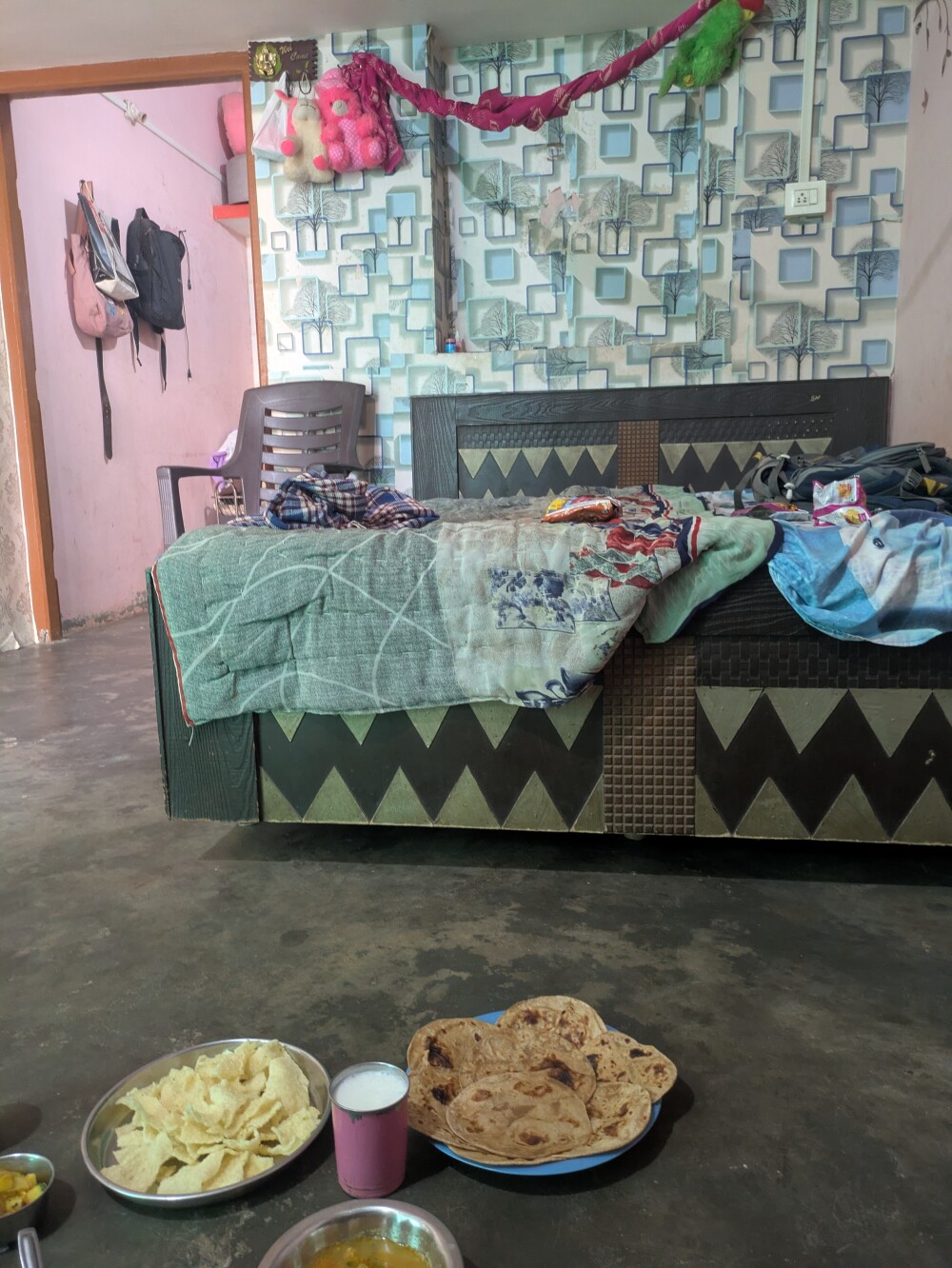
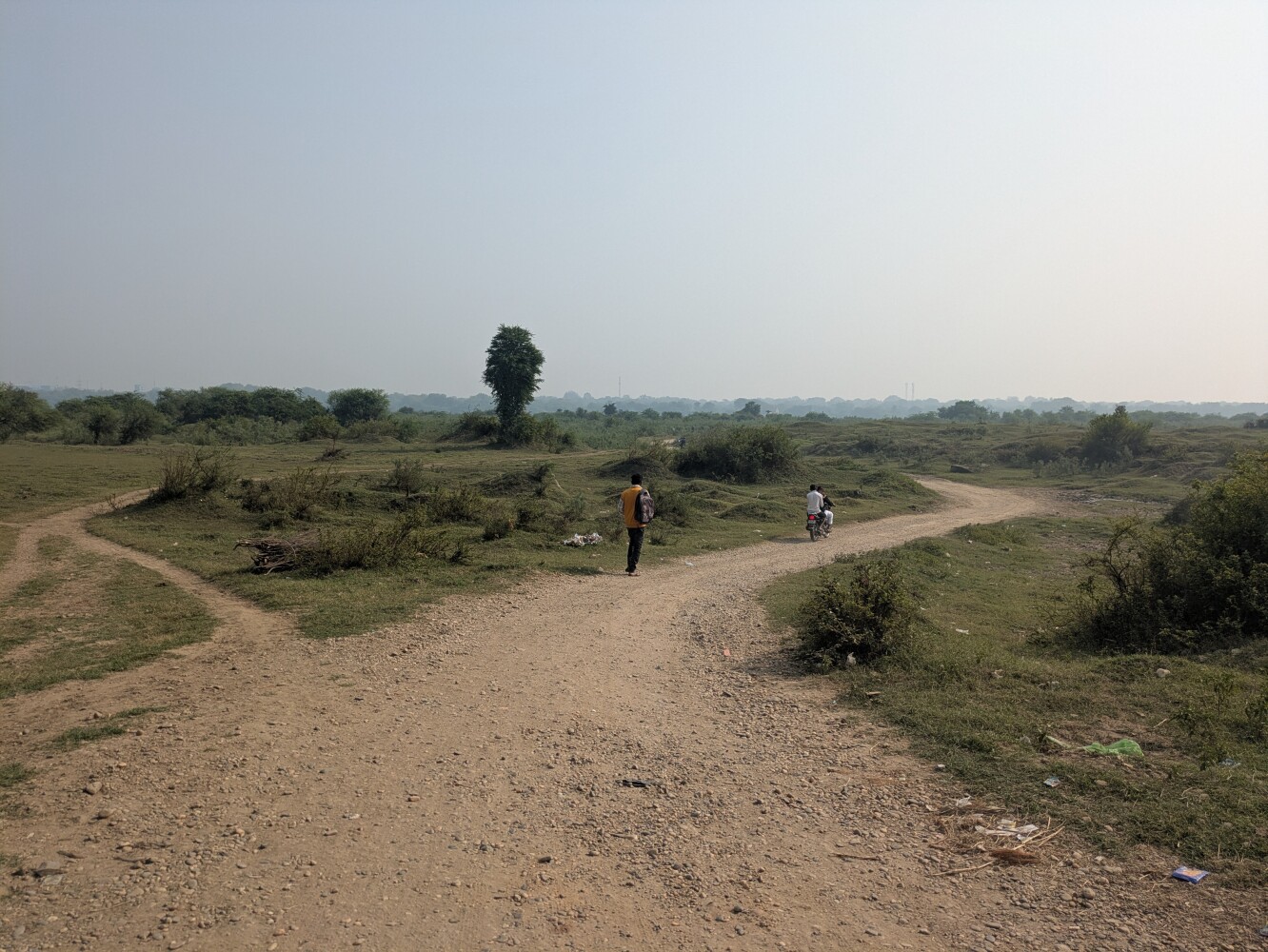
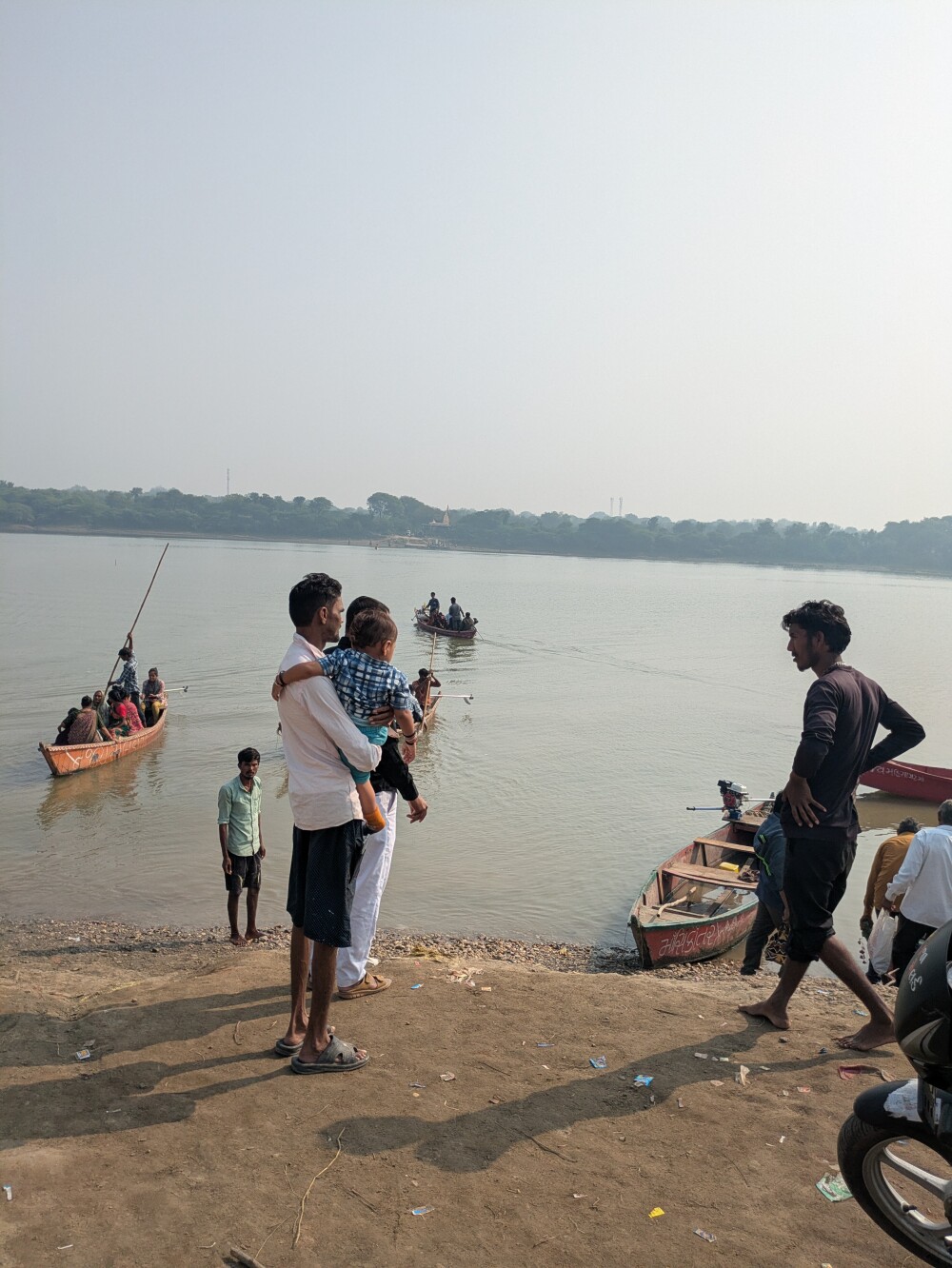
I followed Narendra to the riverbank, and he began talking to one of the boatmen on my behalf. My bike was deemed acceptable cargo, and three random men appeared to load it onto the boat, not allowing me to help. With my bike loaded on, I stepped onto the boat, joining the existing passengers, and we pushed off. Narendra stayed on the bank, filming another reel, and I waved goodbye to him from the river. Another stranger who’d touched my life for a moment and who I've never seen again.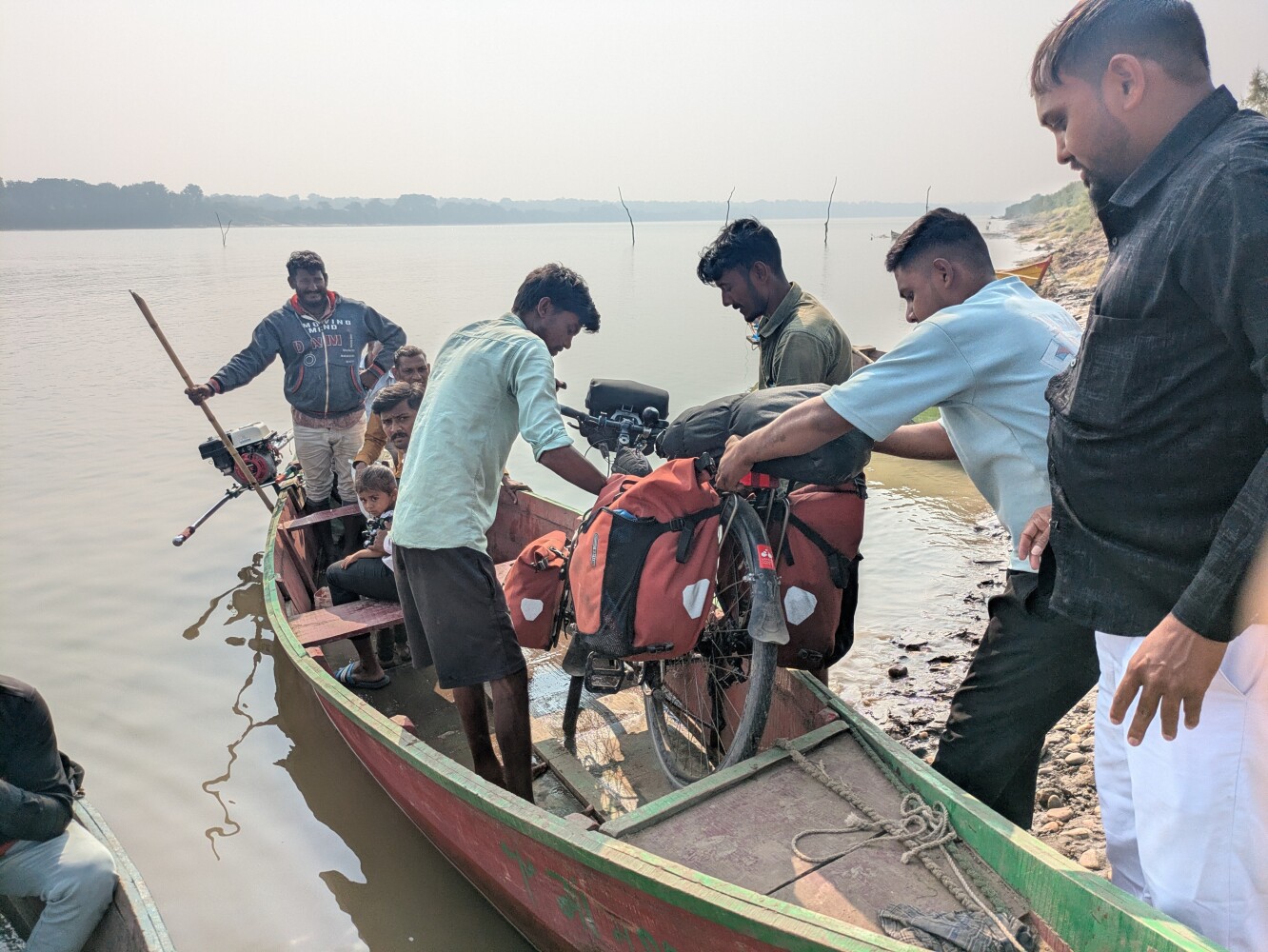
The boat was slightly imbalanced with the weight of the bike leaning on one side, and I spent the crossing alternating between worry and incredulity. How had I ended up here, crossing a river in Gujarat with my life and worldly possessions in a little motorboat? I felt like laughing out loud at the ridiculousness of the situation. We didn’t capsize, of course, and upon reaching the other bank the boatman helped me pull my bike onto the sand. I finally paid my fare, too - the standard price of a hundred rupees, no extra charge for the bike. He got back on his boat and back on the river, and once again I was alone. It had been a whirlwind of a morning, from Narendra’s family to the boat crossing, and I felt quite alien standing on the riverbank with my bicycle, surrounded by strangers going about their own business.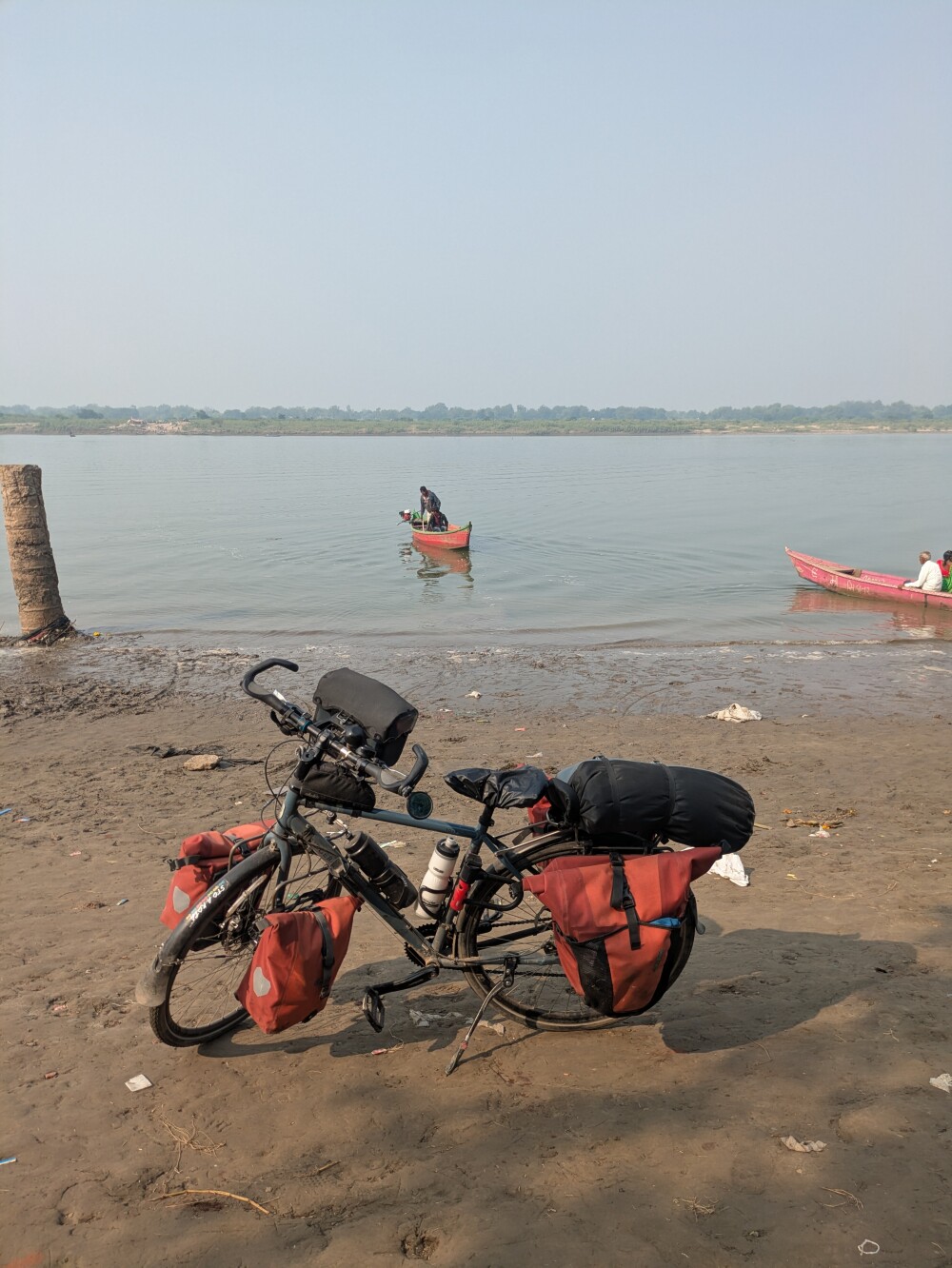
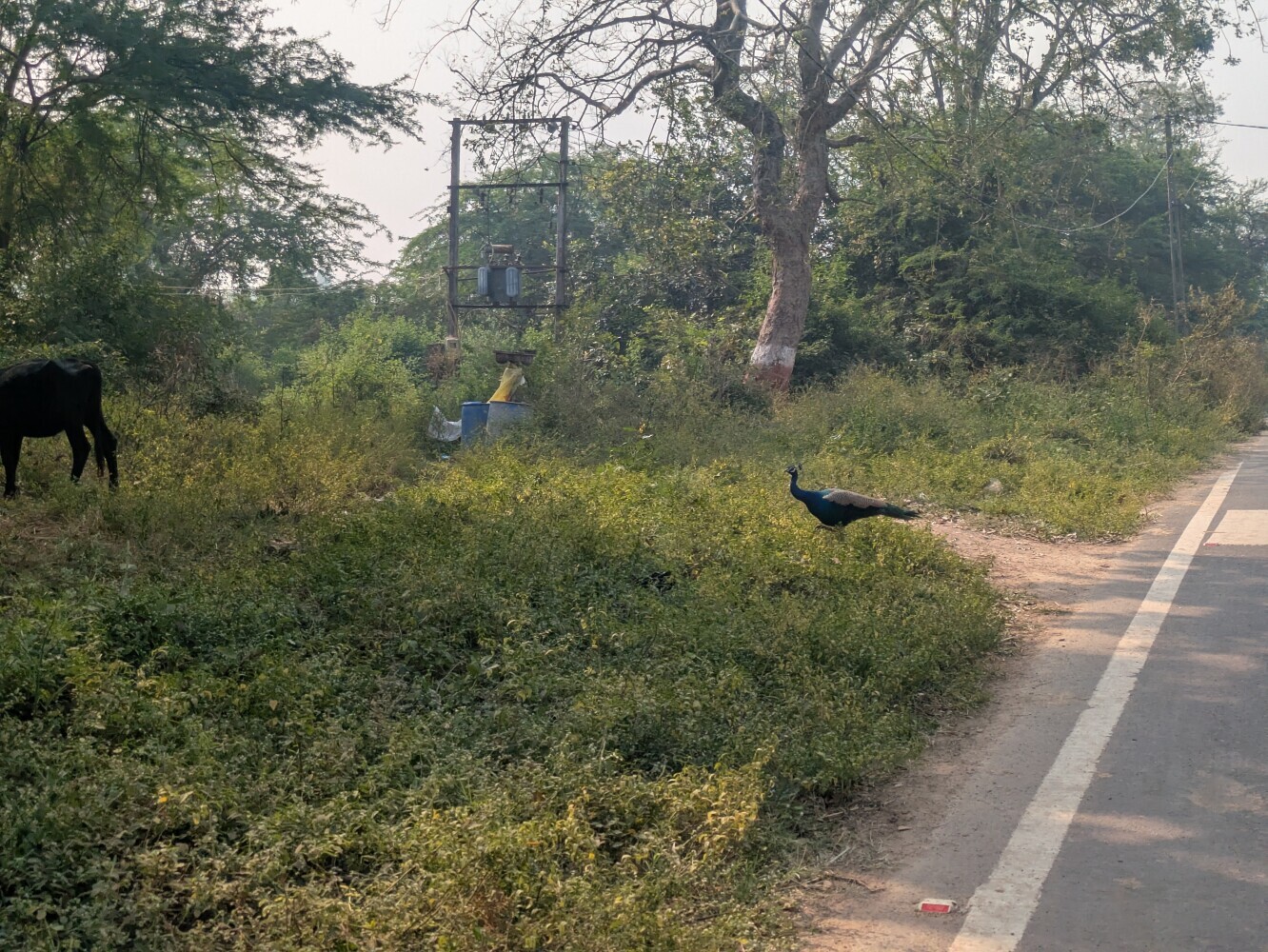
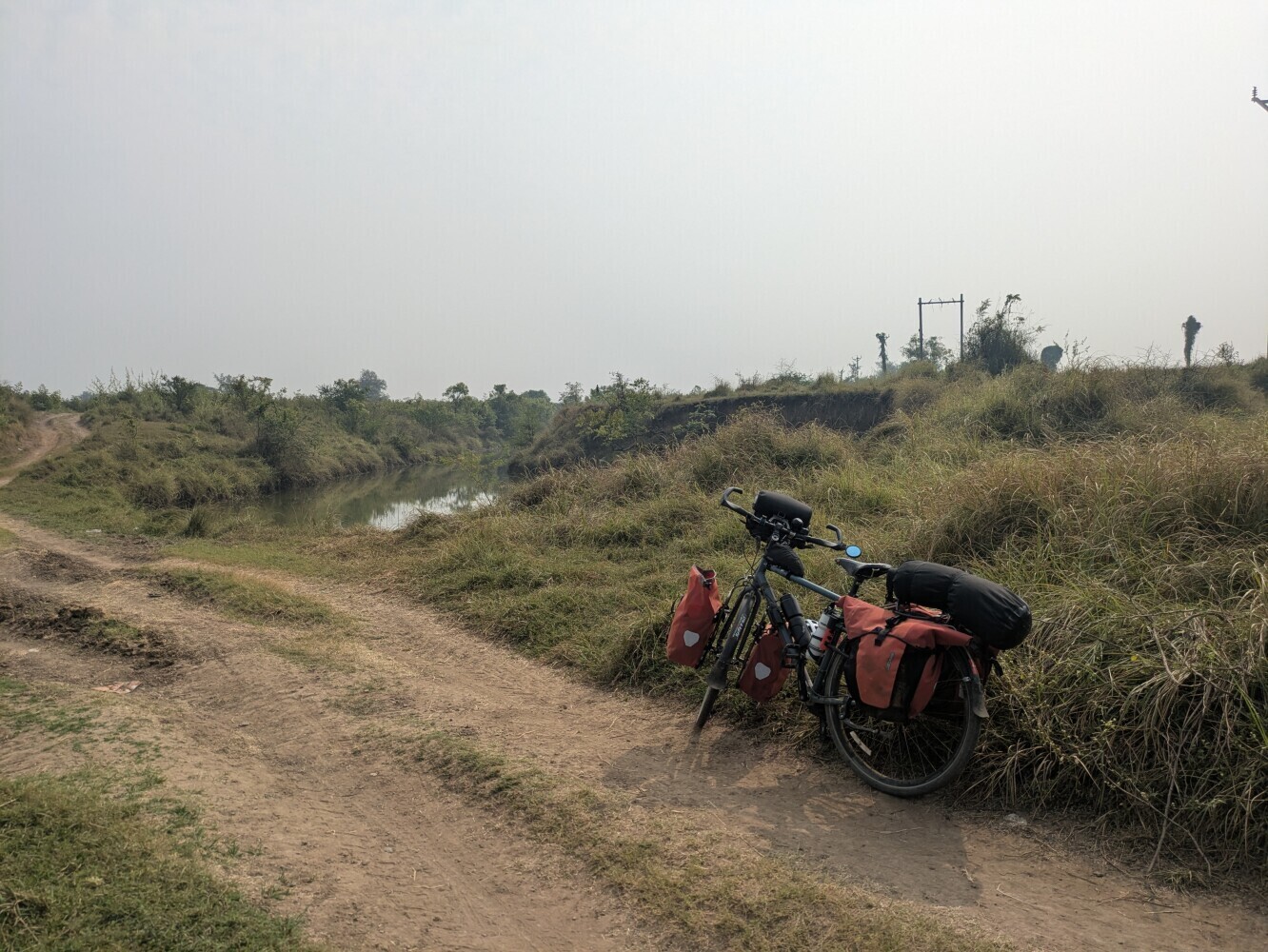
I took my time through the village roads from there to my next ashram, Kareli. I’d been prepared for a much longer day of riding, so I had hours to spare, and I knew that when I arrived I might have to chat with more ashram guys. I’d rather spend time in the peaceful lanes watching the birds first.
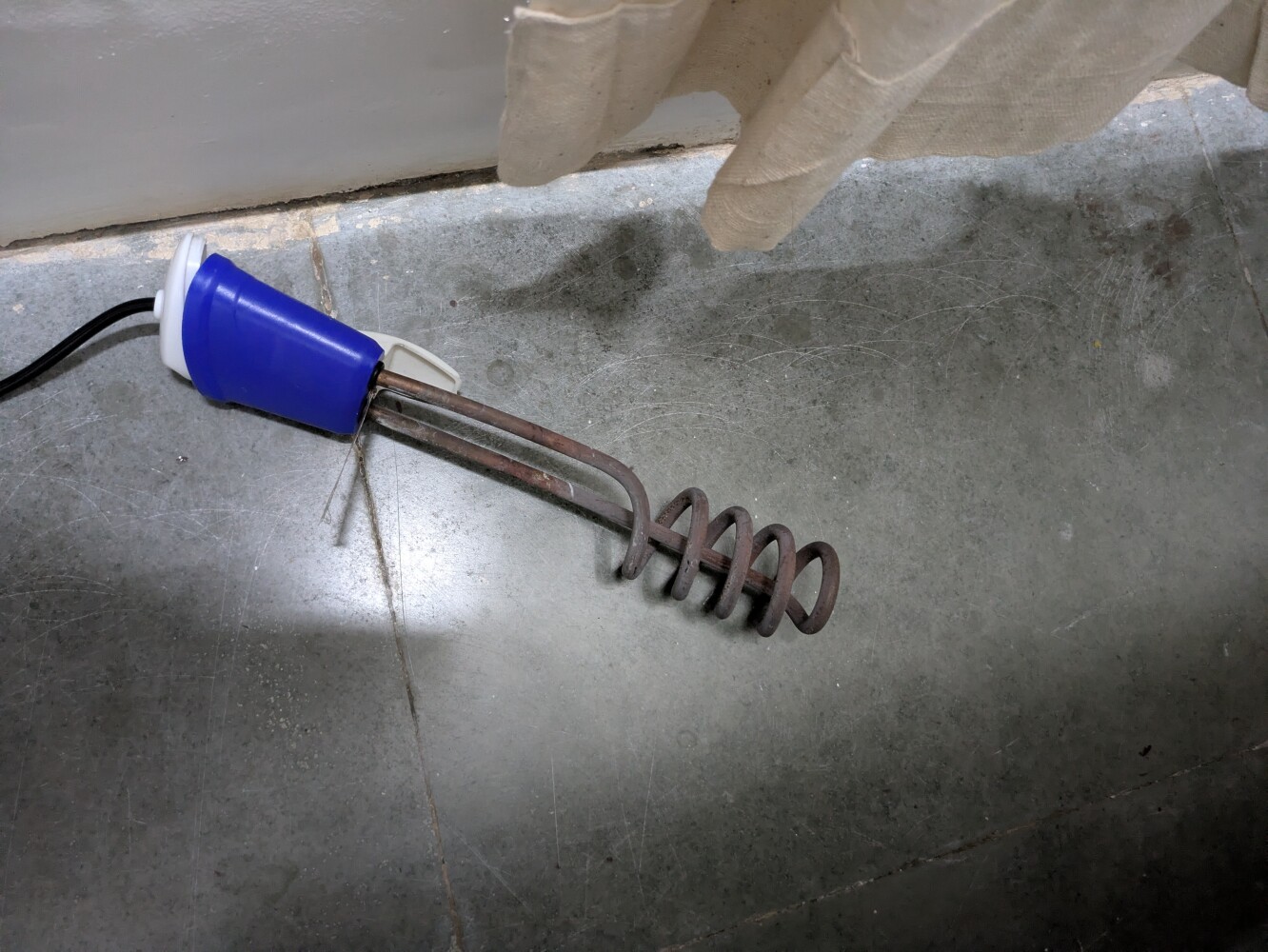
Sure enough, when I reached Kareli ashram I was given the full tour, complete with reading an informational book about the Dandi Path. It felt a lot like a rerun of my previous ashram, Kankapura, just with fewer enthusiastic guys hanging around, and less to explain - they’d already heard about me on their WhatsApp group chat. Like Kankapura, I got a delicious Gujarati dinner, but unlike Kankapura, I also scored some hot water to wash myself with. This came in the form of a bucket with a resistive heater in it, like an oversized kettle heating element. You heat up the bucket of water and, in the classic Indian way, use a small jug to pour it over yourself like a shower.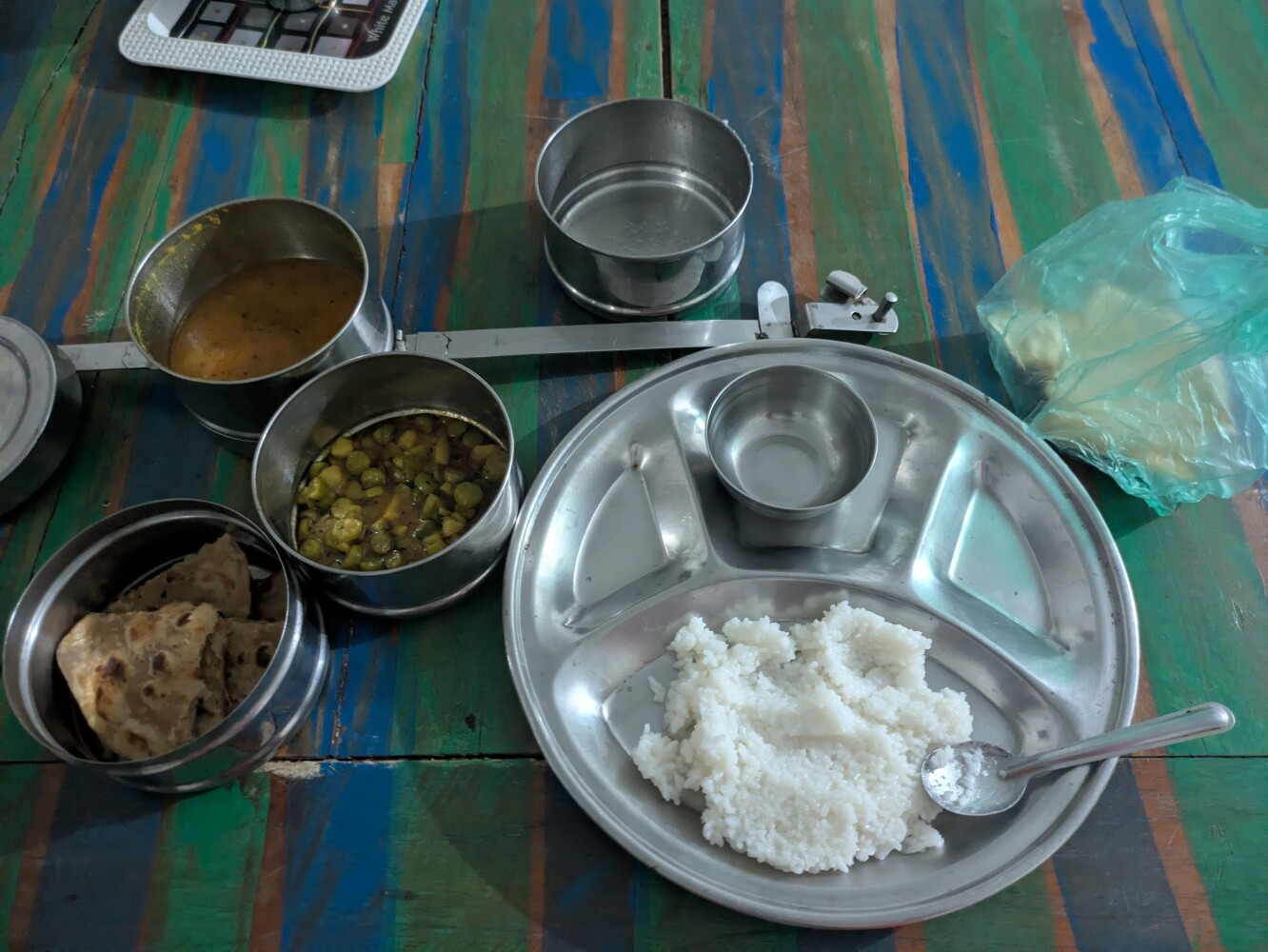
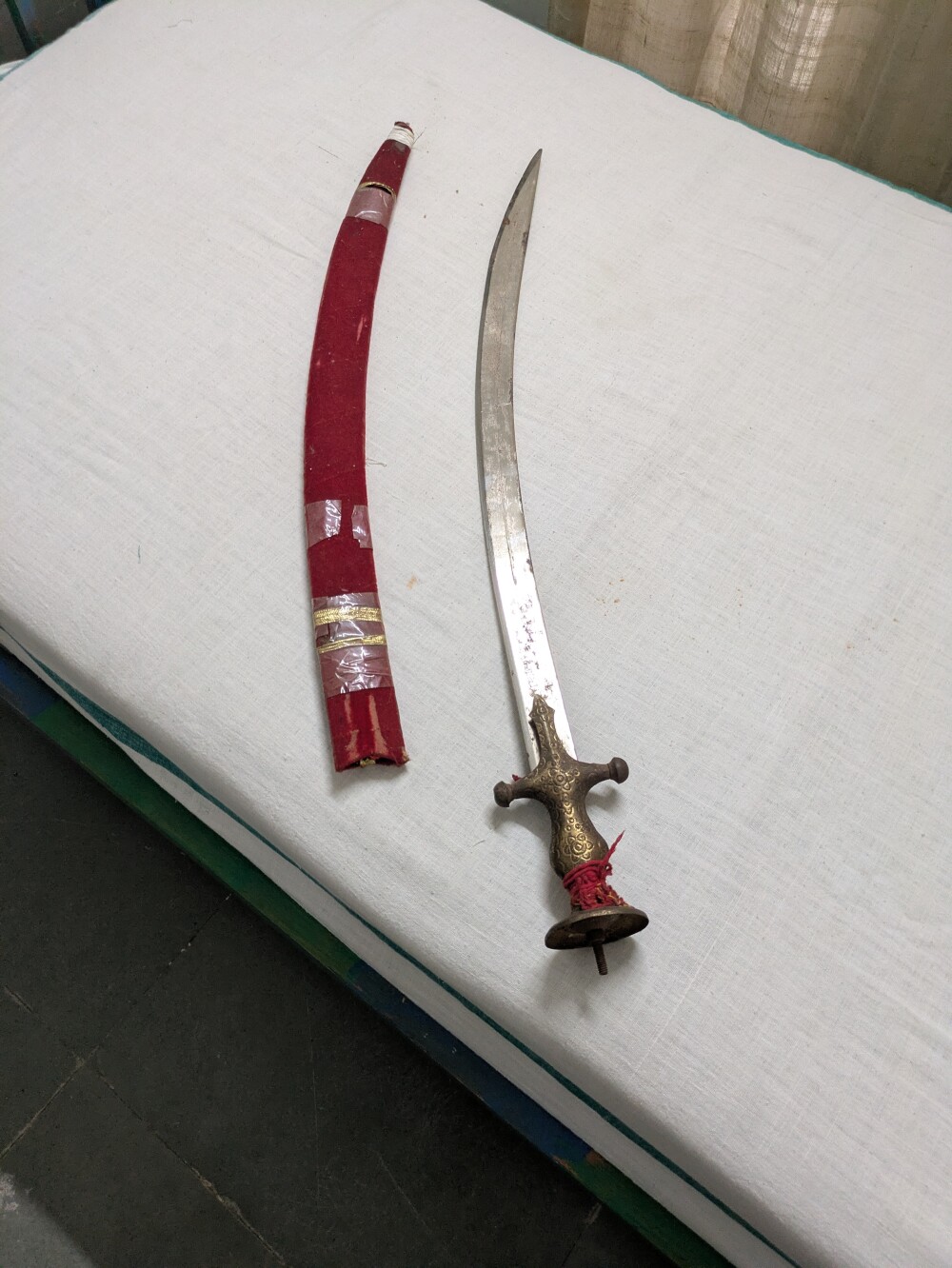
I’d started along the Dandi Path without thinking much about the route itself, just being happy to have a low-traffic way south. Actually taking it and staying in the ashrams, though, I began to feel more of a connection to the history. Ninety-five years ago, thousands of people had marched this route to free themselves from British oppression. A lot has changed since then: the roads are paved now, the ashrams modernised, India freed. Even so, following their route made me feel a connection to the independence struggle in a way I hadn’t felt before.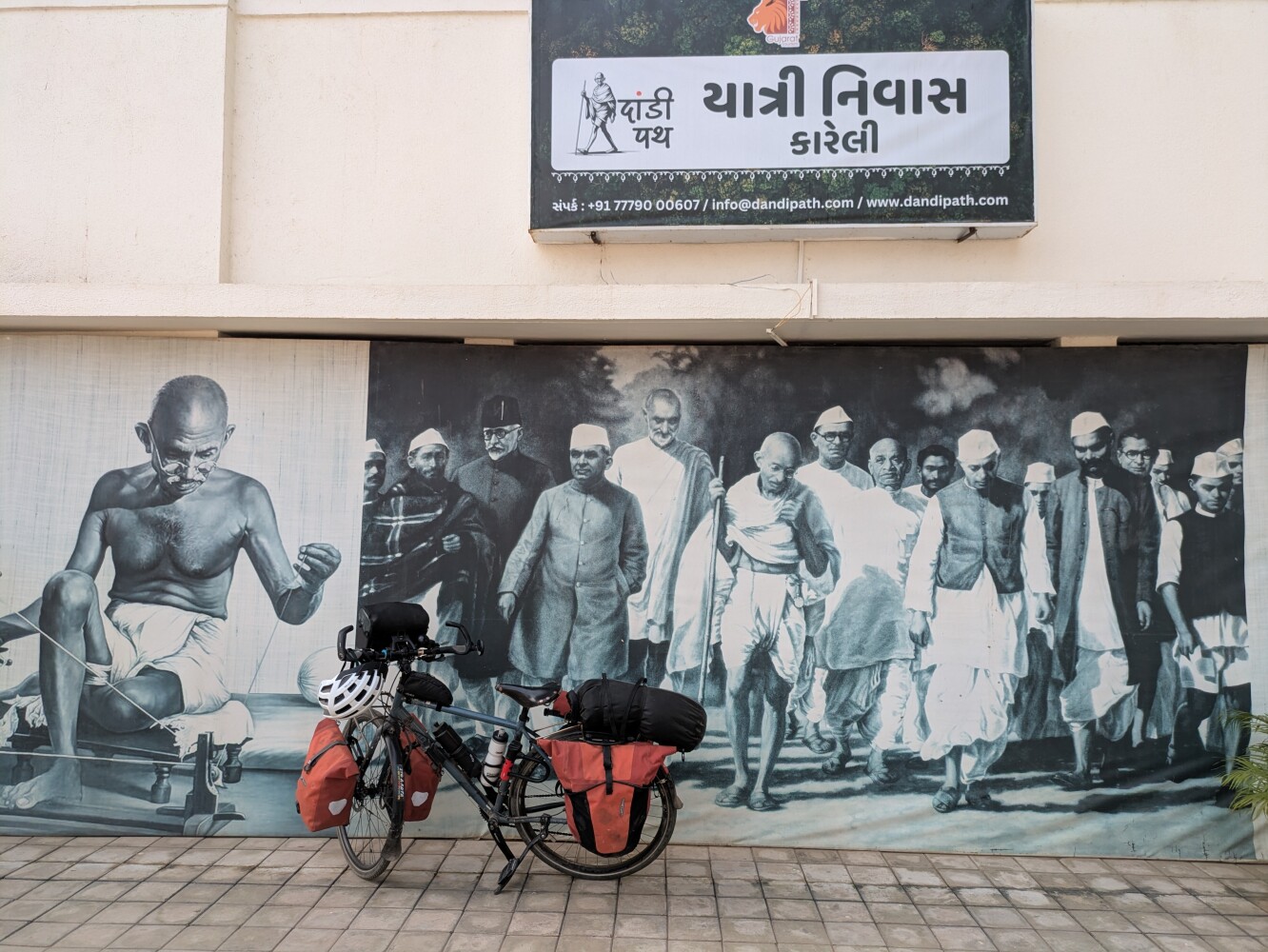
Looking further south along the route, the most obvious places to stop were Bharuch and Surat. The ashrams there were located inconveniently outside the cities, and one of the ashram guys told me it would just make more sense to get myself a hotel instead. I readily agreed, glad to be relieved of the pressure to stay at another ashram with generous but stifling staff. I’d be quite happy to have my own space and a night off from overwhelming hospitality.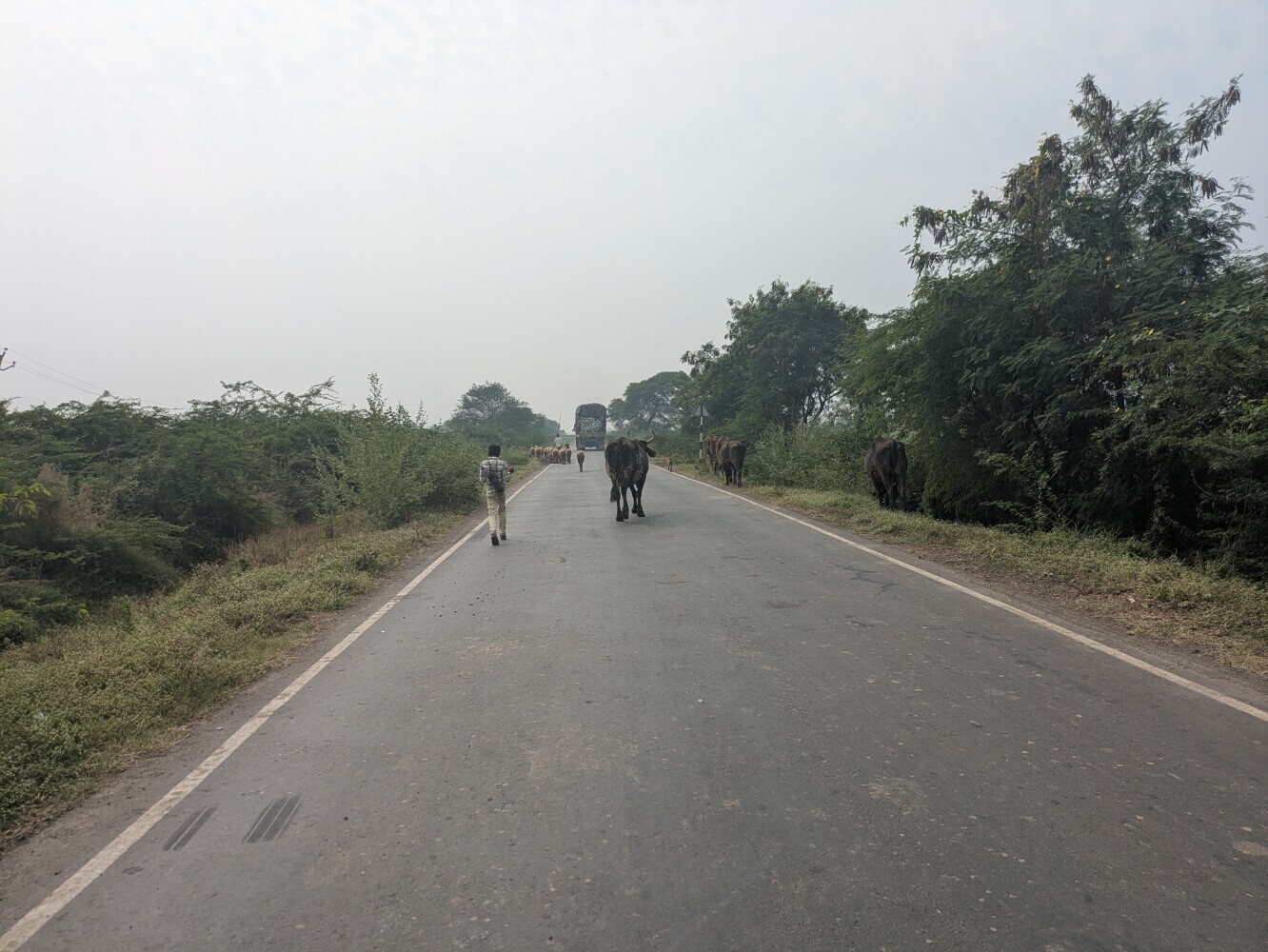
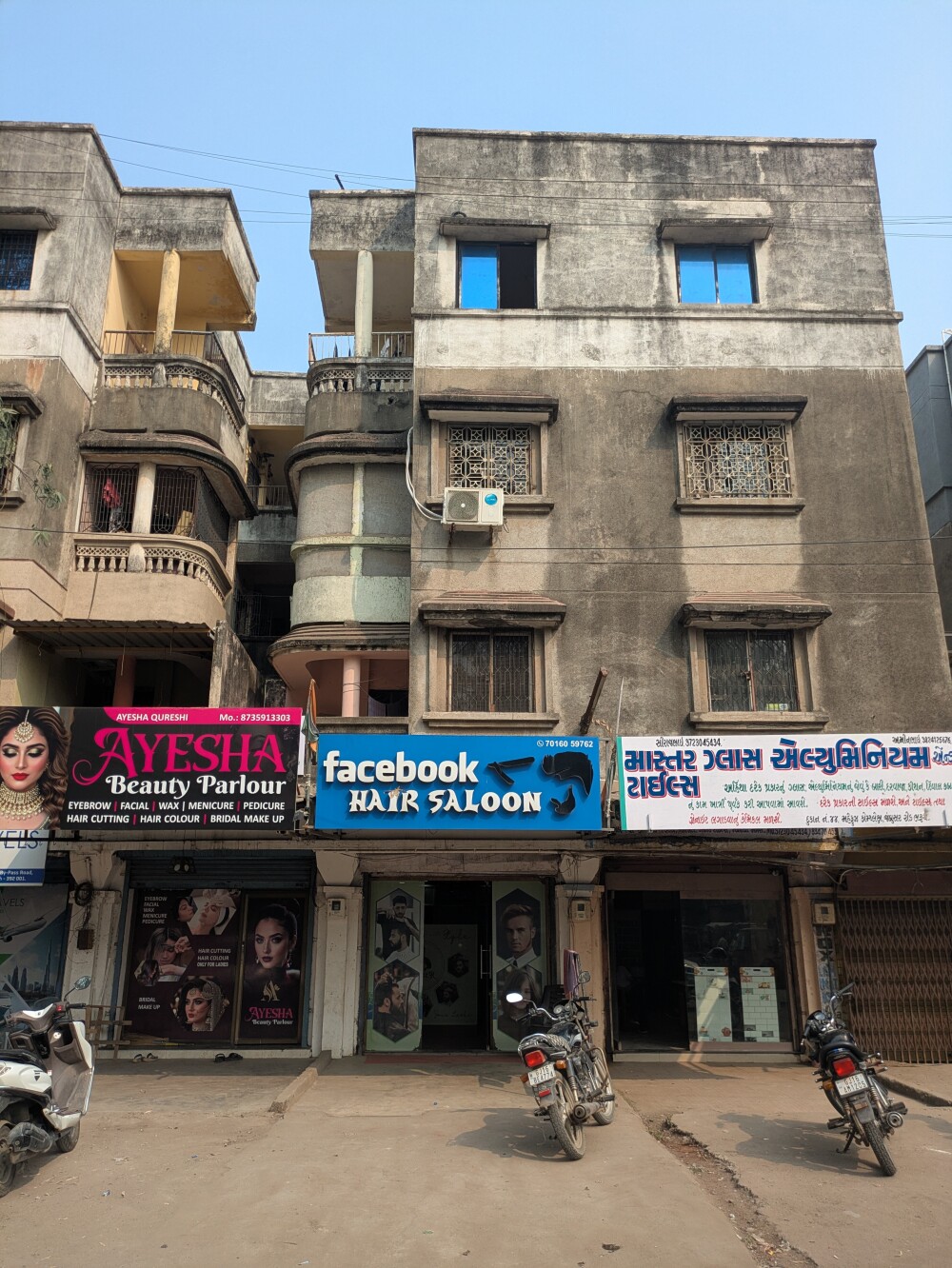
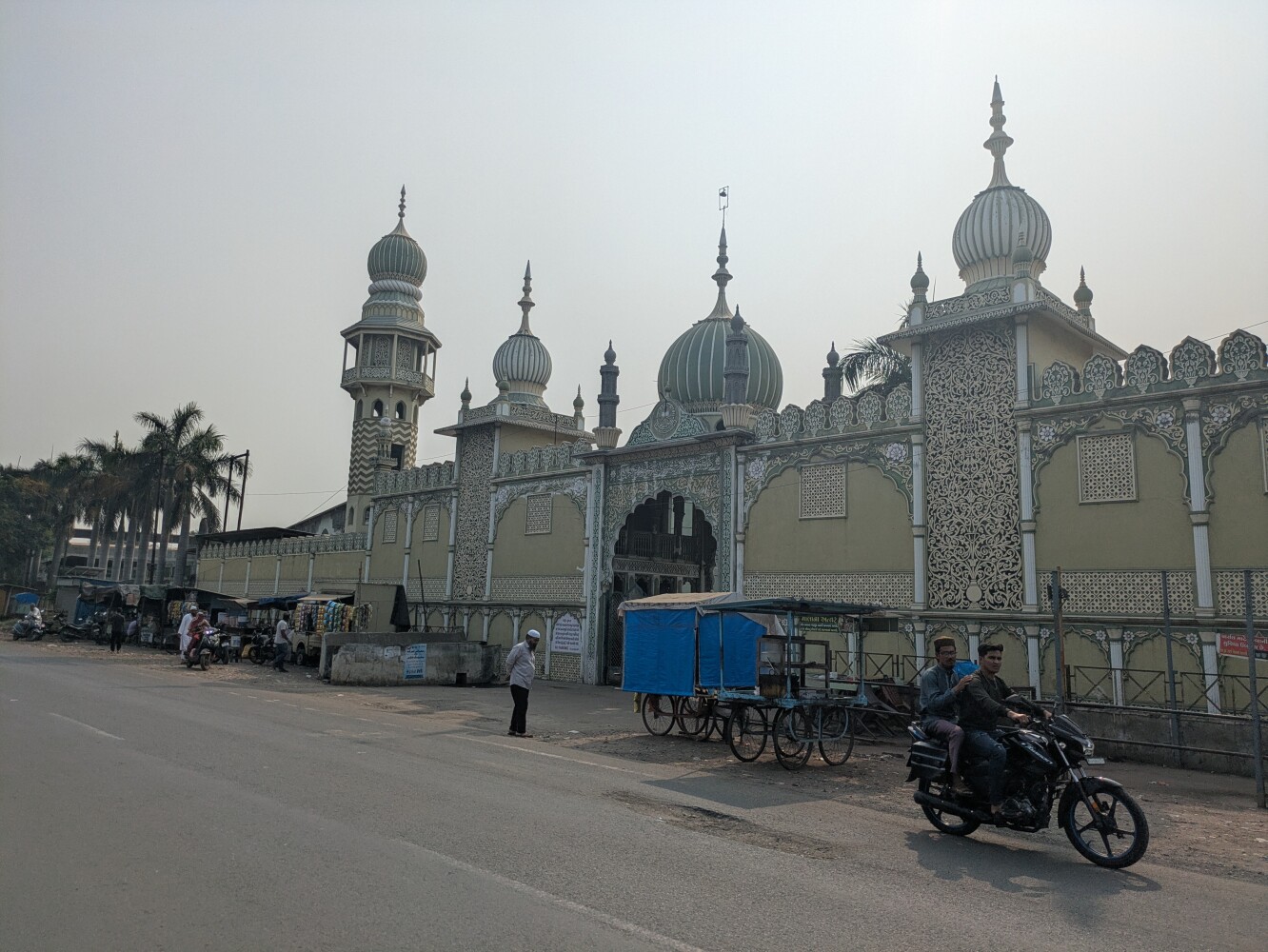
The first thing I noticed about Bharuch was how much meat was available. It seemed like every other food stall was advertising chicken or mutton dishes. This was visibly a very Muslim city with hijabs, big mosques, and Muslim-coded shop names like ‘Al Laziz Amdavadi Tawa Fry’. It was the first city I’d seen that was so proudly Muslim, and I was amazed that it was in Gujarat, the most staunch Hindutva heartland. It was also the most run-down city I’d seen in Gujarat, and I wondered if there might be a connection there with a lack of government investment. Of course, it might also be that the city used to be even more run-down and that its current state is a significant improvement. Regardless, I enjoyed a tasty shawarma for dinner and had a real, warm shower in my quiet hotel room - bliss.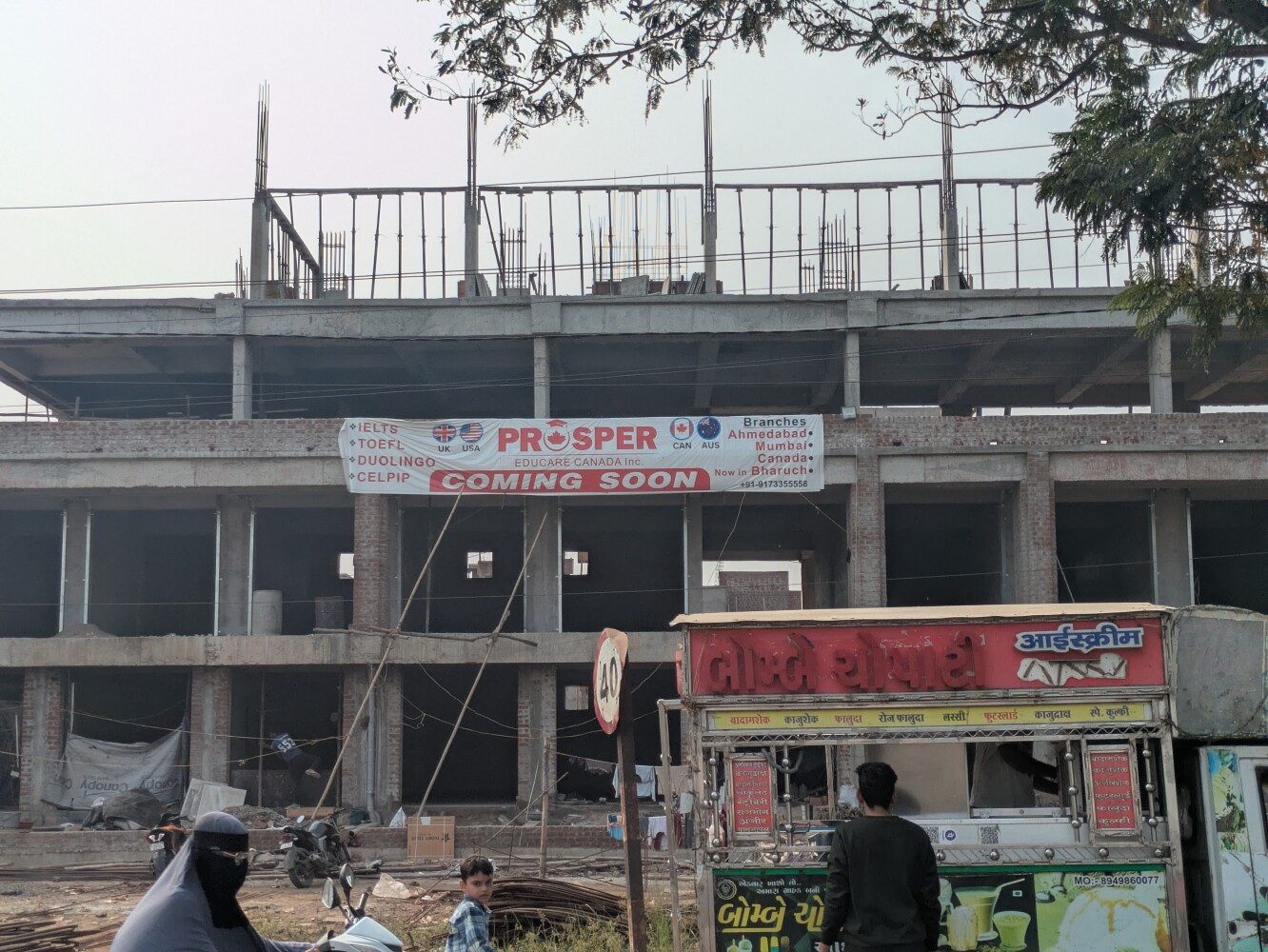
My break from hospitality didn’t last long, though. I reached Surat the next day (after a truly horrific day of cycling down National Highway 48) and got hosted once more. This time, my host was from Couchsurfing - the first time I’ve ever had success using the app. I’d tried it a few times in Italy and never got many replies, so I’d forgotten about it for a while, but I decided to give it another shot in Gujarat since Warmshowers had gone so well.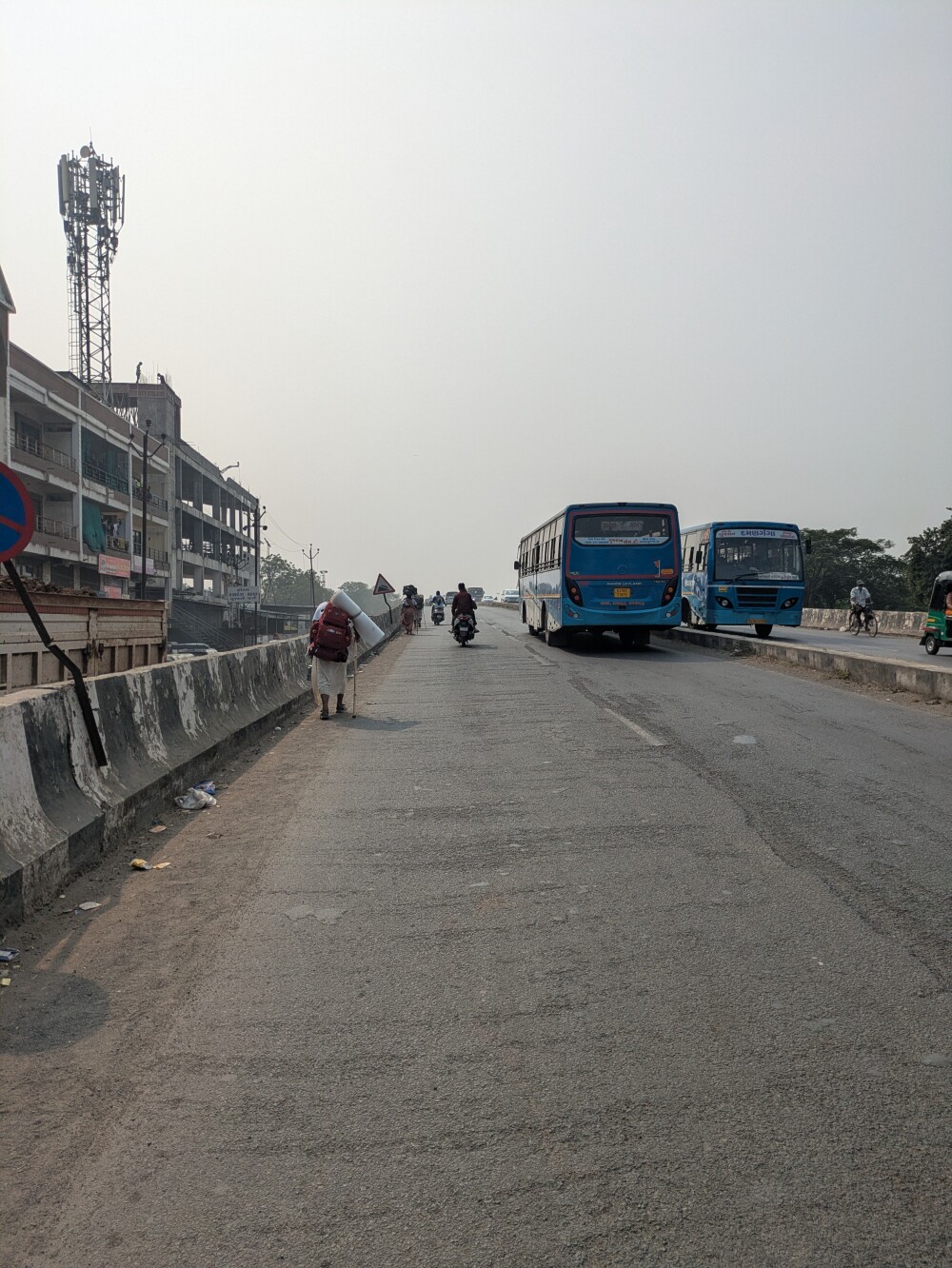
My host, Atik, was incredibly warm. We met at his office (he runs a small business), where I was fed chai and snacks, before driving to his flat. He and his wife, Jahnvi, made me feel entirely comfortable in their home and asked me what I wanted to see, do, and eat in Surat. I hadn’t had any particular plans, frankly expecting Surat to be a pretty boring working Gujarati city. The only plans I had were to visit the Parsi bakery Dotivala and keep cycling south towards the coast. Surat is also home to the largest office building in the world, the Surat Diamond Bourse, but I wasn’t all that hyped to see a big office on the outskirts of town.
Atik was excited to show me around his city, though, and wanted me to try some Surat-specific street food. When I mentioned the Dandi Path, he even offered to drive us to Dandi Beach, something that would save me a big cycling detour. His enthusiasm was infectious, and I agreed to stay another night with him rather than simply leaving the next morning.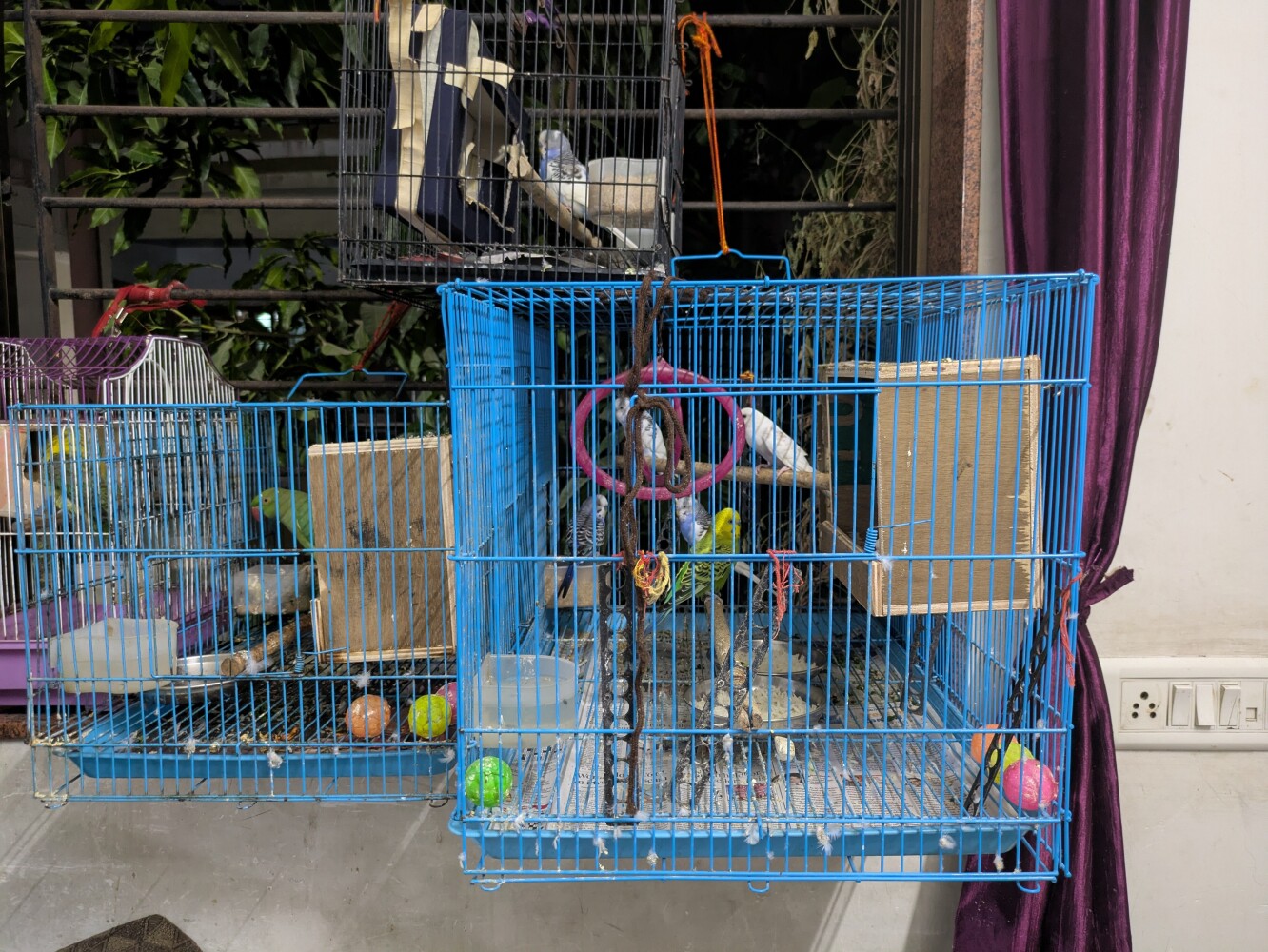
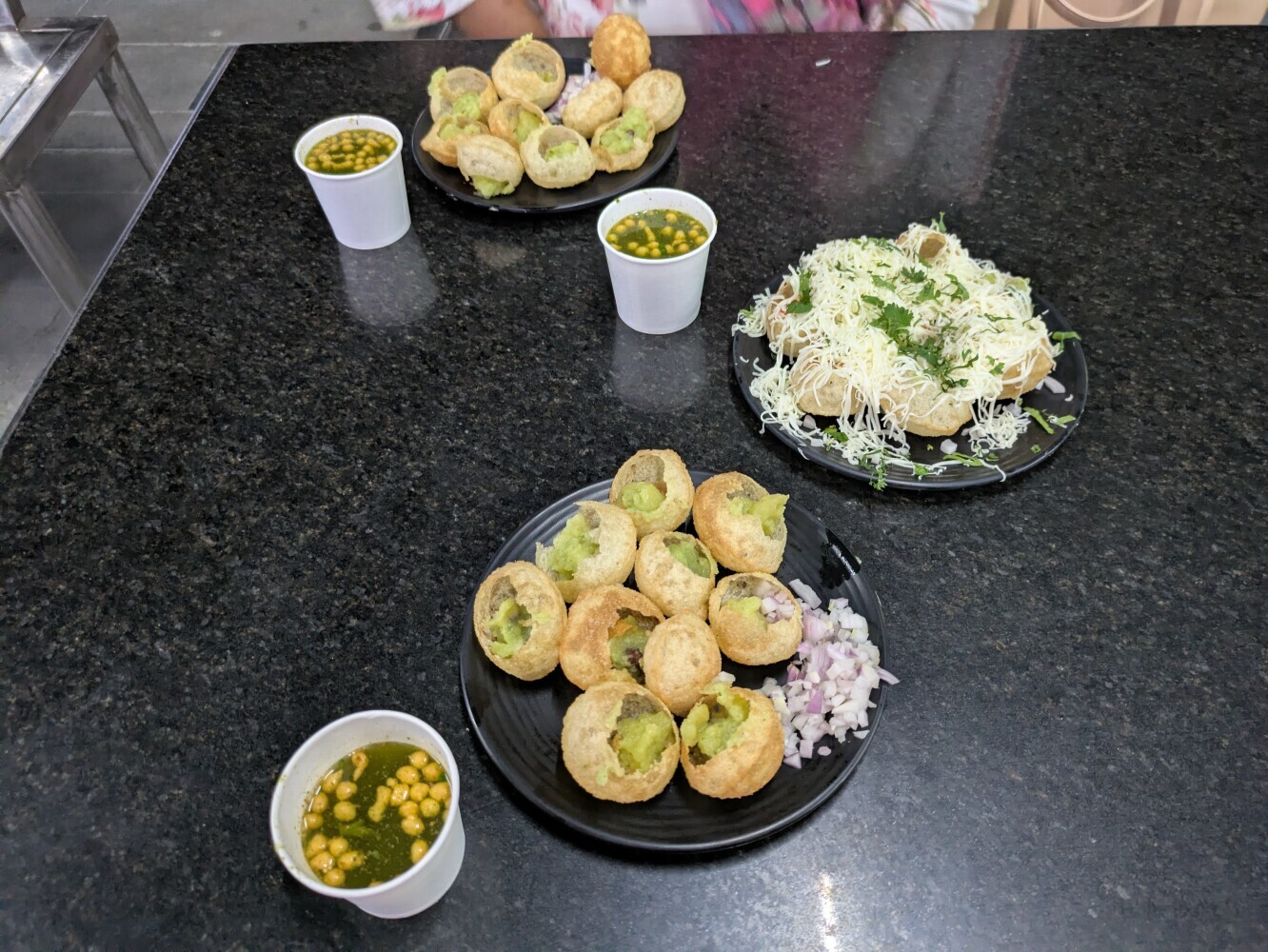
There’s something really special about seeing a city through the eyes of a local who loves it, and I had a good time spending the whole day in Surat. I am normally pretty cautious about uncooked street food, so I love it when I go somewhere vouched for by a local - tastes better when you’re not worried about what it’s going to do to your stomach. Atik had to do some work in the afternoon and I opted to go to a cafe rather than wait in his office again. He seemed a bit confused by this, which I think speaks to a cultural difference. I don’t like having company all the time, and I feel more comfortable when I’m not being offered chai and snacks (and then receiving them anyway despite declining). However, I think he sees that as good hospitality - making sure his guest is looked after and doesn’t want for anything.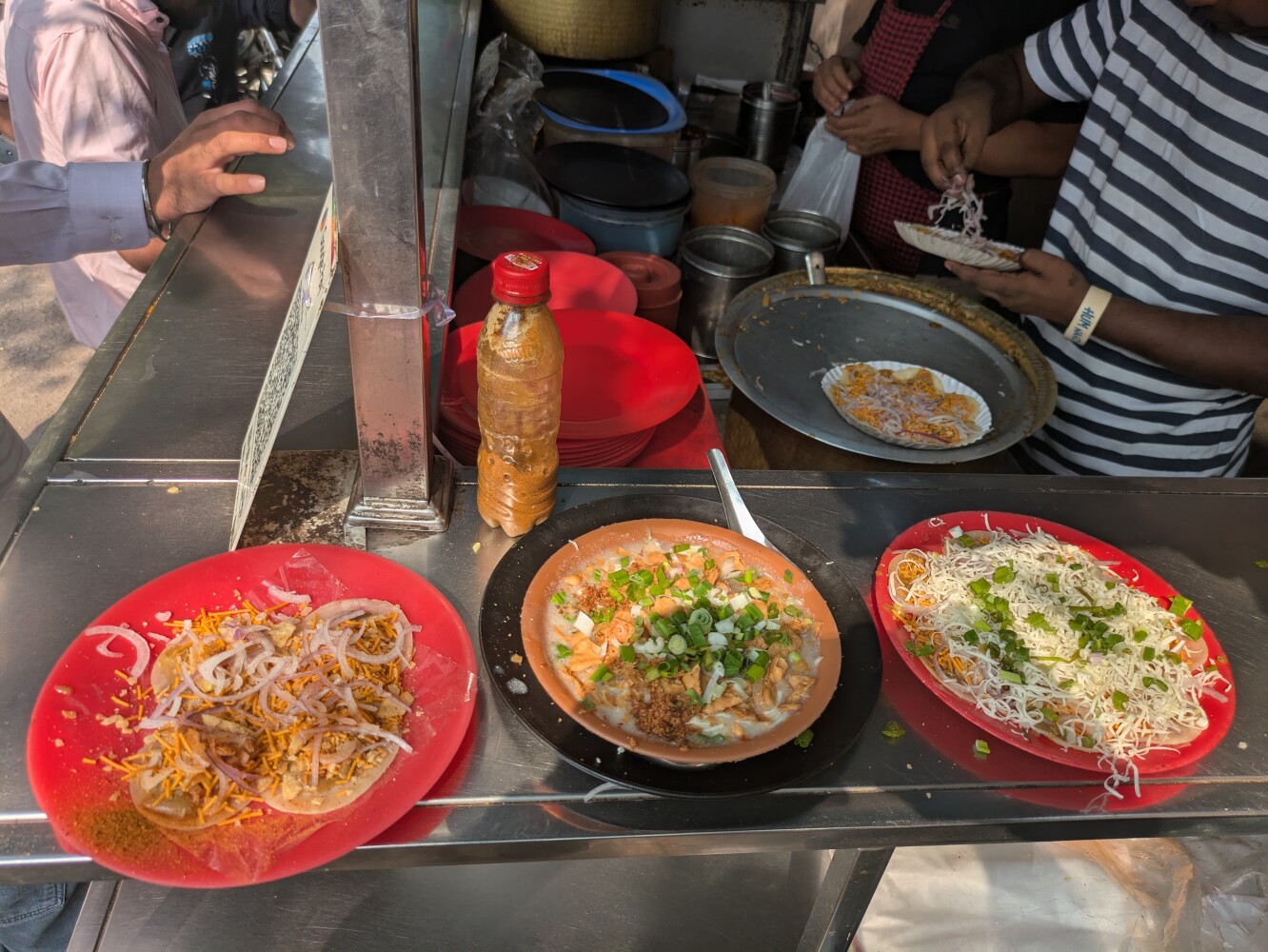
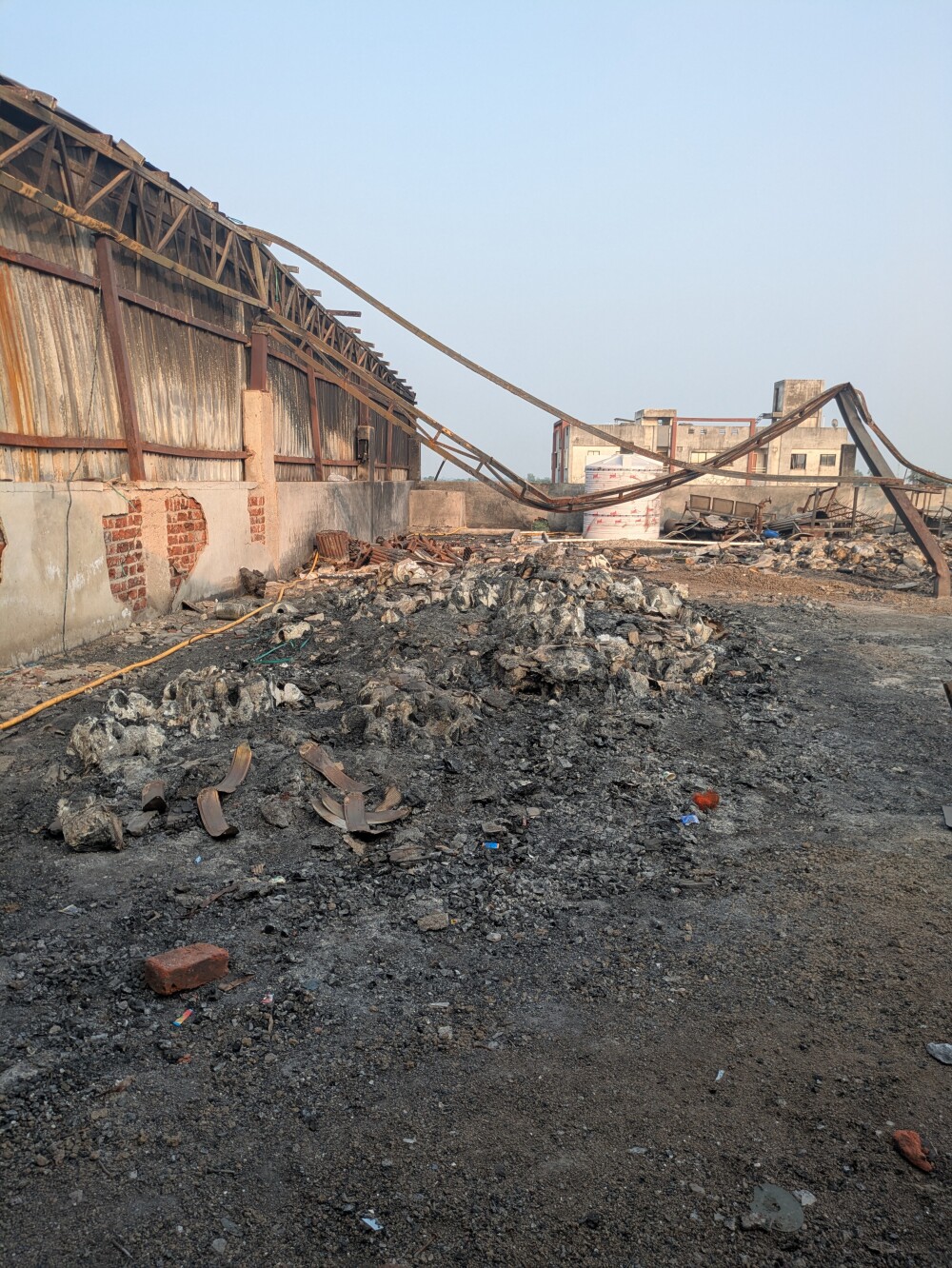
We ended up driving to Dandi Beach pretty late, since Atik had some work to do en route. A factory had had a fire, and he was helping them with their insurance claims. Today, someone from the insurance company was coming to the factory, and Atik was going to be there too. It was a pretty interesting place to tag along to: three floors of loud, whirring machinery and the top floor charred and twisted by flame. The factory was dying polyester yarns different colours, and the product might very well be used in the clothes I wear.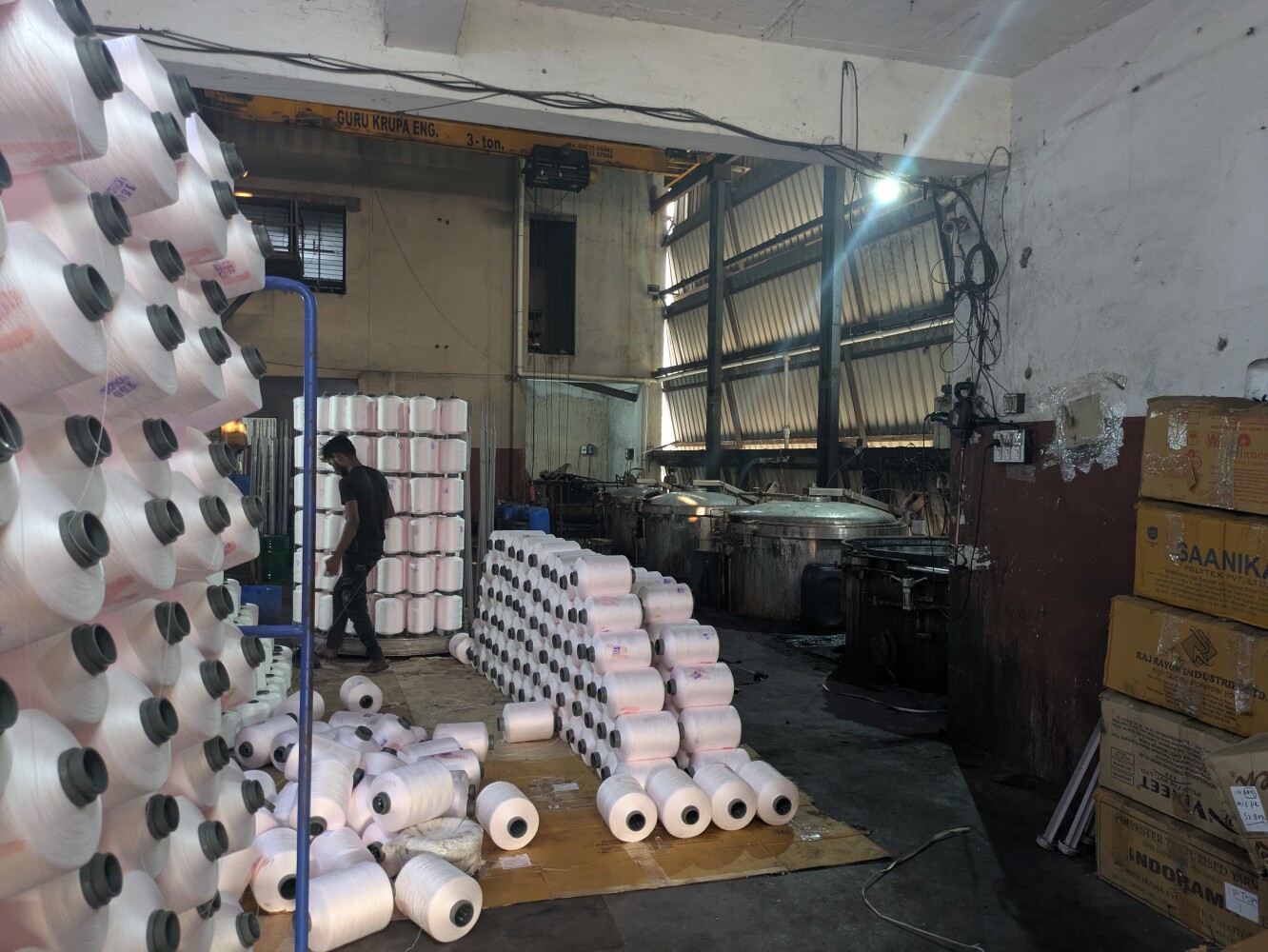
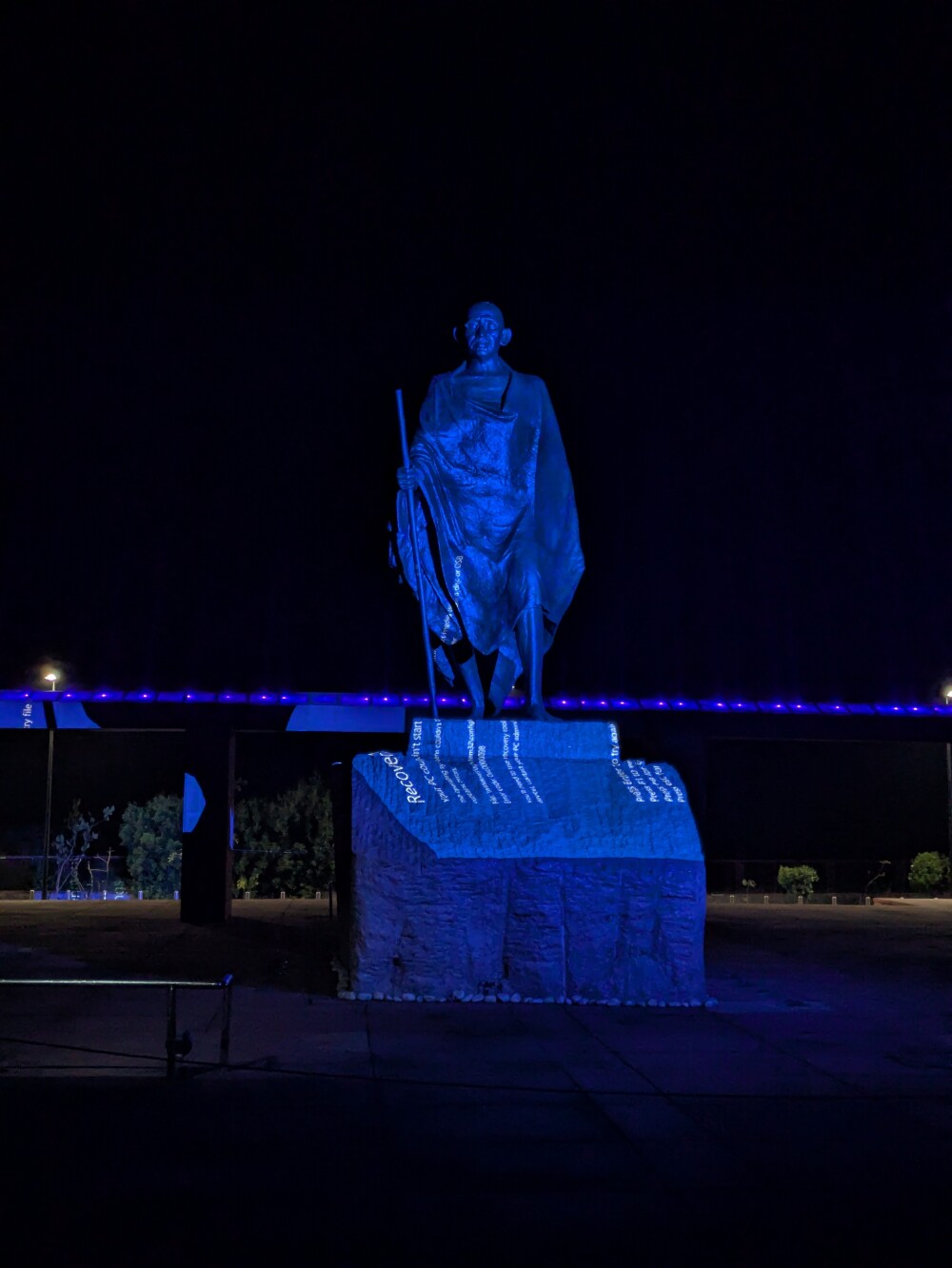
By the time we were done at the factory, it was going to be too late to reach Dandi Beach before sunset. That was a bit annoying - I’d prefer to have got there in the daylight - but I didn’t want to stay another day in Surat just for that, so we went anyway and caught the memorial an hour before closing time. I found it pretty disappointing, to be honest. There were some big set pieces like the sound and light show and various statues and reliefs, but it felt more like it was trying to show off than really commemorate. Then again, I doubt any memorial or museum would make me feel the way I felt when travelling the route myself. Perhaps the beach would’ve been more moving; I would’ve really loved to make my own salt there. Alas, we didn’t go. Maybe next time.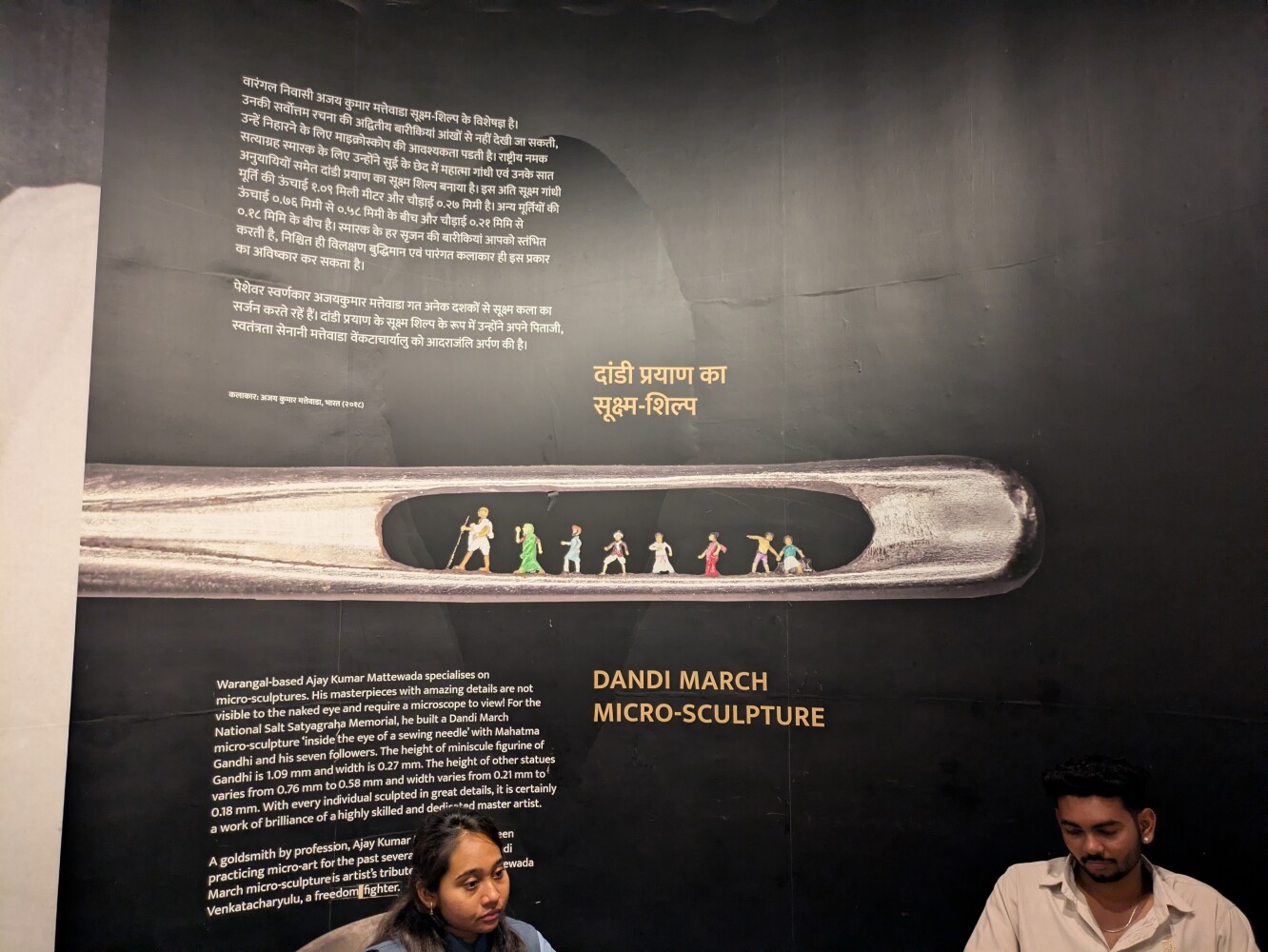
With one more street-food breakfast, I said my goodbyes to Atik and Jahnvi and left Surat late the next morning. Though they had been great hosts, I was really looking forward to being on my own again - something I hadn’t had much of since Anand. In a way, that’s what makes India special: the openness with which people welcome you into their lives and offer you help. I just can’t do it all the time - I need some days to myself, and those are hard to come by when you’re the strange foreigner travelling on a bicycle.
I'd undoubtedly received a lot of hospitality recently, but I found myself craving solitude. I wanted to be somewhere inhospitable, like back in the Highlands or off in the desolate landscapes of Central Asia. I missed feeling autonomous: cooking my own food, making my own camp at the end of the day. Sure, in the Highlands I’d still needed roads and villages and shops, but it had felt like I had more control over my life. In India, everything seems to require talking to someone, and inevitably getting their opinions and well-meaning involvement. Things work differently here, and it can be overwhelming. I’m definitely done being hosted for now.