The Coastal Highway
Surat to Mumbai, 28th November - 2nd December
The ride from Surat to Mumbai would mark the start of a transition in my India cycling. I’d be changing states, leaving Gujarat for Maharashtra, and I’d be reaching the coast, which I’d be following all the way down to the South. I’d also be swapping the greenery and villages for (in my opinion) India’s most exciting metropolis, and I’d definitely be spending some time there - probably a few weeks. I’m definitely a big-city boy and I was looking forward to doing all sorts of things that I enjoy doing in London: going to the theatre, getting rare groceries like real cheese, and simply walking around.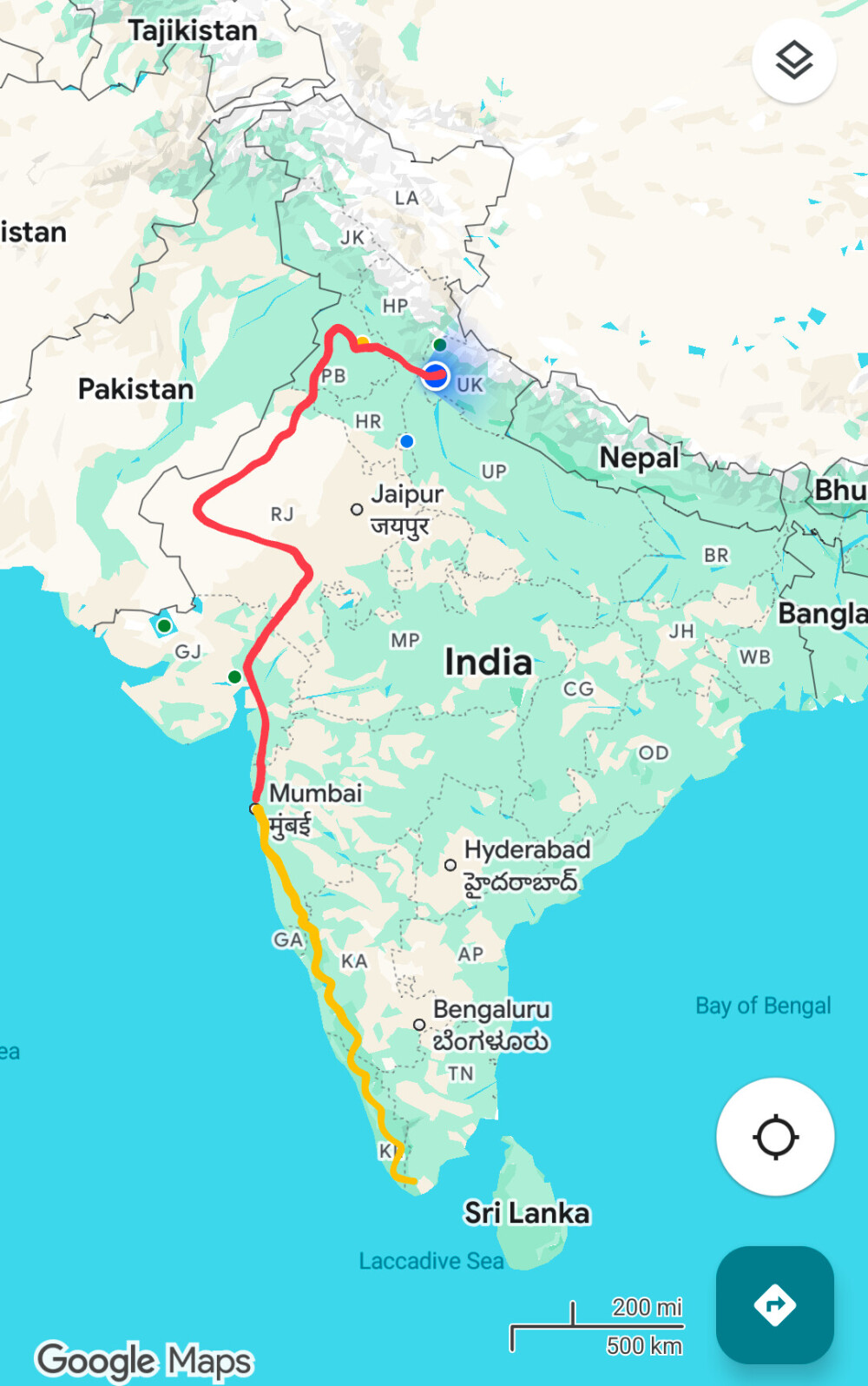
The names ahead of me were familiar: Daman, Umargam, Dahanu. They’d been among my earliest pieces of routing advice for India, given to me months ago on a foggy morning in the the Highlands, planning ahead. Now they were my immediate future, with Daman hardly over a hundred kilometres south. Mumbai, which had seemed impossibly distant when I set off from Dehradun, was now just days away. The feeling of imminent arrival at a major landmark always feels deeply strange, even disconcerting: the distant aim suddenly made realisable and concrete. I felt the same way when approaching Rome back in April with Paul and Clem, and the same still when coming up to Berlin on my first long bike trip.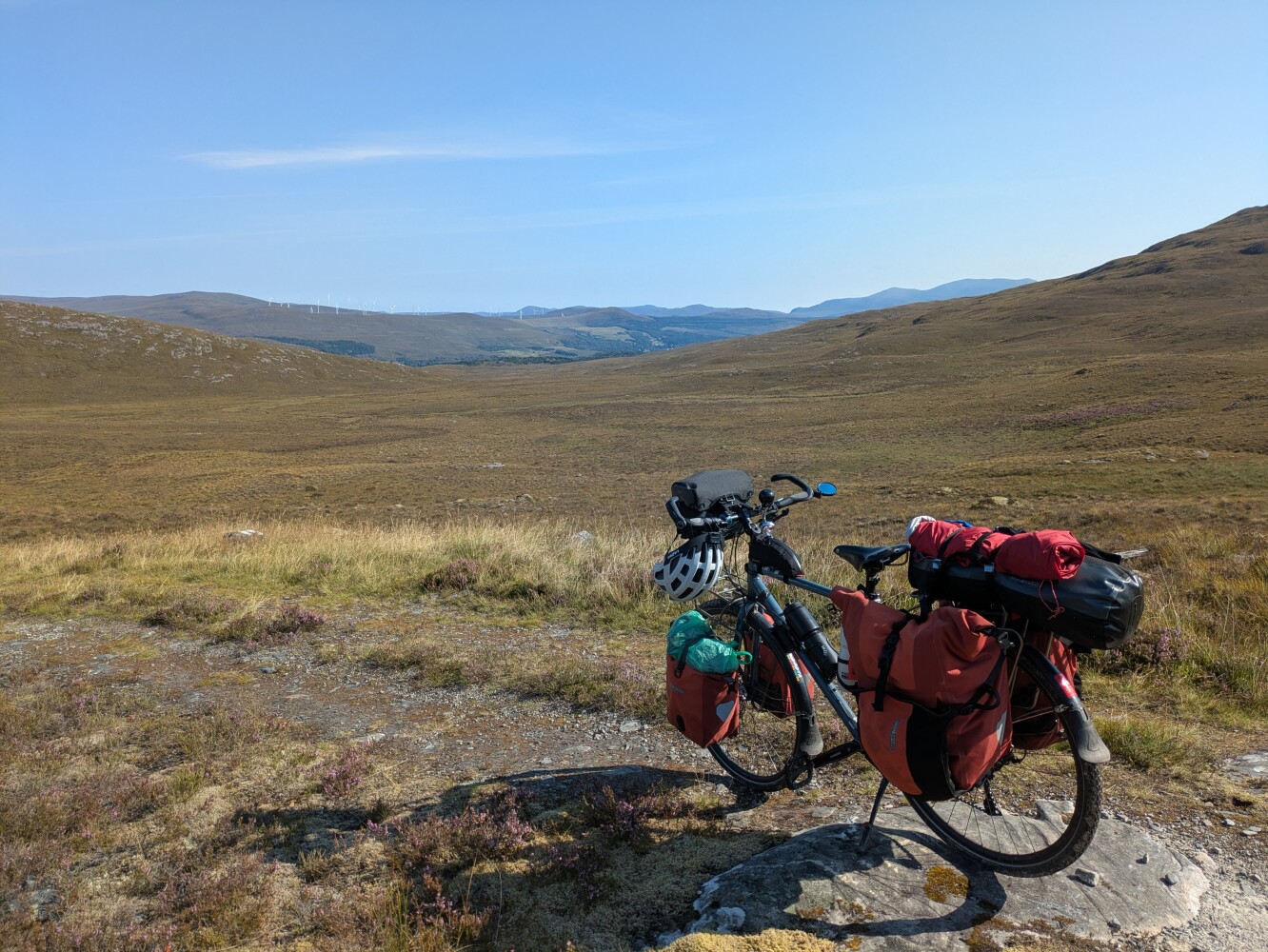
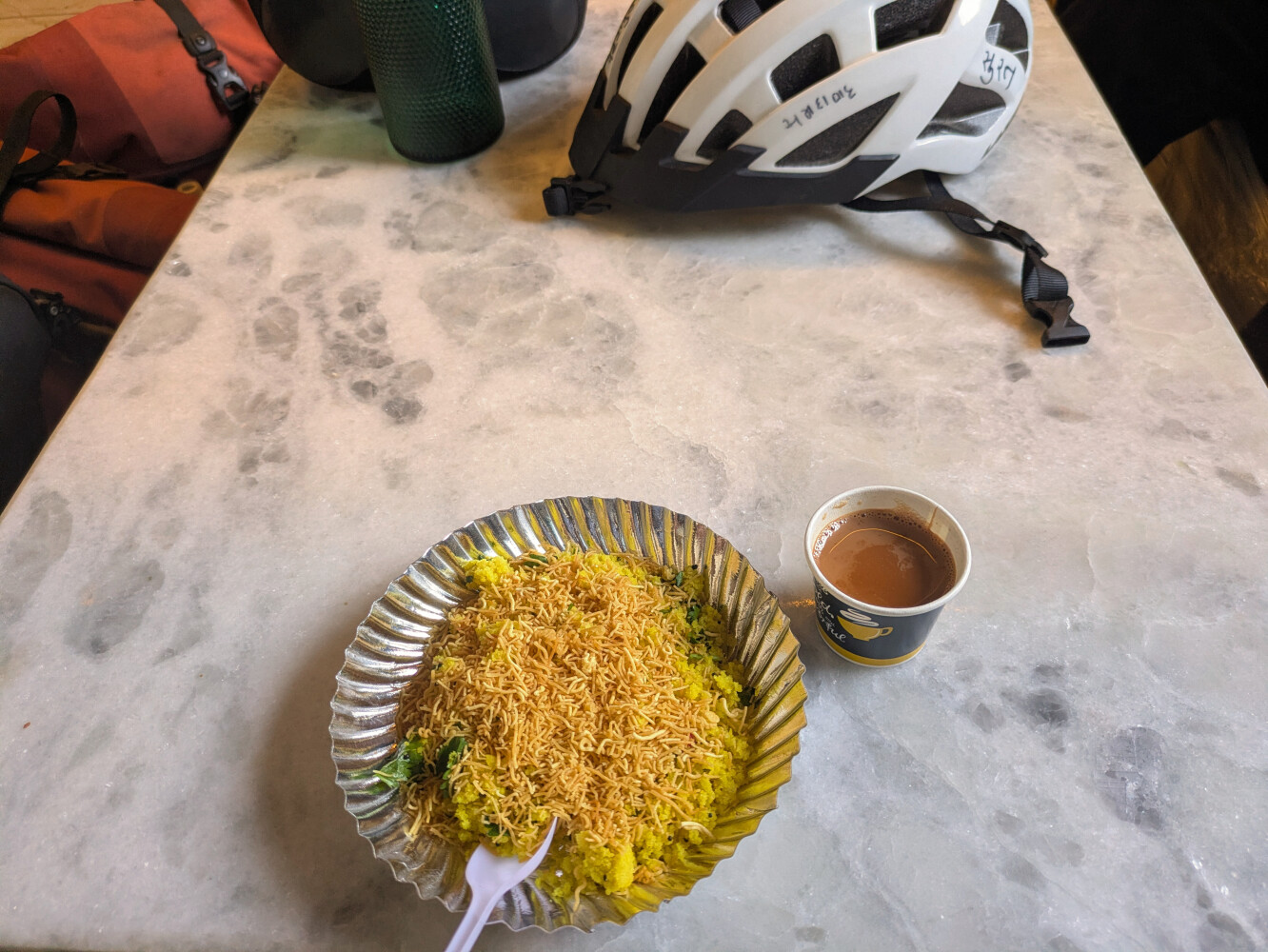
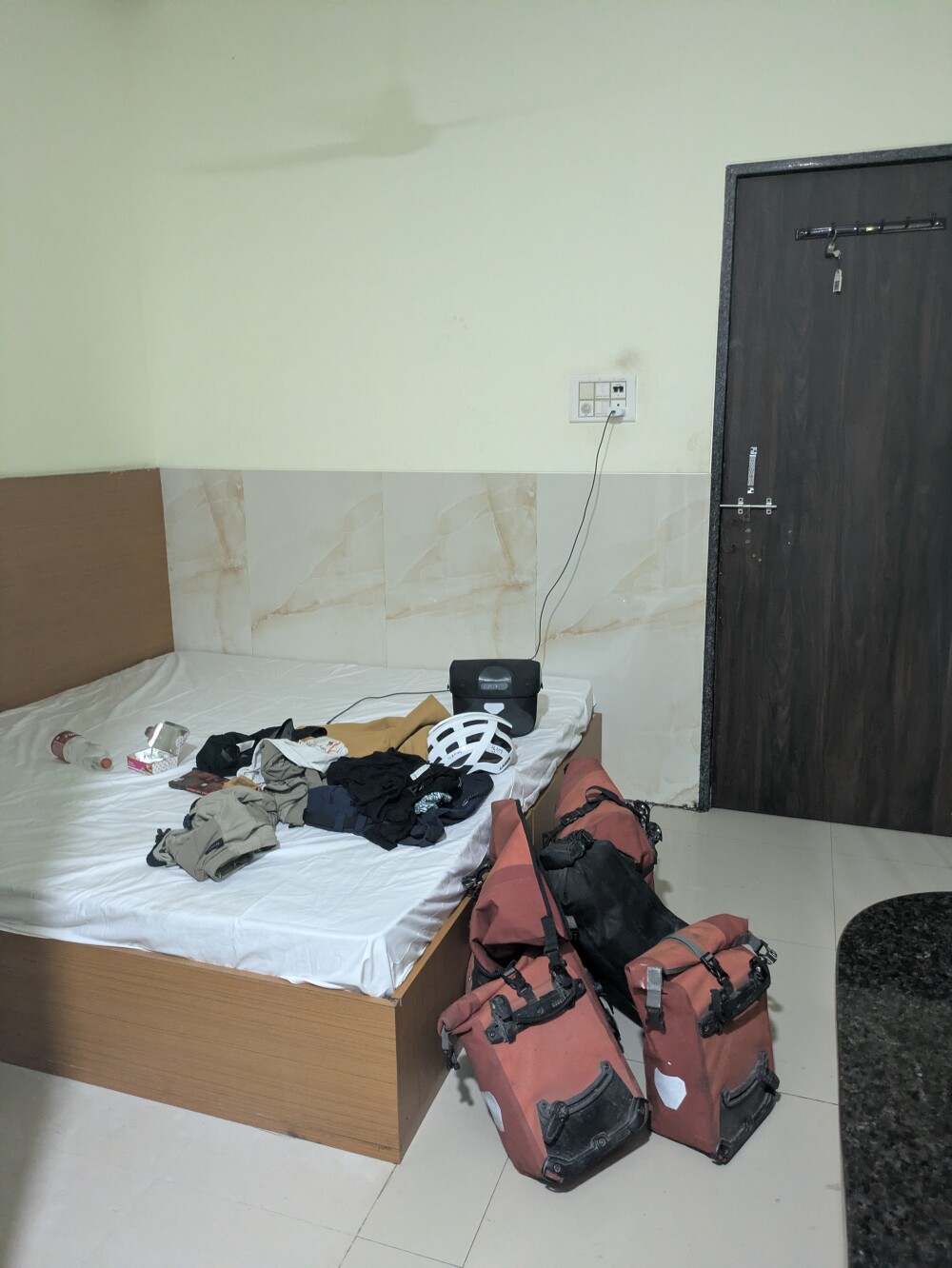
On my way down from Surat to Daman, I made a plan. I’d knock out most of the distance on Friday, then reach Daman early on Saturday and spend the day there - the whole weekend, even. On the way, I stopped in a tiny roadside hotel outside Valsad, enjoying a bit of space to myself to do nothing. The hotel staff were a bit interested in my trip, too, and I was stopped on my way back in from dinner to speak to the manager. I was worried that I might be told that this hotel didn’t accept foreigners, which would really ruin my night, but it was nothing so bad. The manager just wanted to offer me a free breakfast the next day, and a discount on my room in the form of five hundred rupees cash; very much the kind of hospitality I can handle.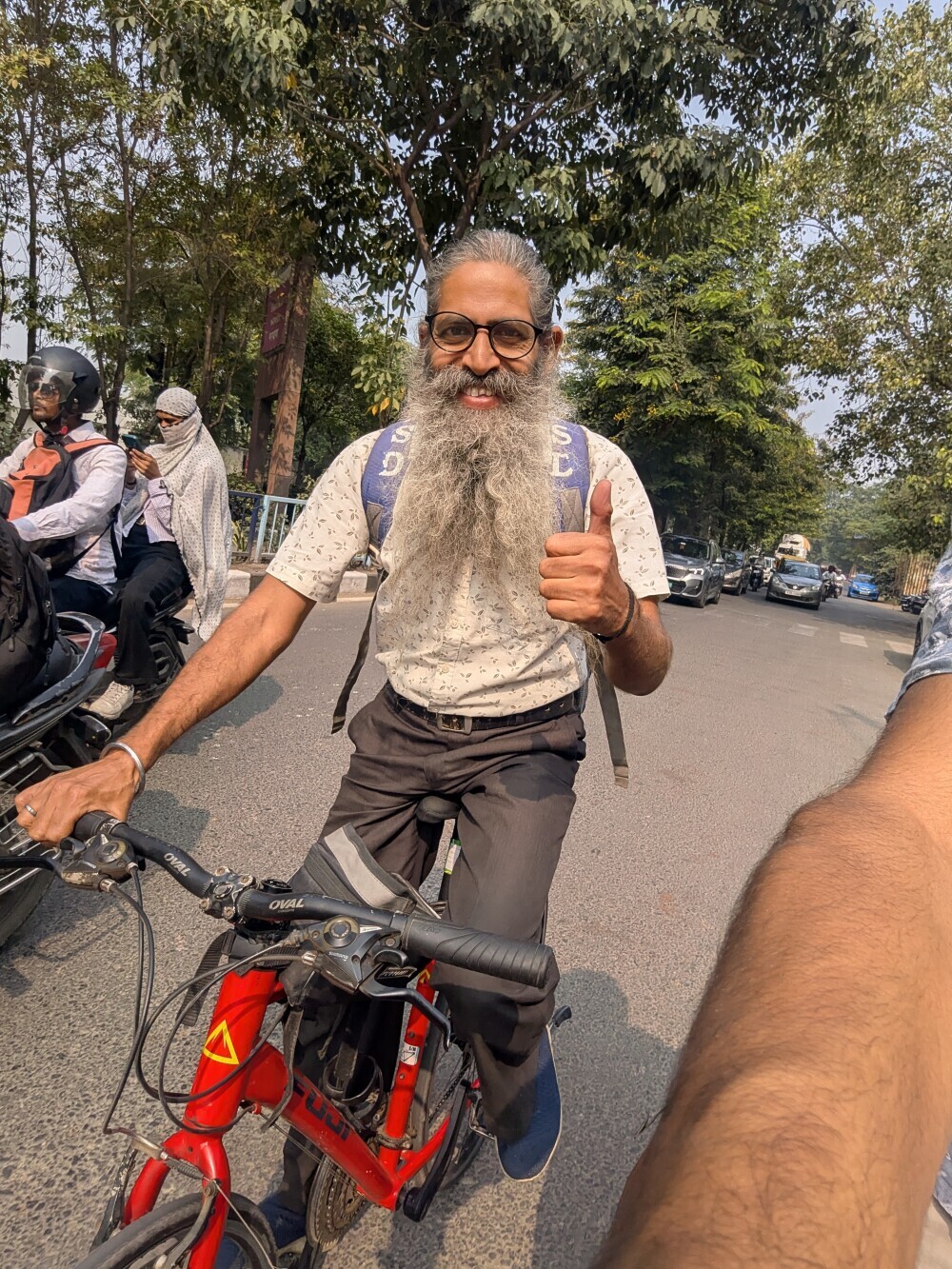
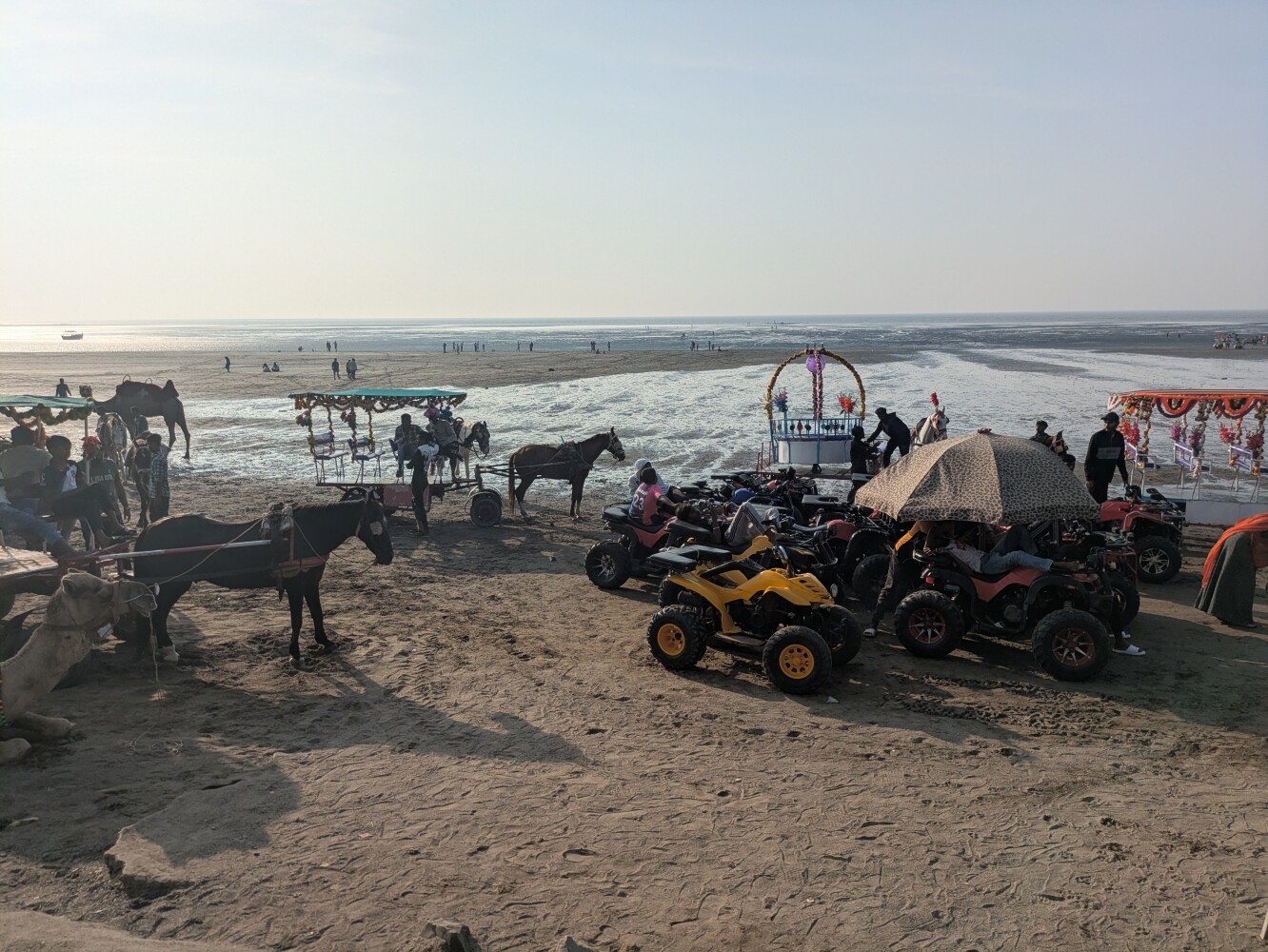
Reaching Daman meant reaching the coast, and finally I got to touch the water - my first beach since arriving in India. Indian beaches tend to be pretty commercial spaces, and the big Jampore beach in Daman was no exception, with horse rides, camel rides, and quad-bikes on the sand. I wasn't a fan, and had a much better time further north where it was a bit quieter. Daman is a small city and my hostel (the only hostel) was right in the centre. Leaving my panniers there, I rode around the city on my bicycle for a change and saw pretty much everything in town. I'd been expecting something much bigger, and it was funny to realise how wrong I'd been. St. Jerome Fort, for example, didn't have any entry fees, or even any staff. You just go through the big gate and walk or climb around inside however you like.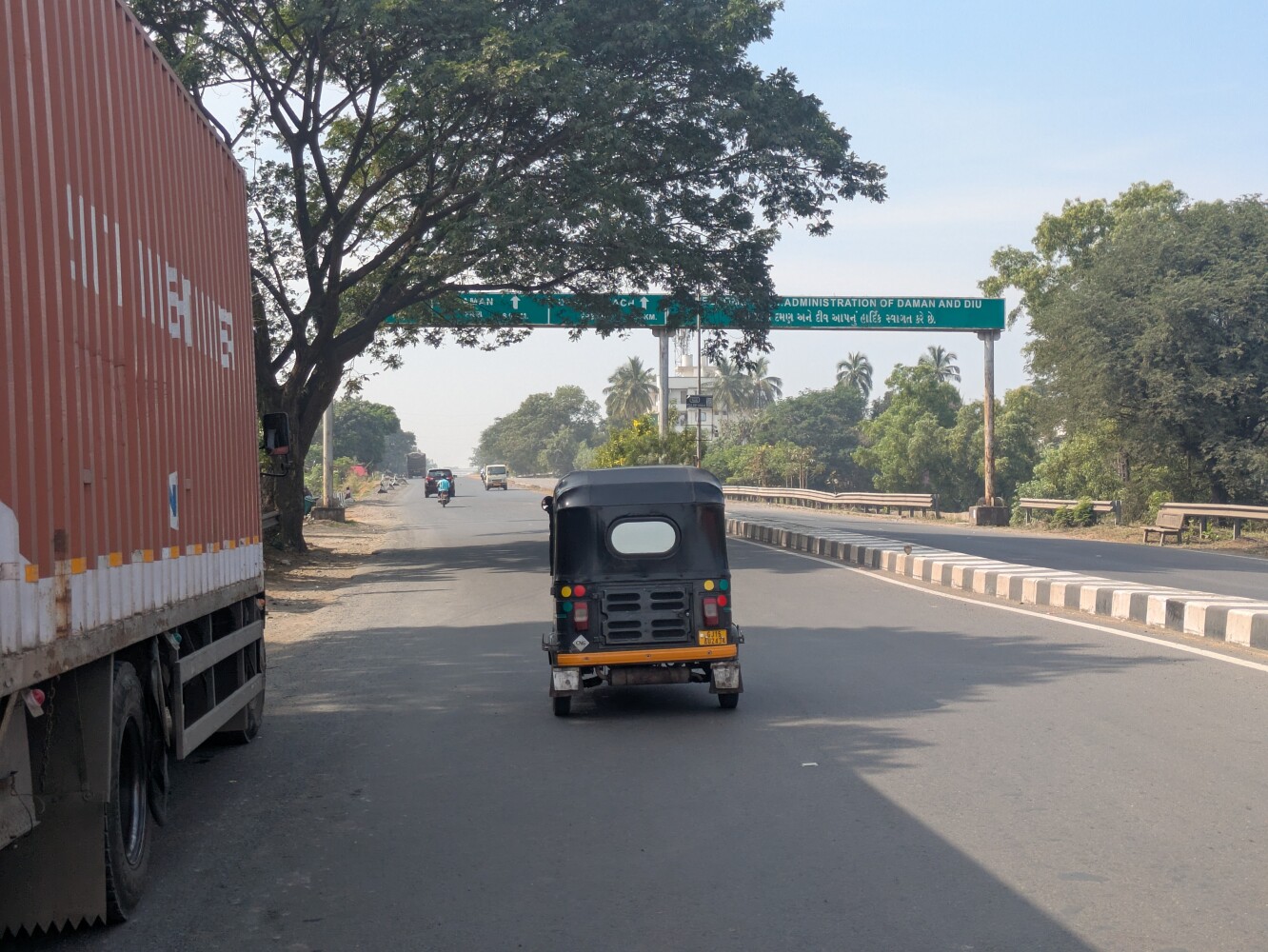
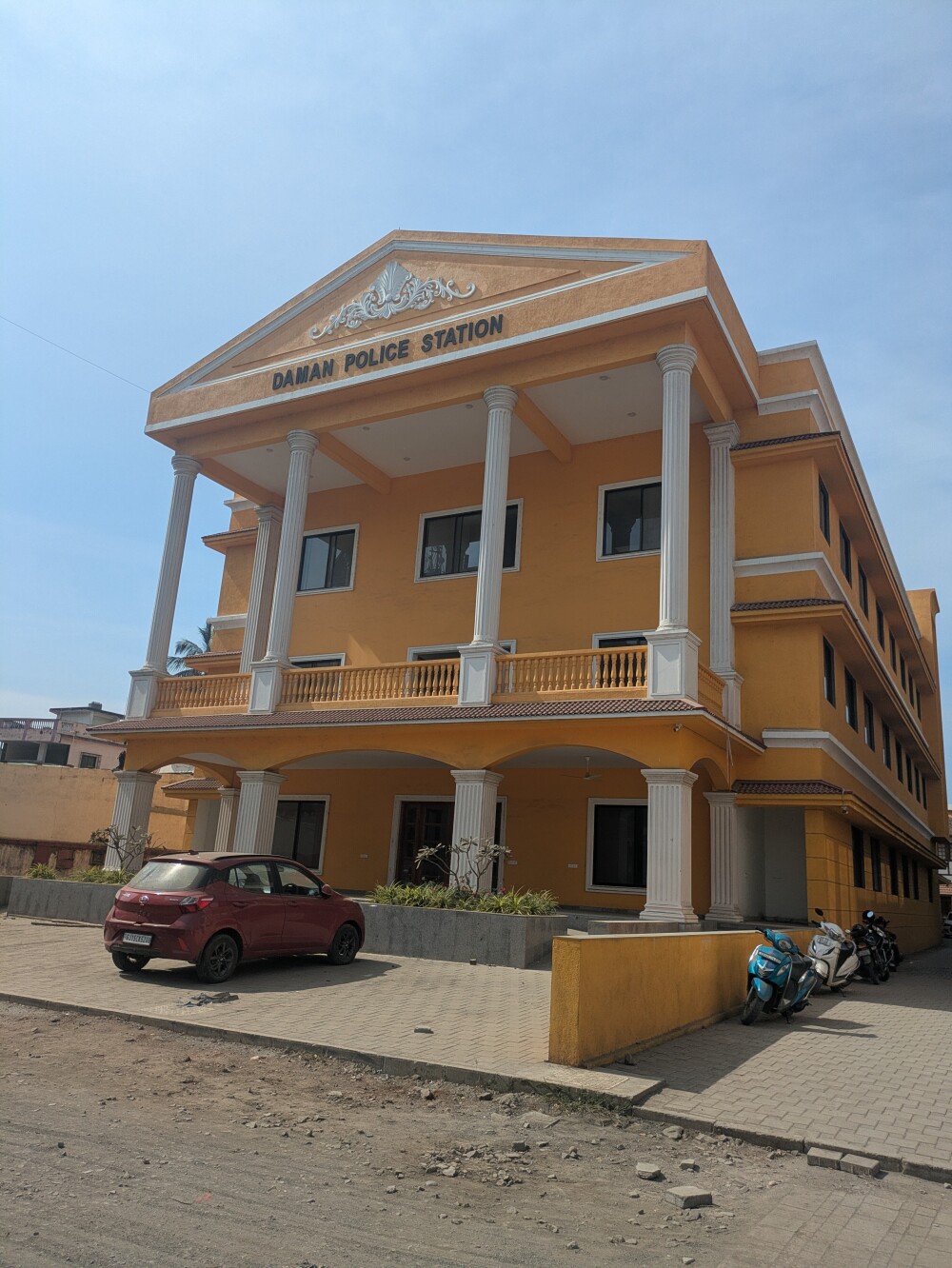
Daman is fairly prominent on maps and in people's minds, because it's a Union Territory, meaning it's not part of Gujarat or Maharashtra, but controlled by the Indian (Union) Government. In practice, this means that Gujuratis come to Daman for legal alcohol, and people from Maharashtra come to Daman for cheaper prices, since the alcohol taxes are lower. It was pretty quiet that Saturday, though. There was hardly anyone hanging around the hostel, and there weren't big crowds out in the town either. I met one group of Mumbaikars at the fort, who were friendly enough, but most groups were sticking to themselves. It seems like the vibe is to go with a carful of friends and get an Airbnb for the weekend - great for them, but not my thing right now. I had fun on my own, though - watching the sunset, calling home, and even seeing some stars. It's really strange to me to be able to sit by the beach at midnight and not be absolutely freezing, least of all in late November. The joys of the tropics! From Dehradun to Daman, I've come ten degrees south in latitude and it's about ten degrees warmer here too.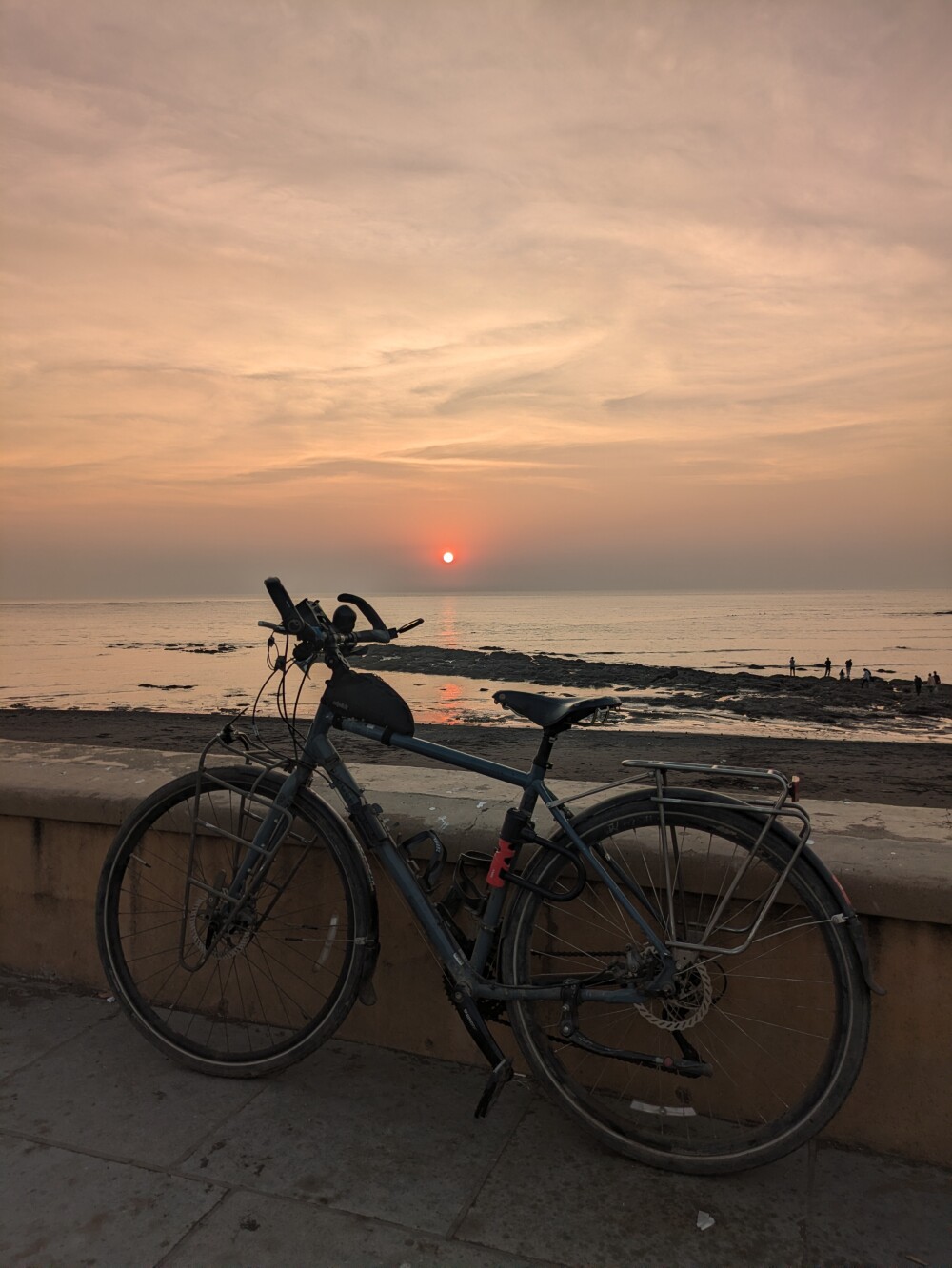
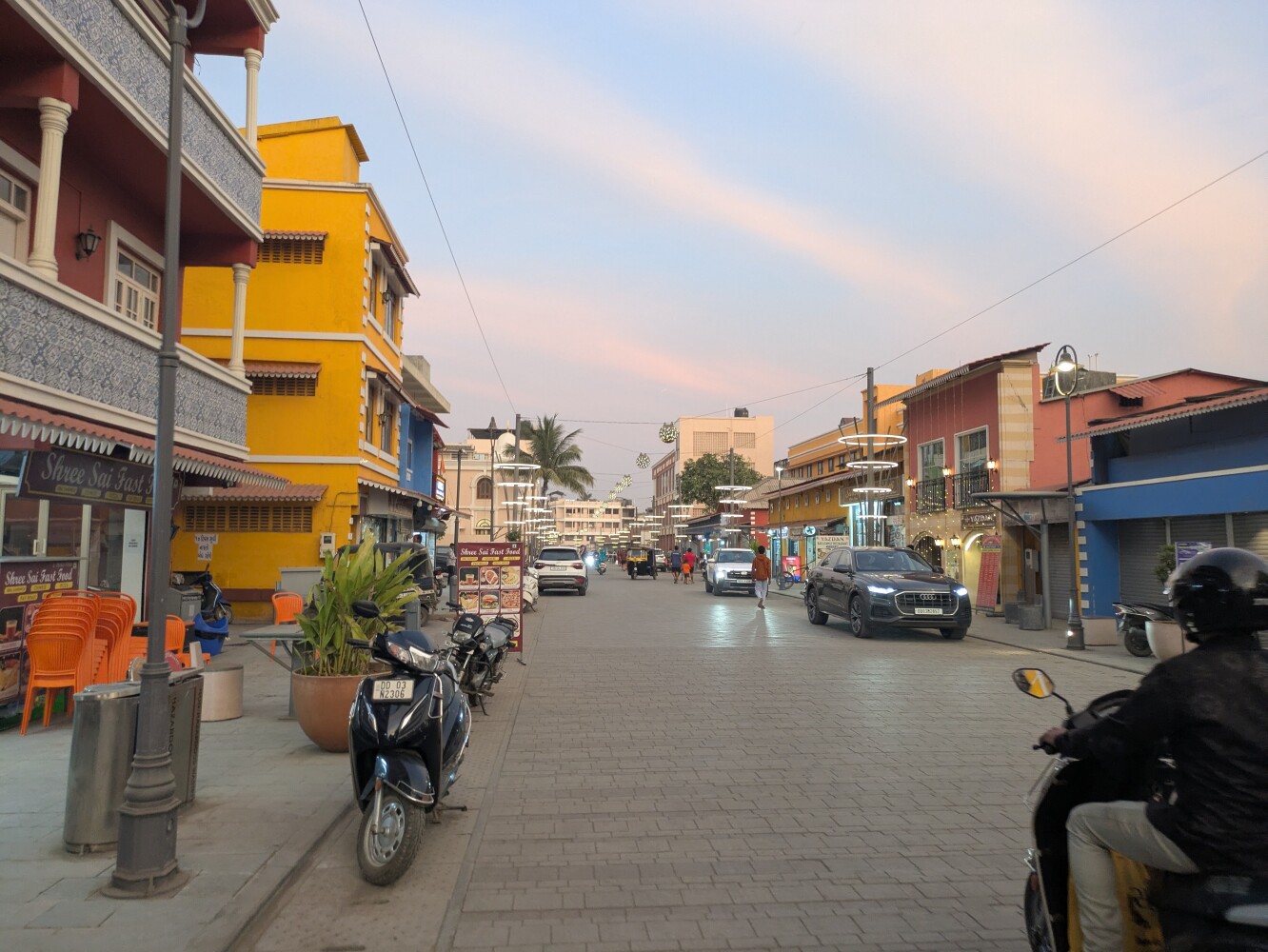
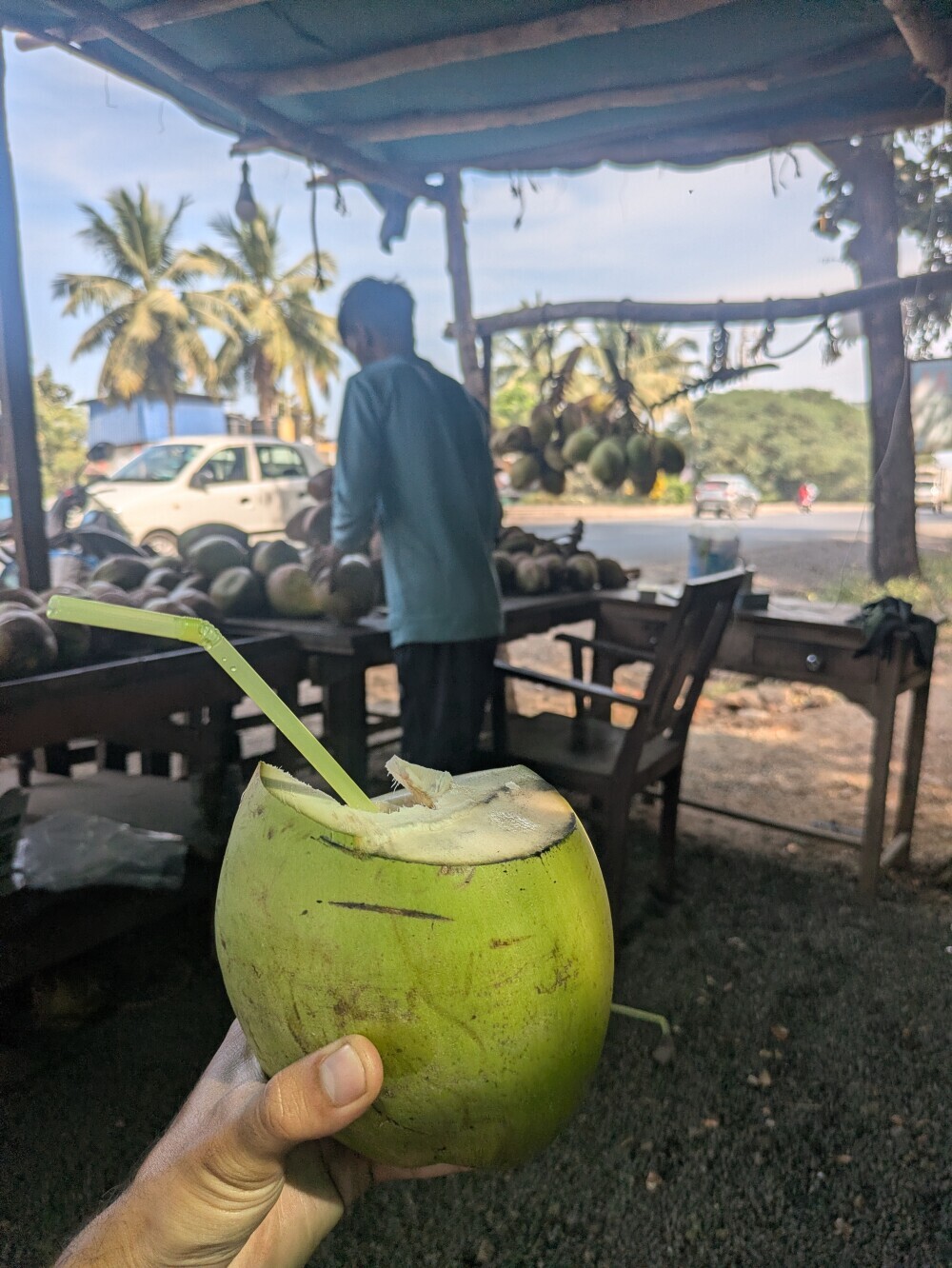
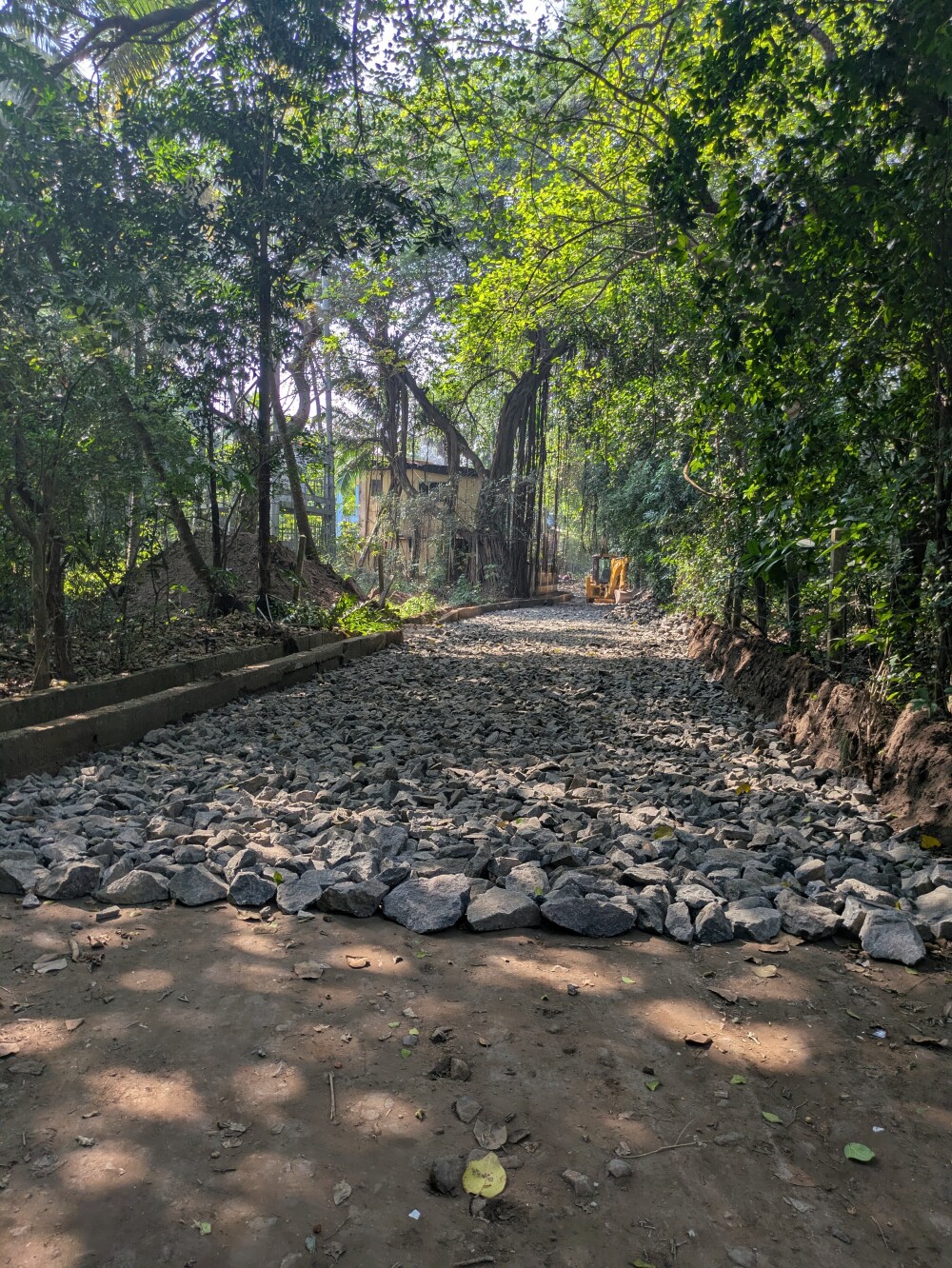
After Daman, I had a stretch of coastal cycling that I'd been promised was quite beautiful and, supposedly, super quiet roads. Whenever a non-cyclist in India tells me a road is quiet, though, I should really remember to adjust my expectations. The Coastal Highway was indeed lower-traffic than many other roads recently, but there were still plenty of cars, motorbikes, and small trucks around. I think the closest UK analogy would be a rural A-road. The scenery was really nice, though: palm trees, lush greenery, and occasional glimpses of beach. I loved those the most, catching shimmers of the water through the palm trees on my right, and I liked to take my breaks with an ocean view where possible.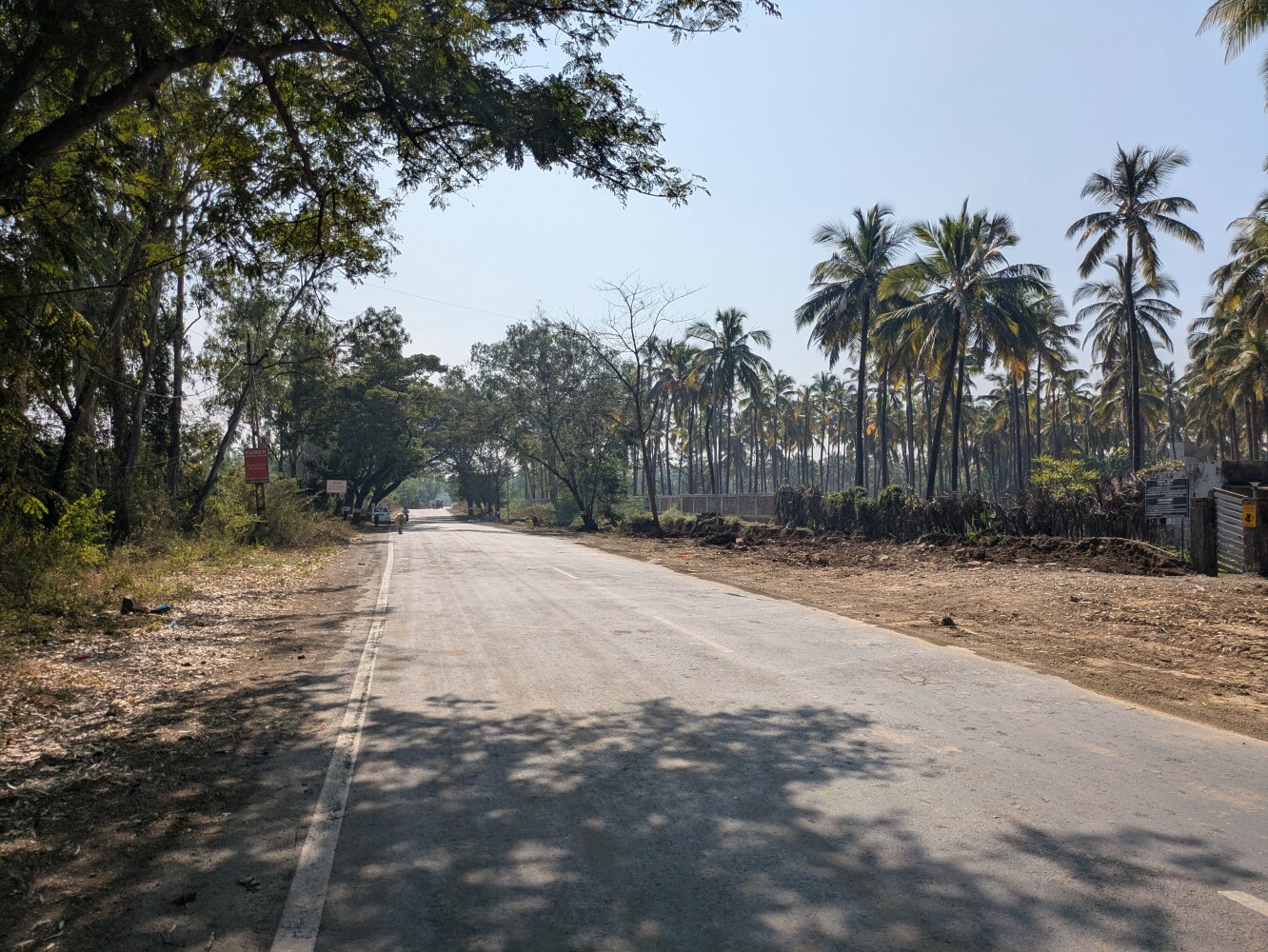
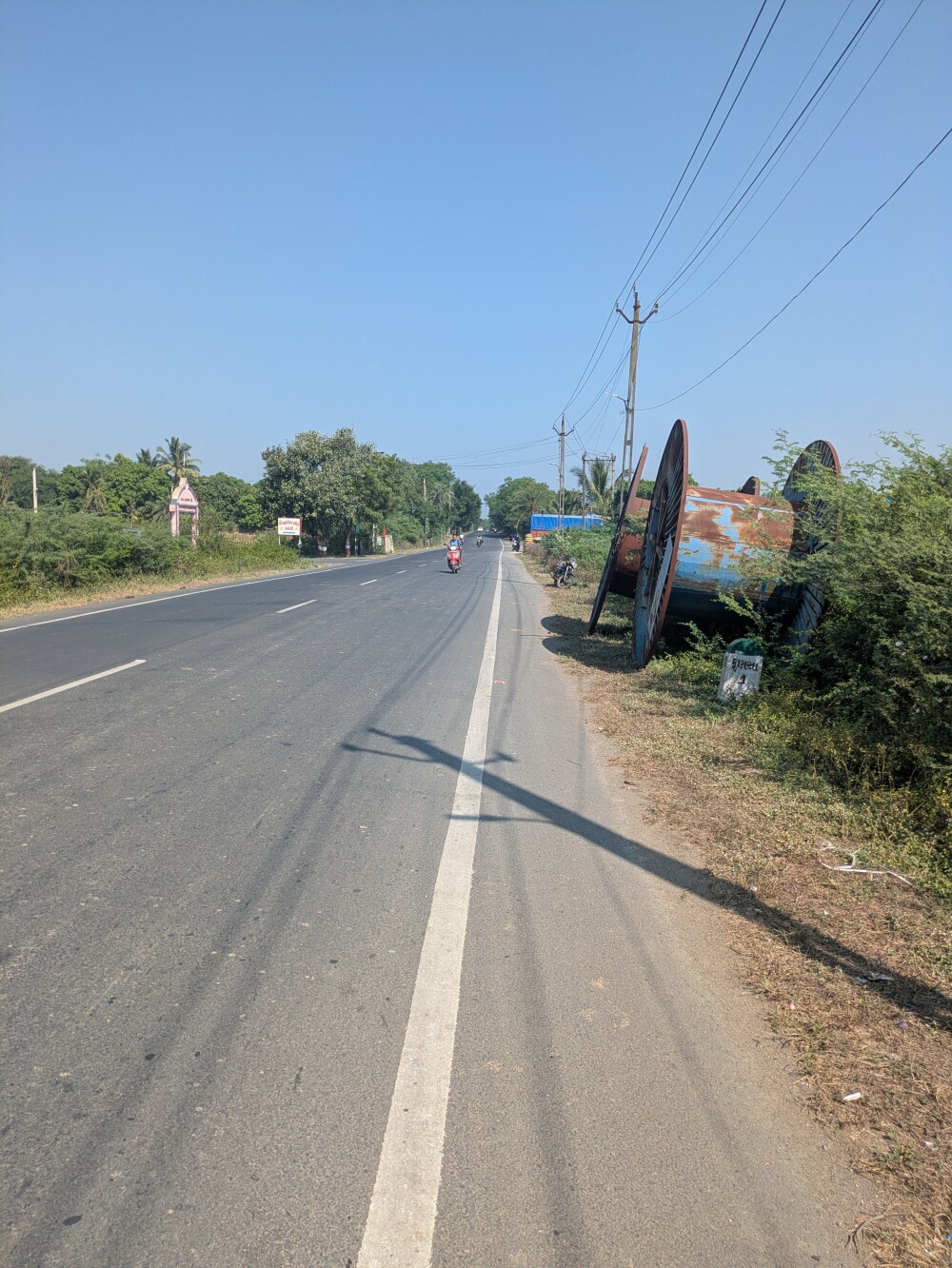
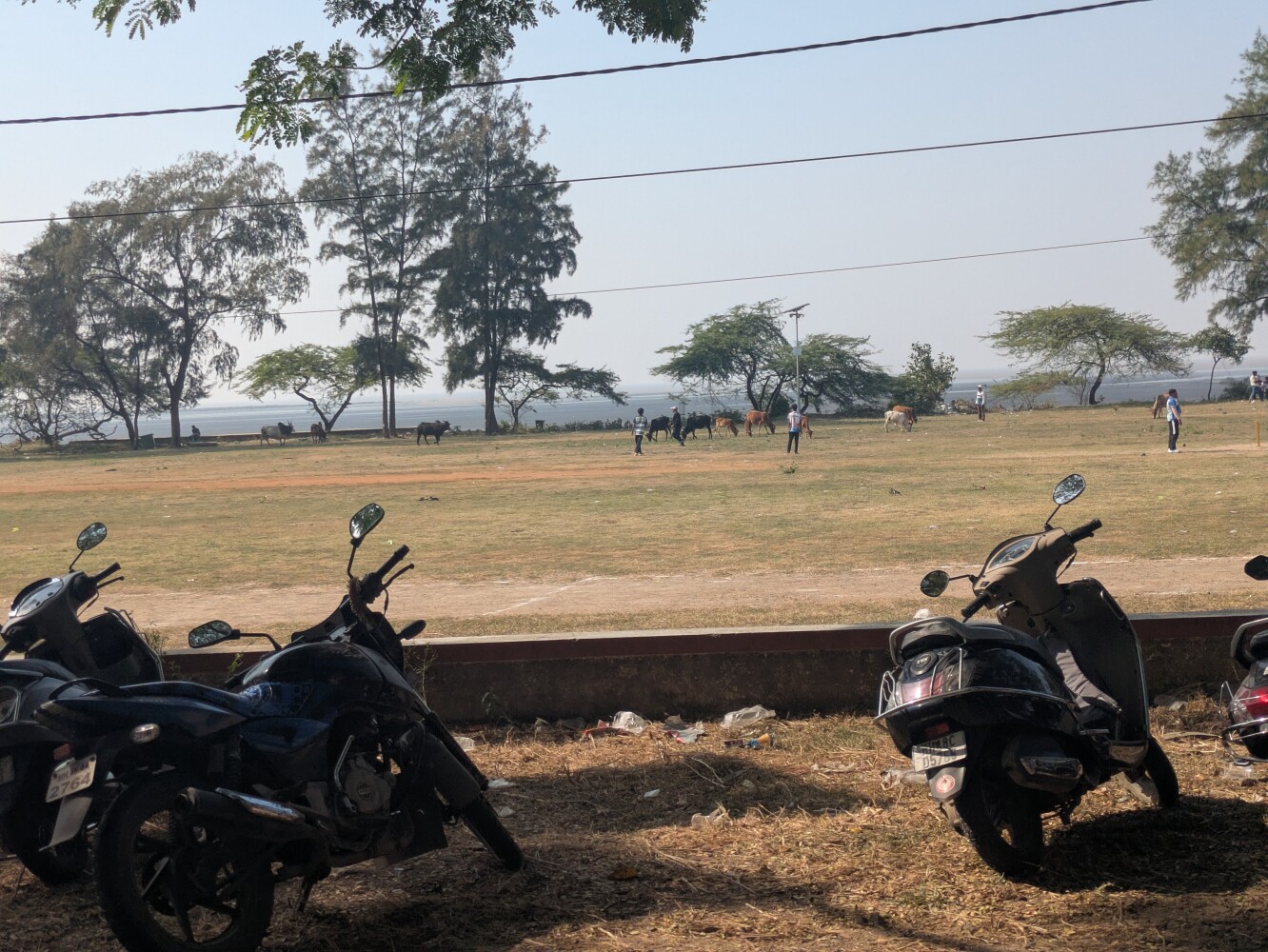
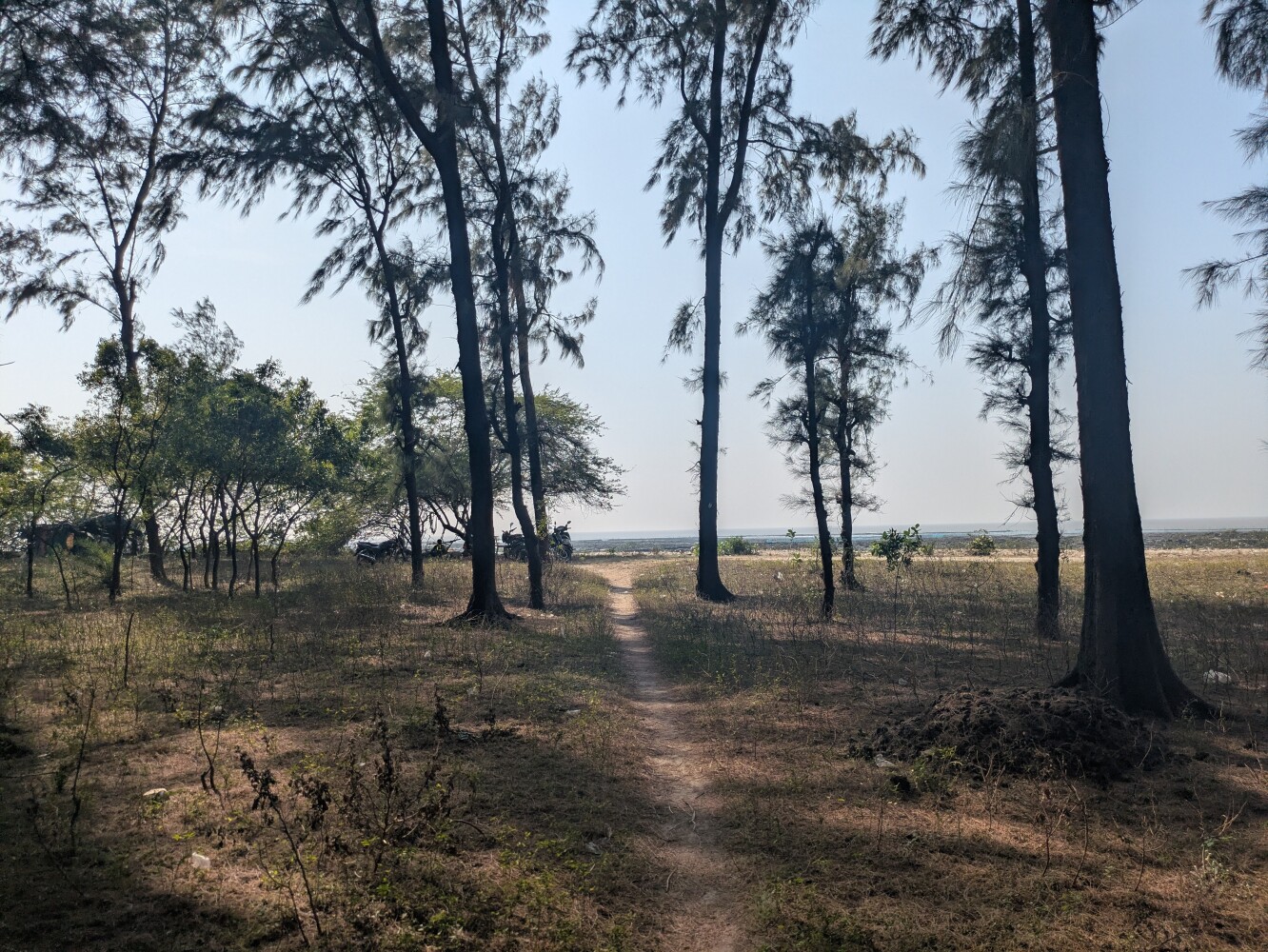
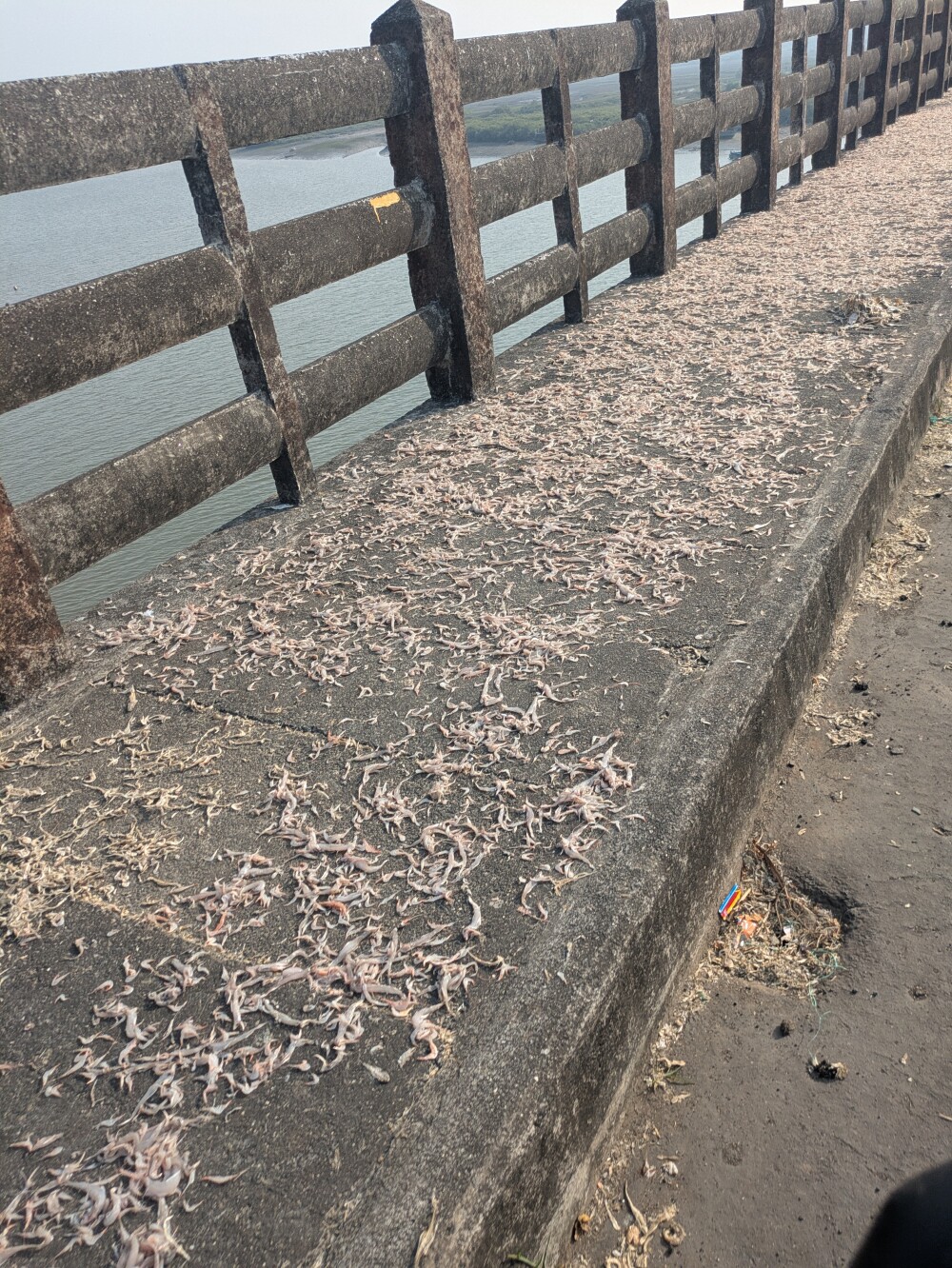
The Coastal Highway passed through a number of villages, and I liked the glimpses of ordinary life I got passing through them. I saw a couple of cricket games in progress - somehow, the first time I’ve noticed those here - and plenty of livestock roaming outside people’s houses. A particular highlight for me was watching a chicken cross the road (I still don’t know why). In Dahanu, the pavement of the main bridge was inexplicably covered in little fish. I suppose they’re laid out there to dry, but I’d never seen anything like it before - the birds must have an absolute feast.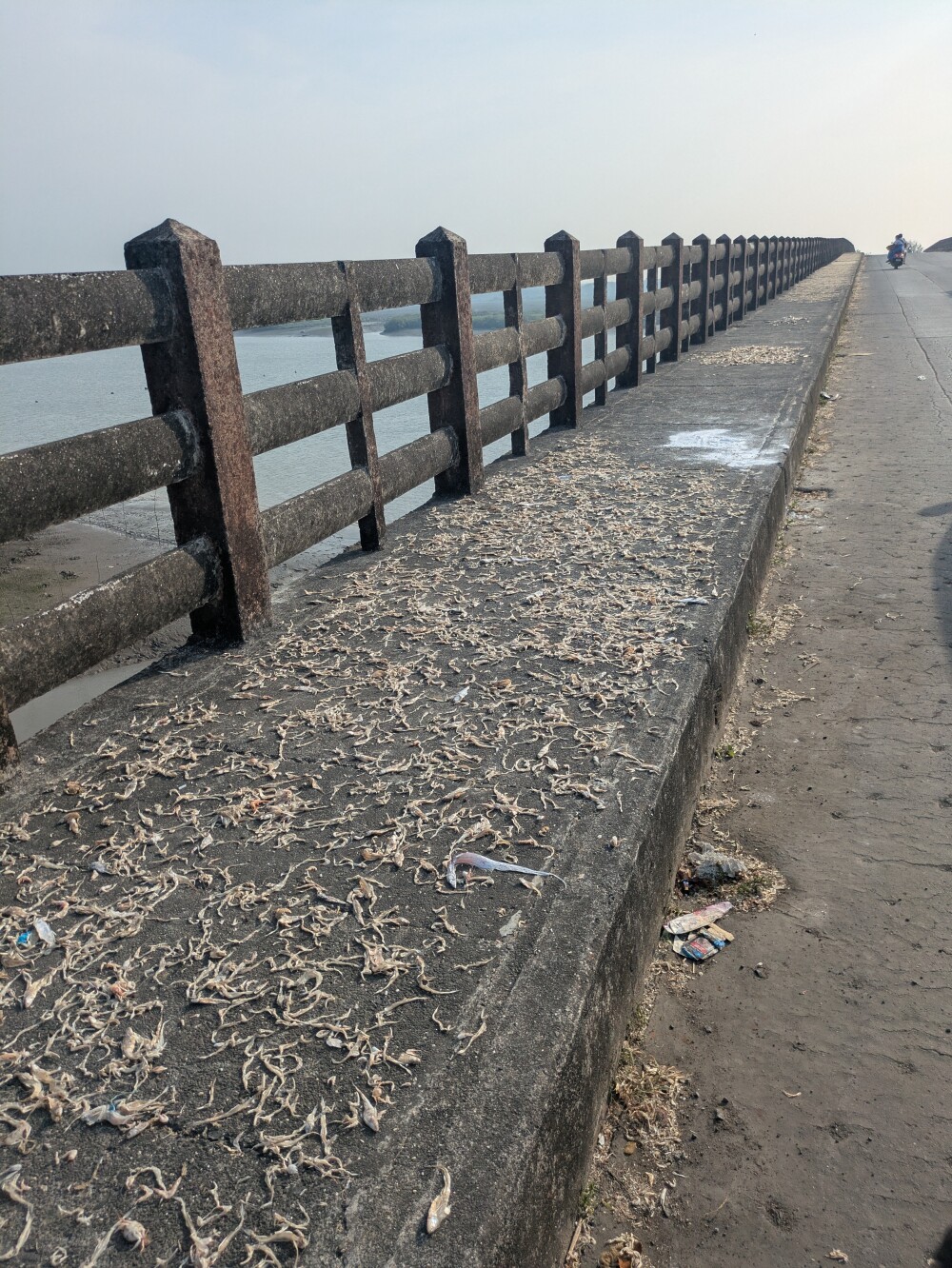
After a very urban time in Gujarat, and one particularly horrible day of truck traffic on National Highway 48 (Bharuch to Surat), this was just what I needed. A change of scenery, a bit of novelty, a bit of quiet - I felt more like I could relax and be on my own. There's no getting away from people in India, but it was more manageable than it had been.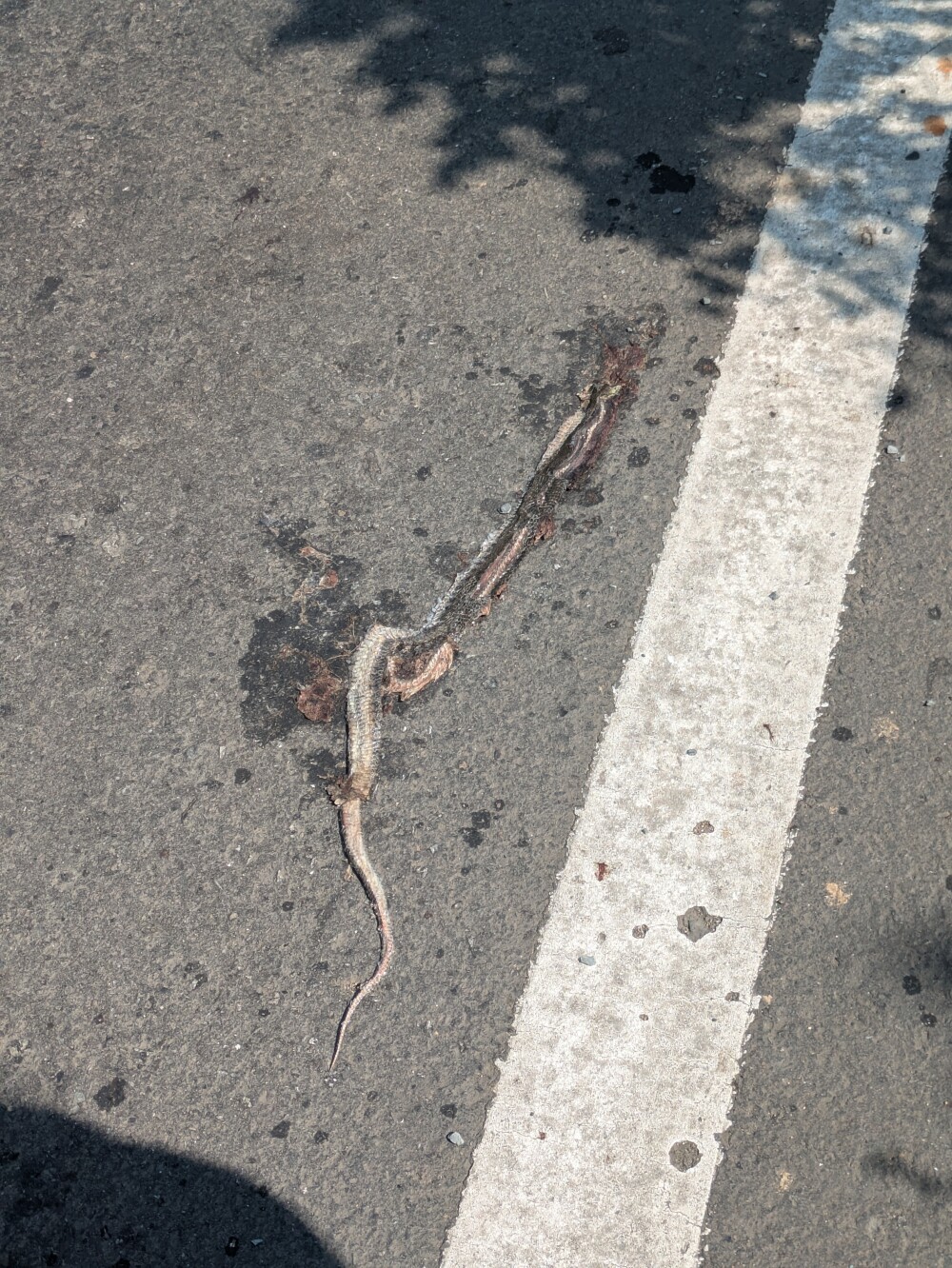
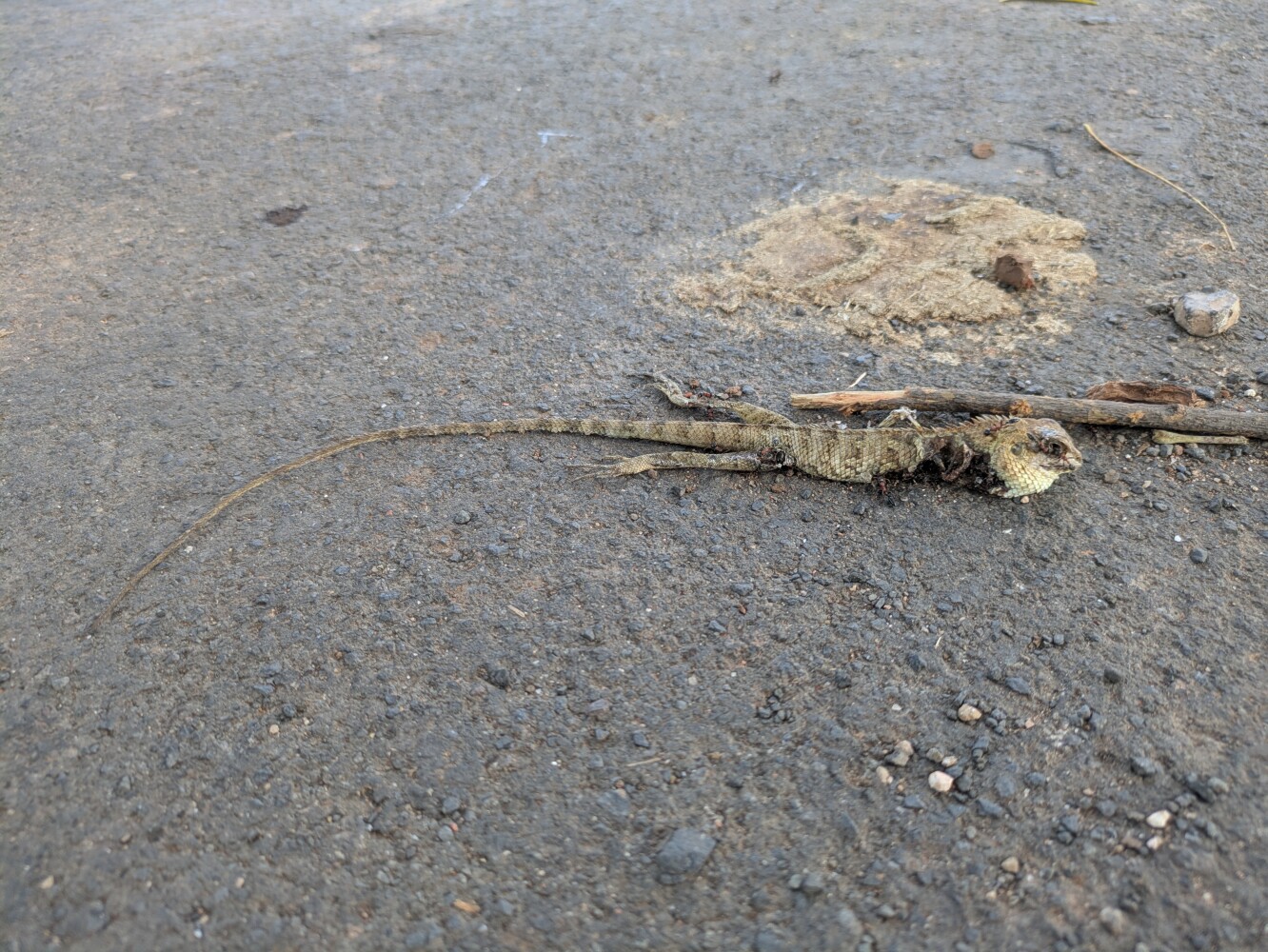
I dipped in and out of the coastal road from there - sometimes forced onto a state highway, sometimes able to stay on coastal village roads. I dipped in towards Boisar for a stop in a crappy hotel, where I lost an argument to get myself hot water for a shower. There was a wedding happening downstairs - plenty of raucous dancing and family drama, which was quite funny to observe - and I was lulled to sleep by the rhythmic thumps of children running outside my door. The following village roads were nicer, thankfully (back to greenery and animals), and I got my long-awaited second sighting of a (living) snake slithering on the road. Alas! I didn’t get a picture of it, but I was absolutely thrilled to see another after I’d given up hope in Gujarat.
The vibes were set to change dramatically as I got towards Virar, on the next peninsula south. Despite being 70km north of Mumbai’s southern tip, Virar looks on the map to be a built-up commuter town, a far cry from the quiet coastal villages I’d been in. To get there, it seemed like I would’ve needed to swing thirty kilometres inland to cross the river using National Highway 48 (my sworn enemy), but this wasn’t the case - phew. Instead, I was able to take a much shorter route across the water using a ferry service that my friend found. This was a much more organised business than the boat I’d taken across the Mahi river, with a real jetty, tickets, and a ferry big enough to carry vehicles.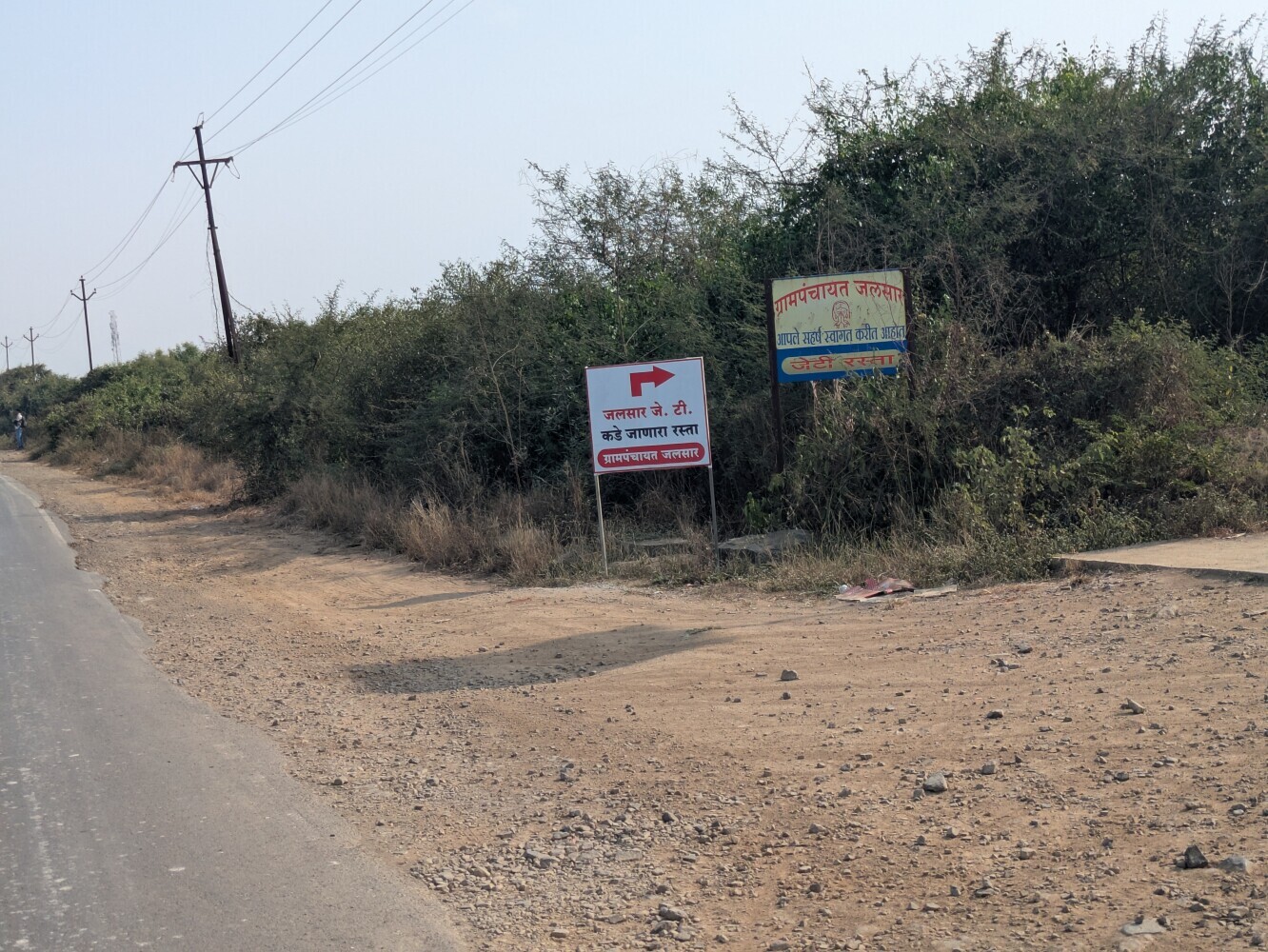
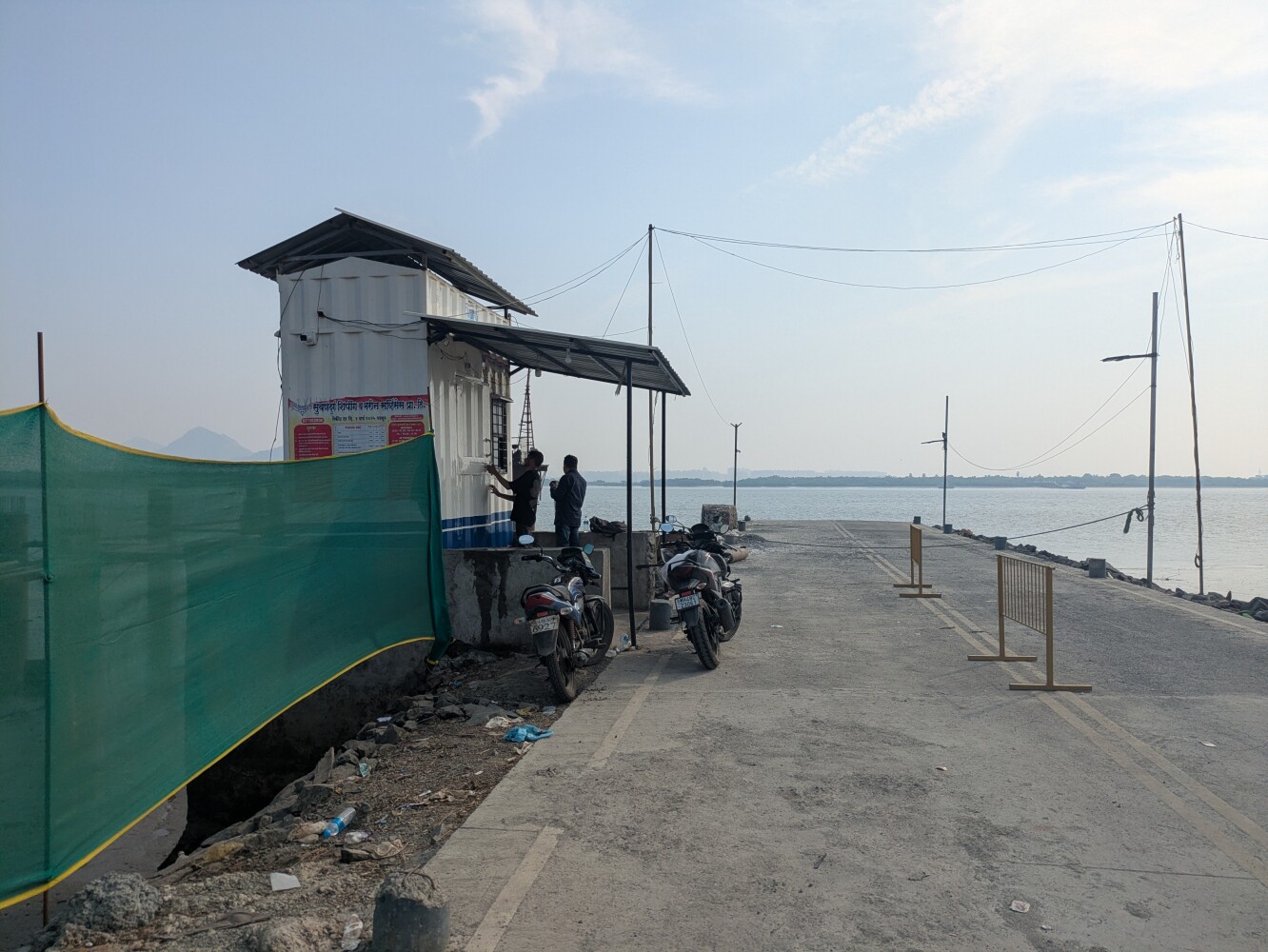
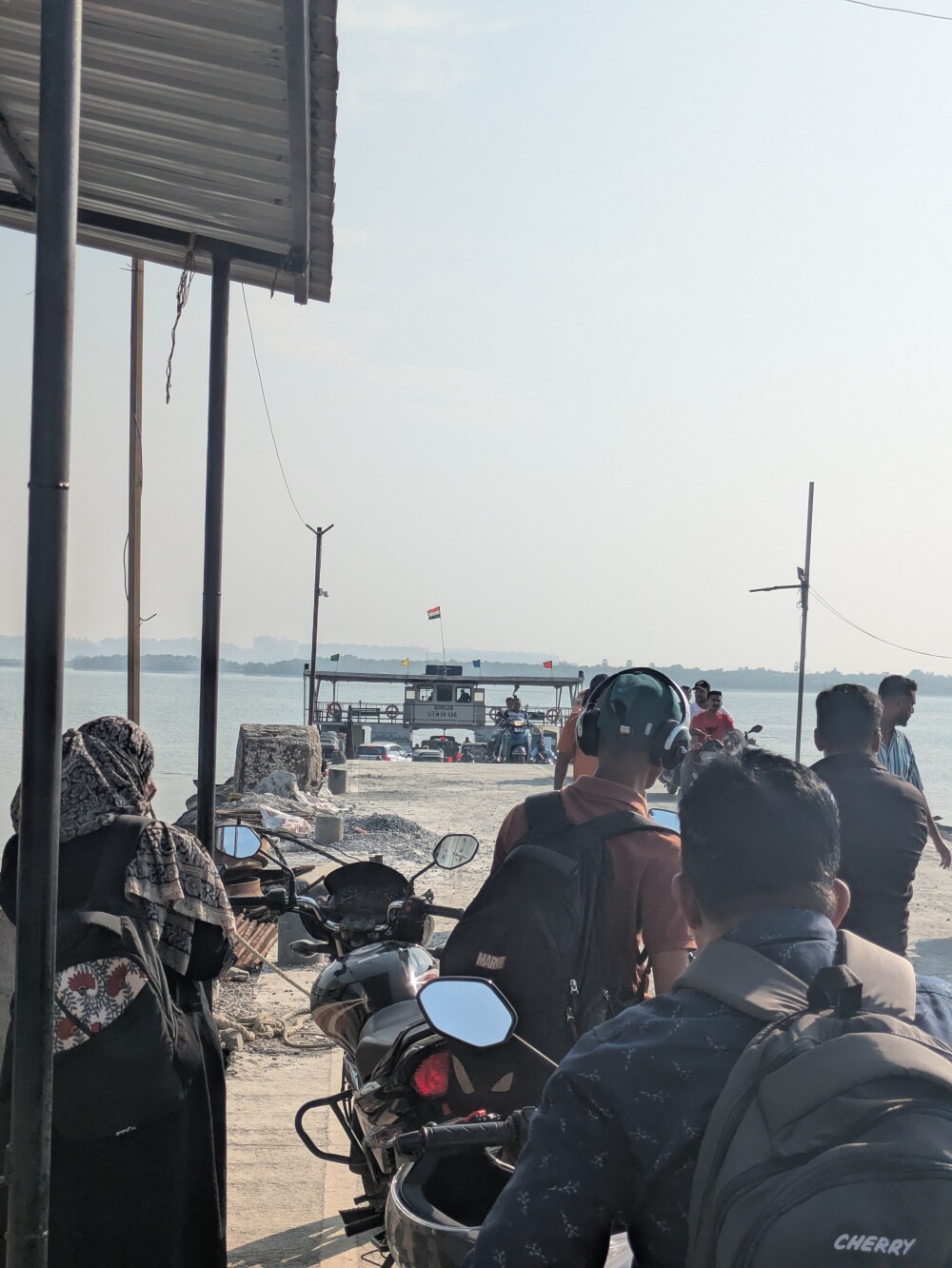
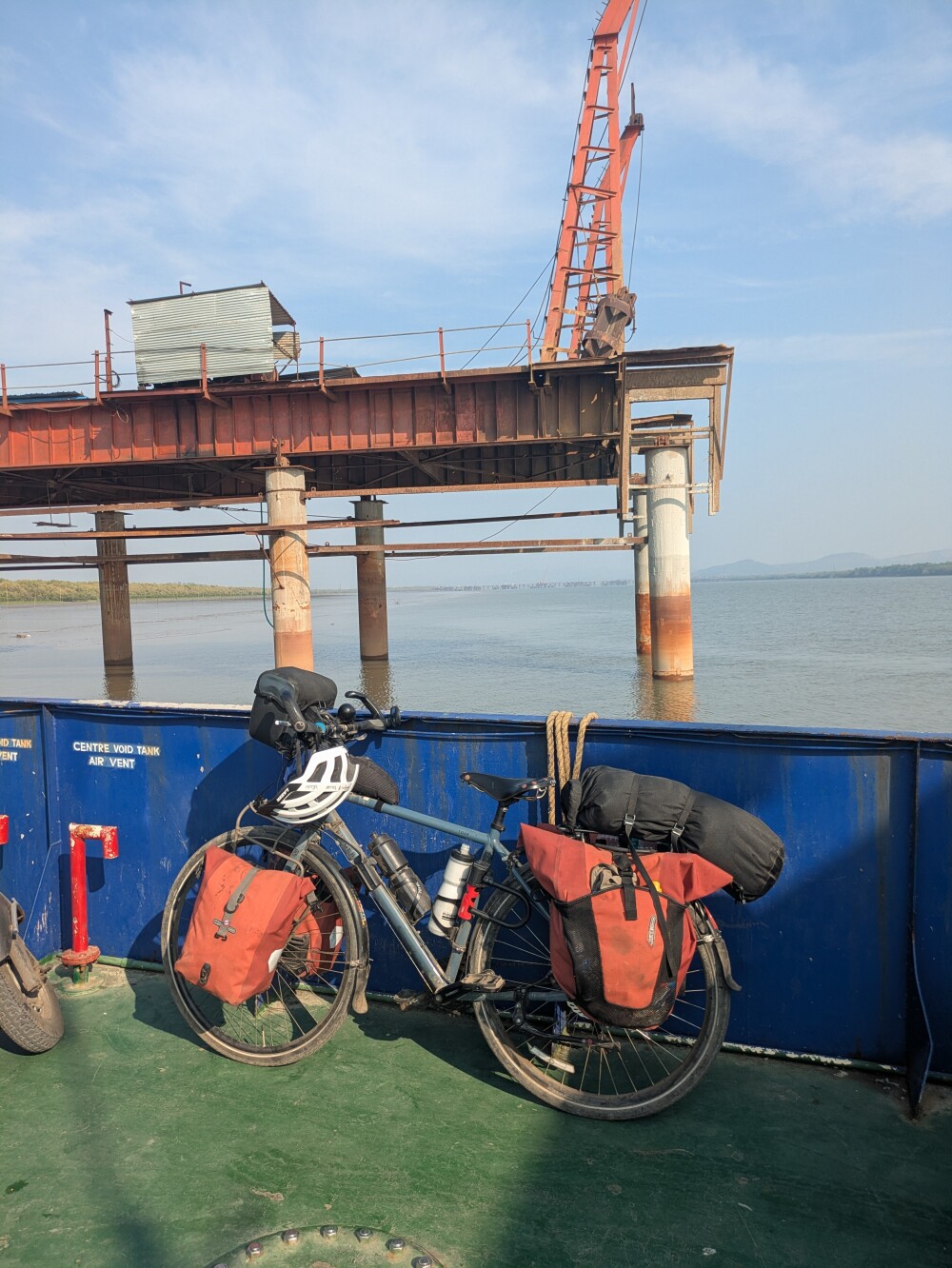
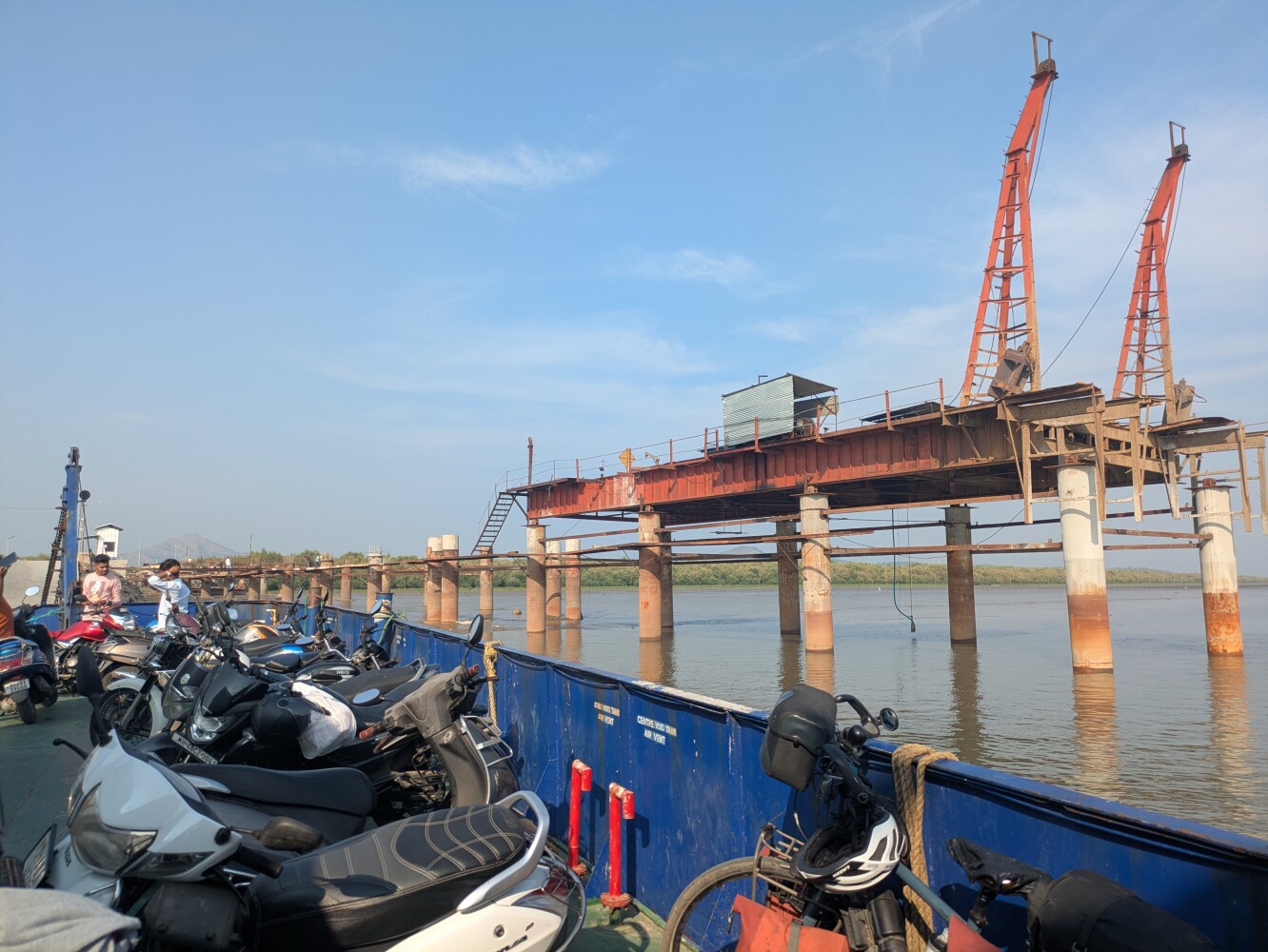
Riding off the ferry, I entered a different world. Tall tower blocks rose in the distance, hinting at the concrete metropolis ahead. As I got into Virar, it was much more built-up and suburban than I'd expected, with big-city shops like KFC, Zudio, and Croma around. It was remarkable how different it was from the pre-ferry world of goats, chickens, and greenery. This would be my future for the next while as I entered the concrete jungle of Mumbai and stayed there, and I took a moment to mourn the nature I was leaving behind. I was already enjoying the benefits of the megacity, though, as I stayed in a comfortable hotel (real hot water shower!) in Vasai and got rare groceries delivered to me: kimchi-flavoured spicy cup ramen and decent chocolate.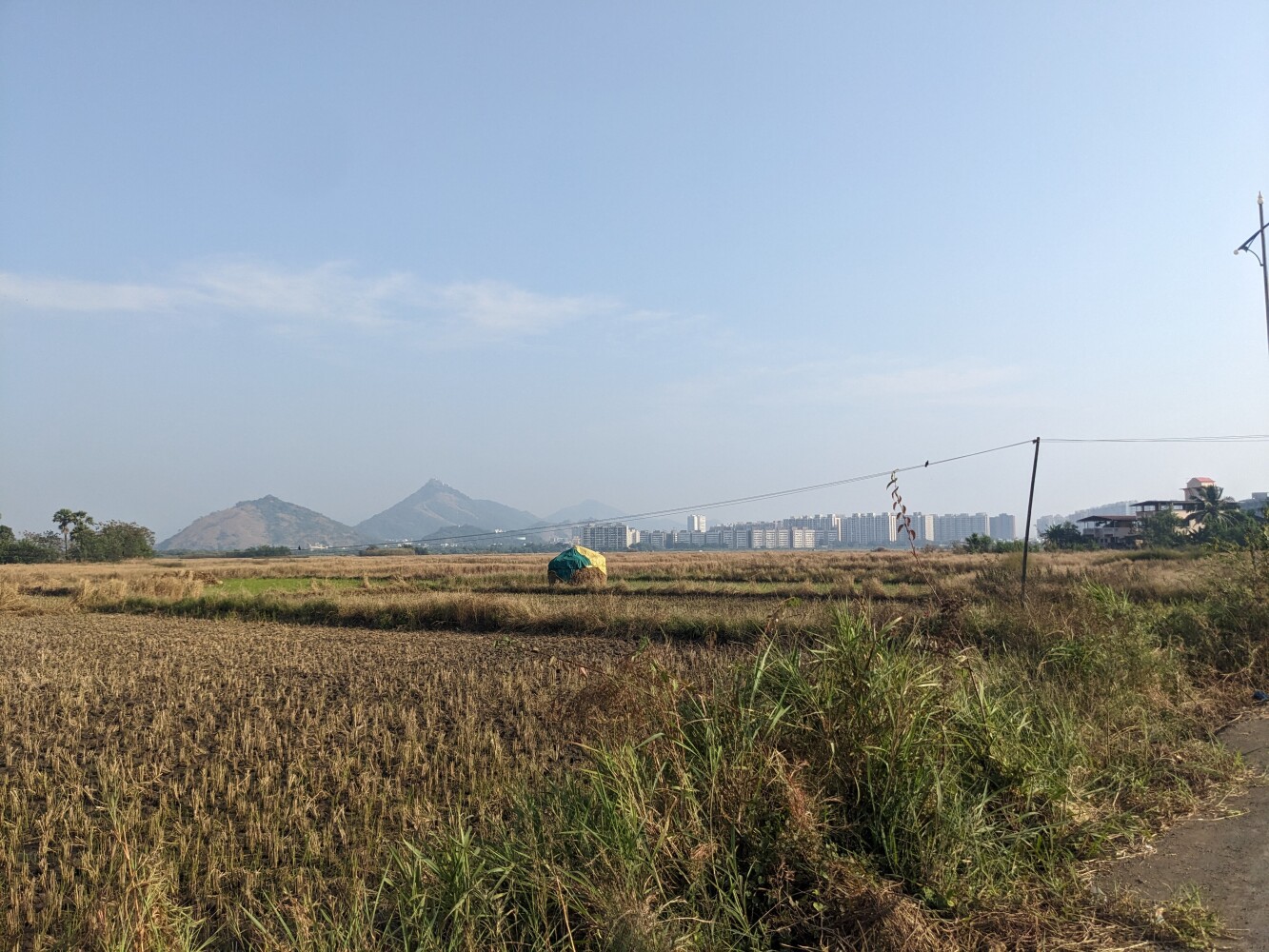
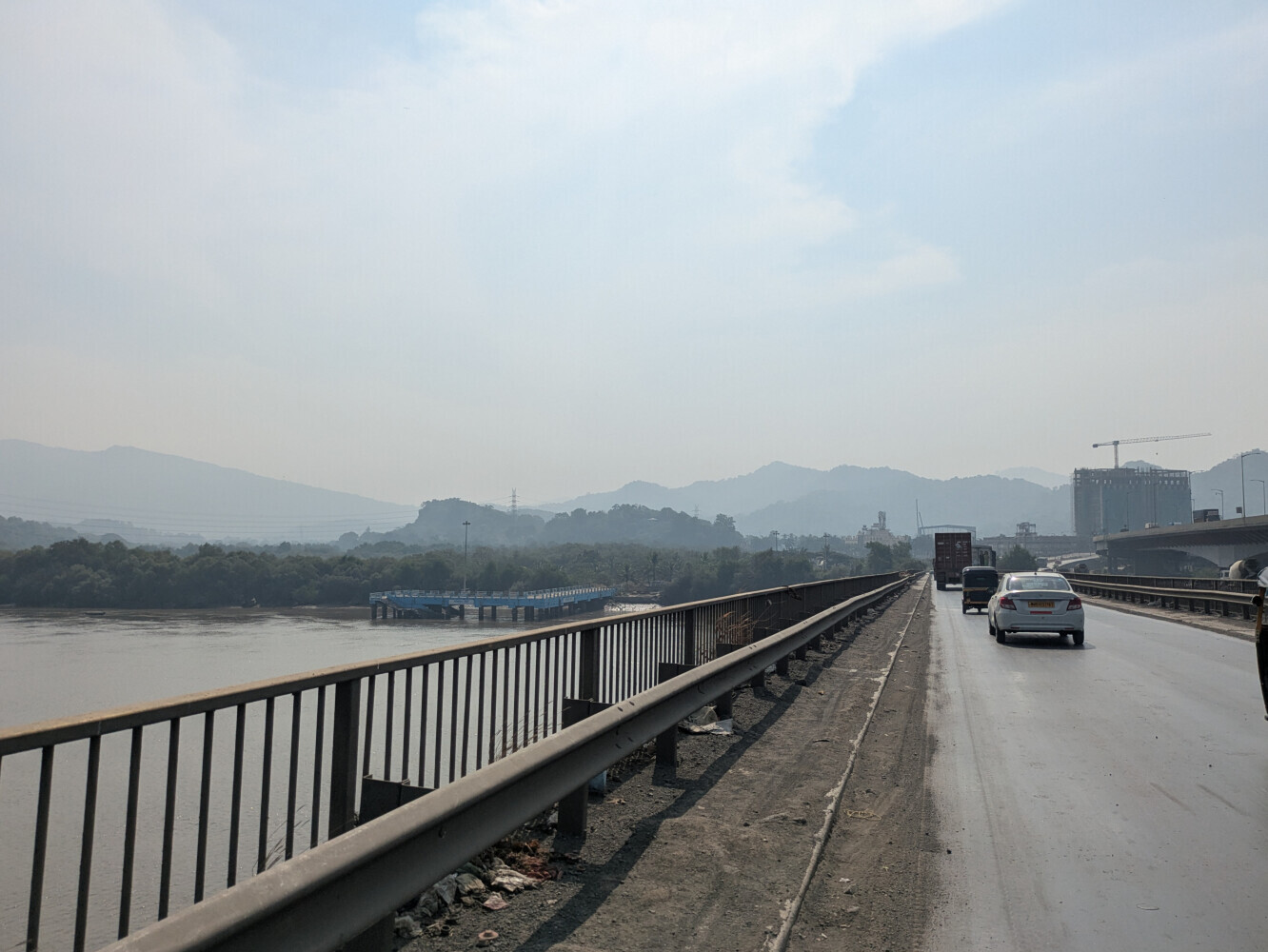
For the final stretch into Mumbai, I was forced to return to my old enemy National Highway 48. There was a railway bridge over the next river, so I could've tried taking my bike on the train, or to convince someone to ferry me across the next creek, but I figured I’d just accept the annoyance of the highway for the sake of keeping things simple. It didn’t end up being too painful, with the road wide enough to accommodate all the traffic - nothing like my traumatic day into Surat with the trucks at my back.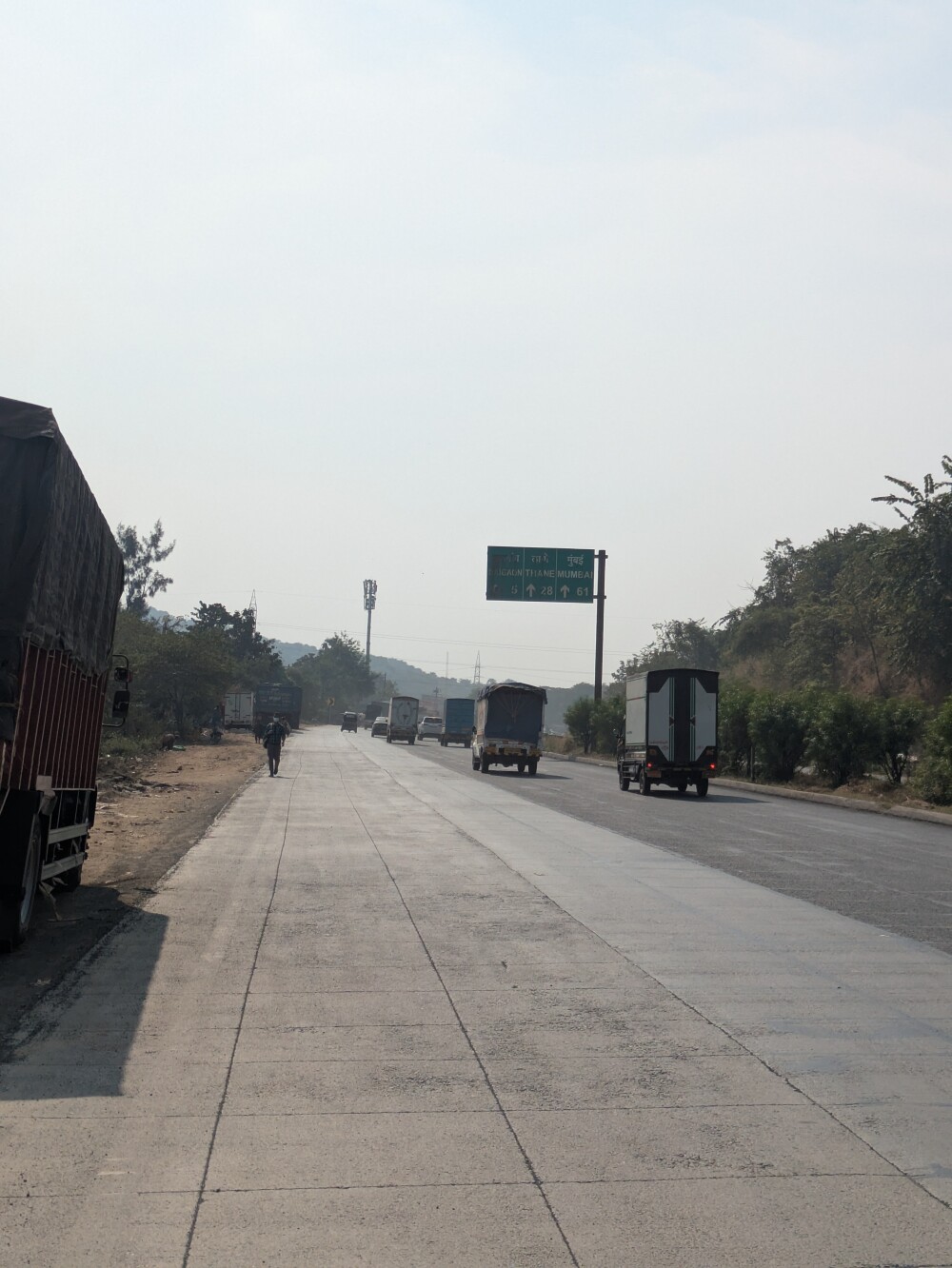
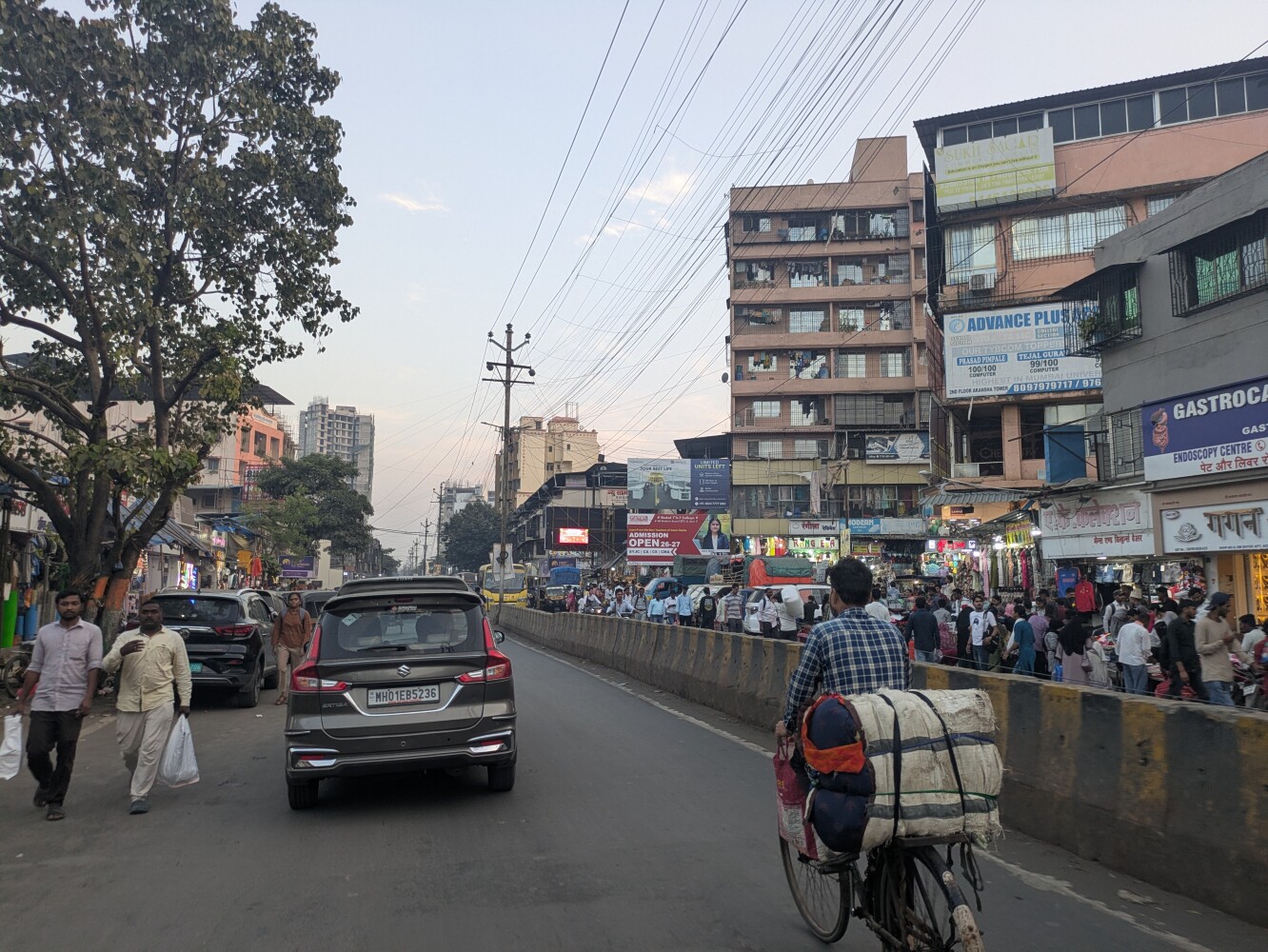
The city itself arrived as a gradient of steadily increasing urbanisation and crowds, and I switched to OpenStreetMap to try to stick to smaller roads than the highways Google Maps’s vehicle routing likes. This had the unfortunate effect of routing me through a pedestrian underpass full of stairs, which I wasn’t willing to go through, so I ended up taking a convoluted and silly route south. That’s fine with me - I get more of an impression of the city this way by riding through the local markets and backstreets. I eventually made it to my hostel, in the northwestern suburb of Andheri West, in hot mid-afternoon, and flopped onto my bed boneless. I’d made it: Mumbai.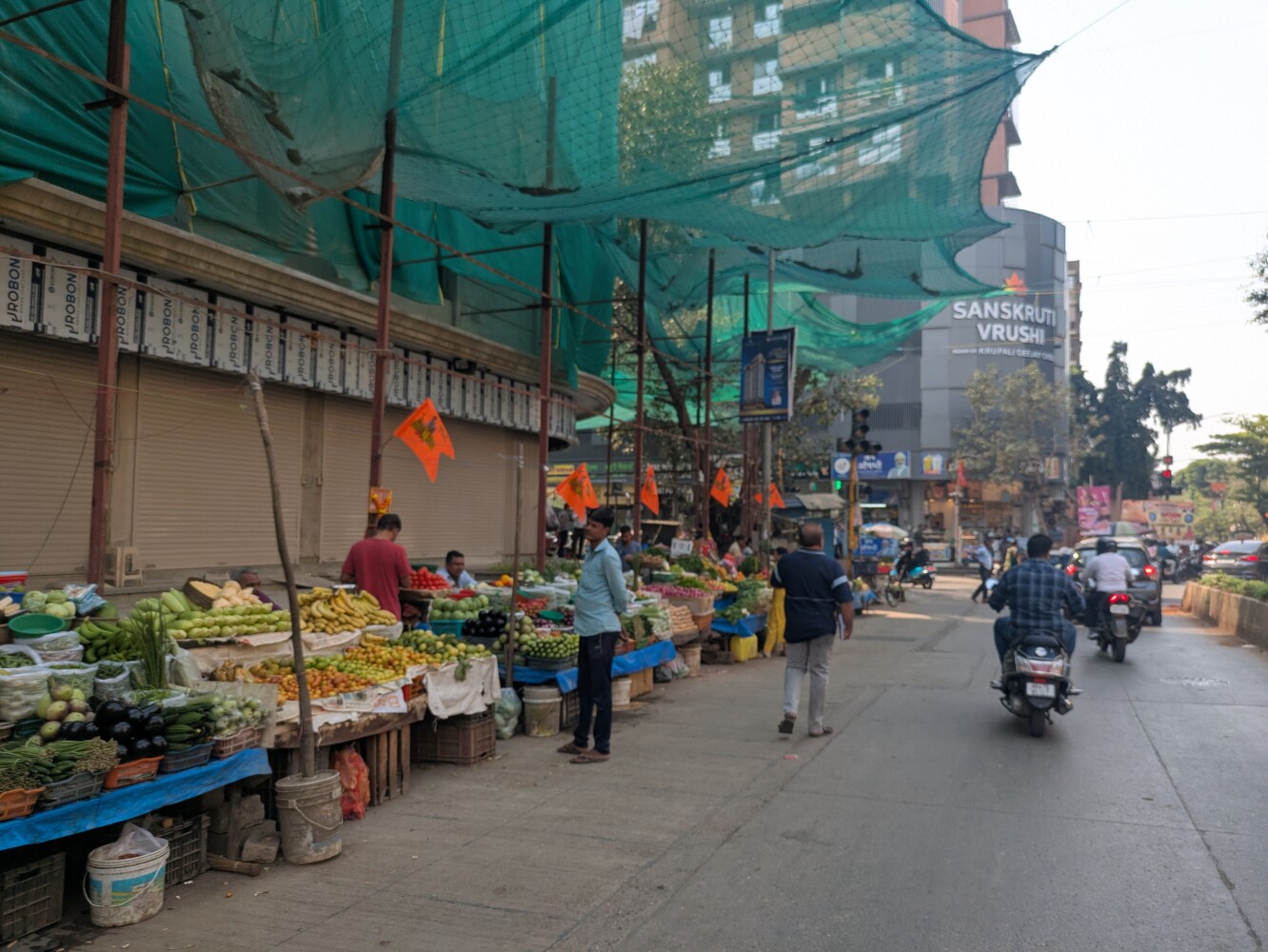
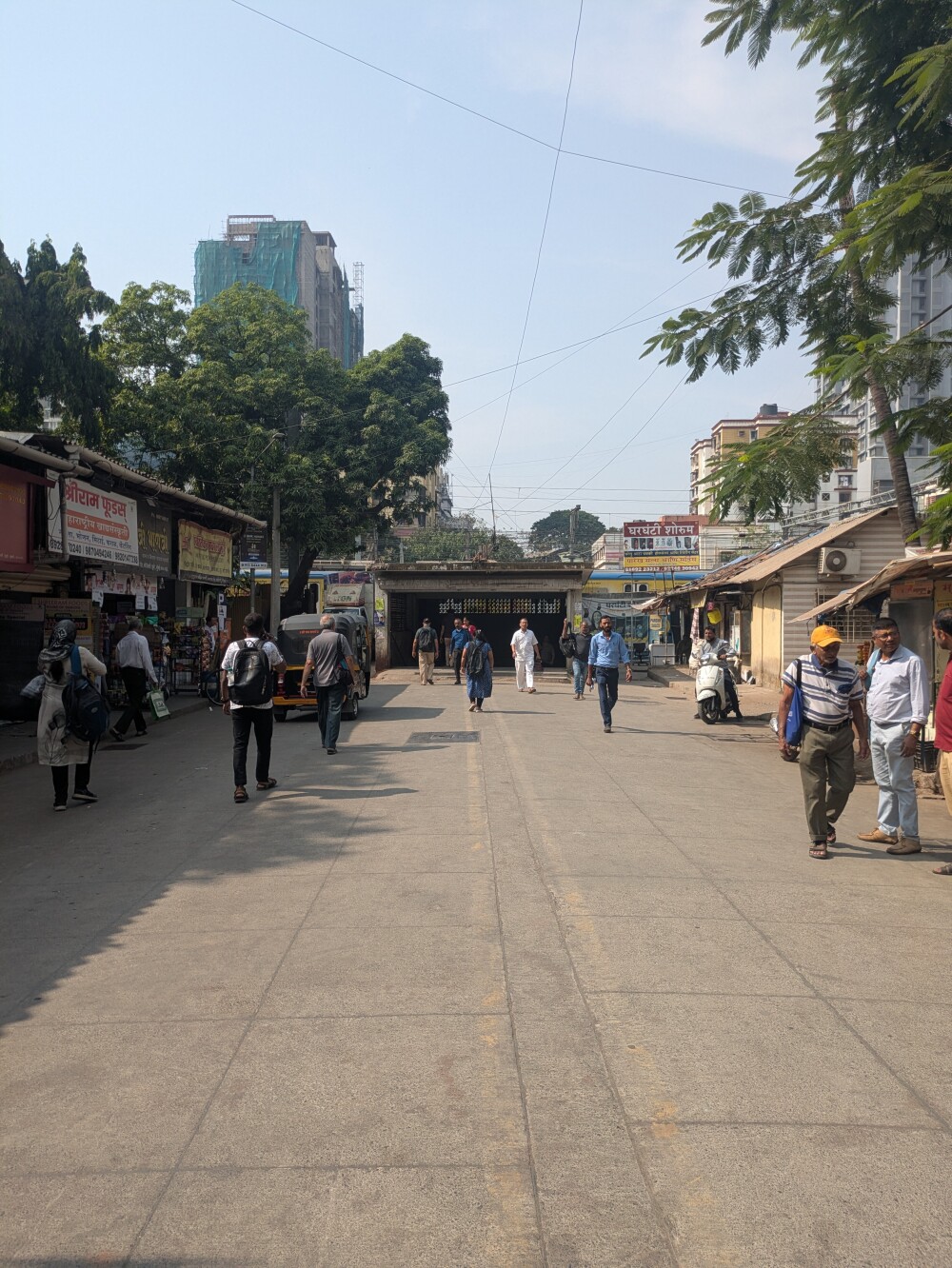
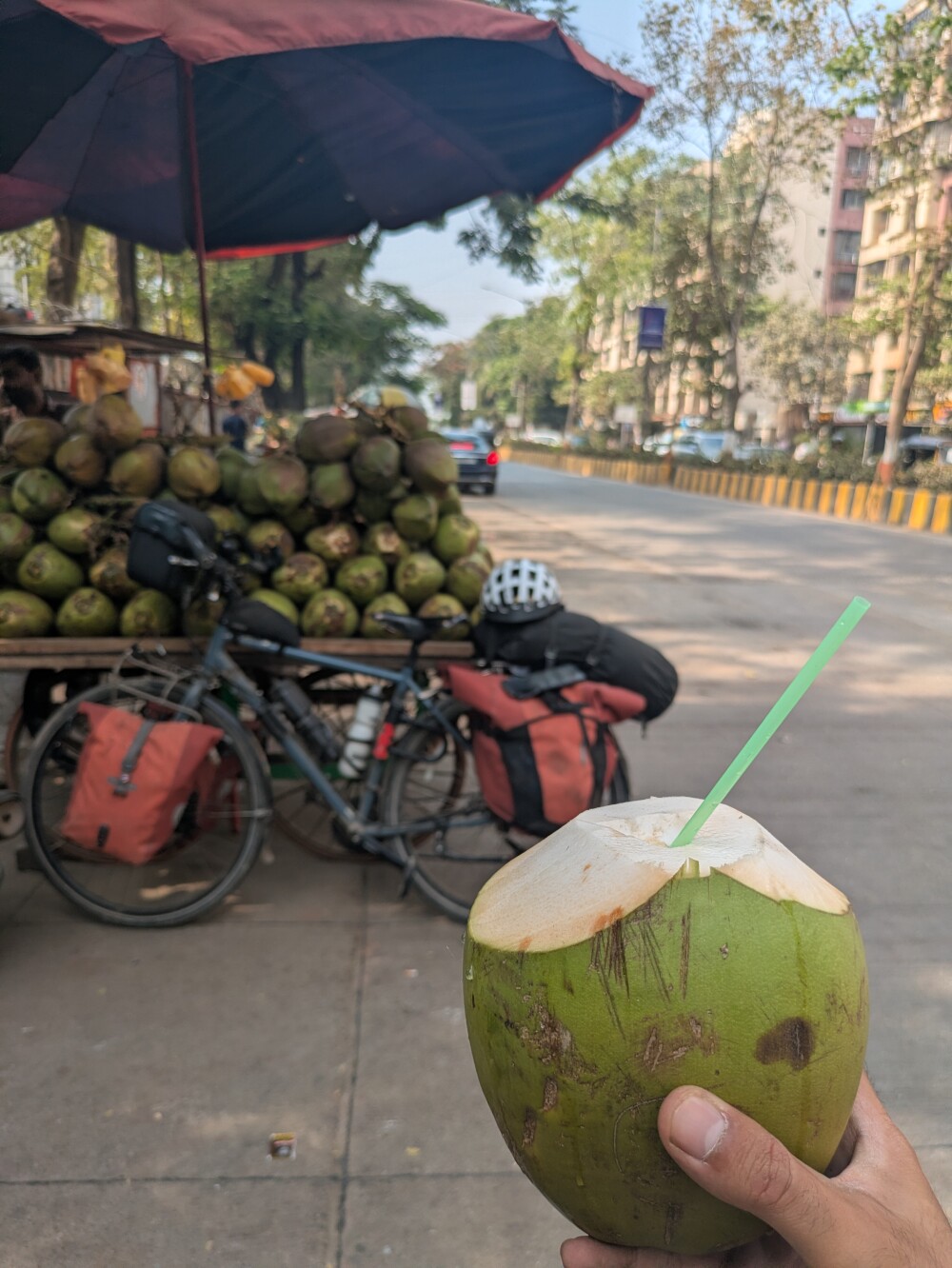
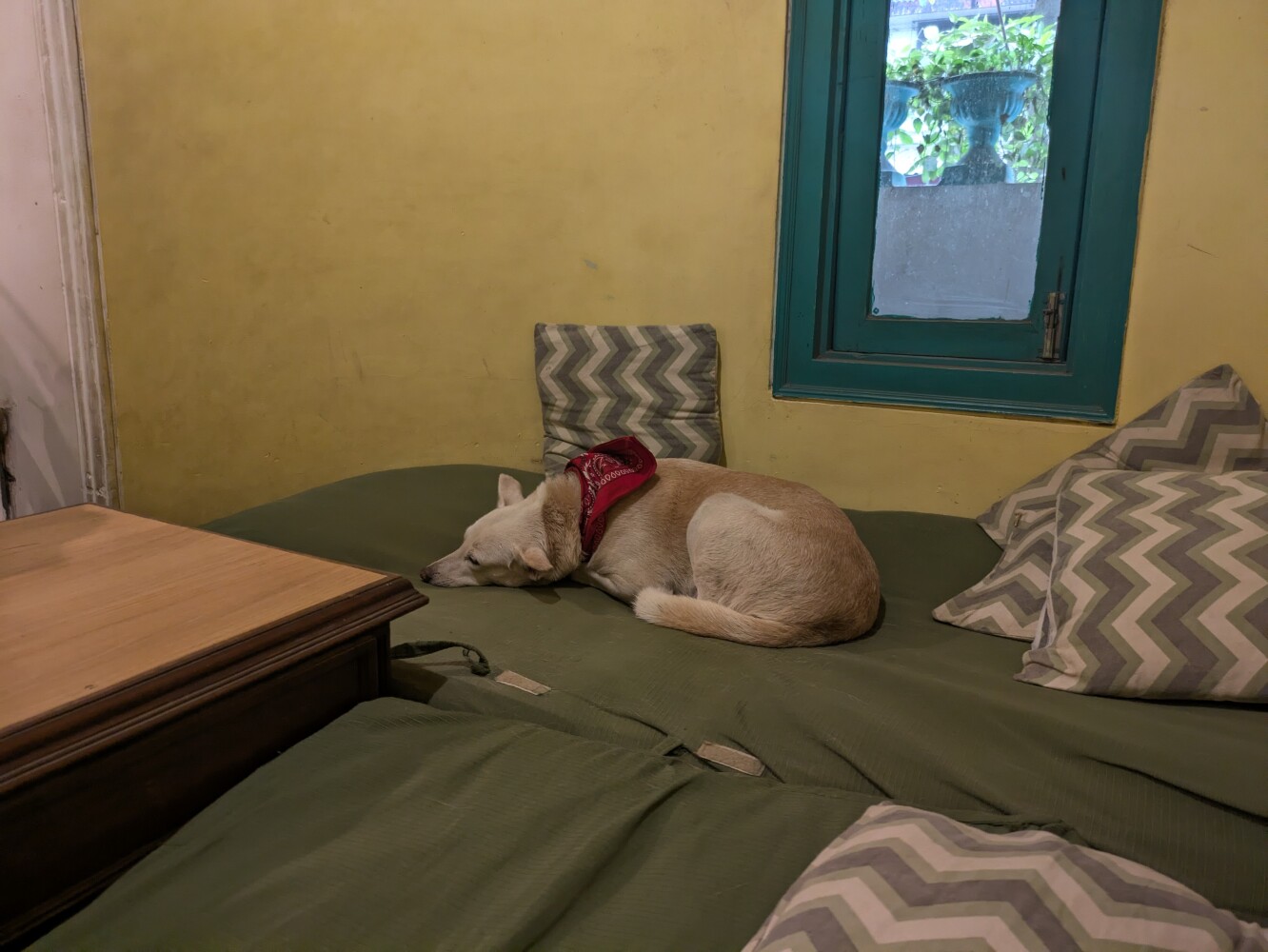
Usually at this point I would make my way to centre of town and take a picture of my bike with the most recognisable and famous landmark. Unfortunately, the Gateway of India, Mumbai's most famous landmark, would be a 60km round trip from my hostel through busy traffic - not exactly my idea of a good time. That's okay, though, because I'll have to take a ferry from the Gateway on my way south towards Goa later, and I'll take a picture then. For now, I'll be staying in the northern suburbs of the city, where I've heard it's more fun. I'm planning to give myself plenty of time to explore the city and make some local friends - I want to take my time with this one, and I want a bit of a break.
After this will be the second half of my India route, where I'll head down to the southern tip, Kanyakumari. The culture of South India is pretty different to the north and I've been waiting for this for a while - I'm hoping it'll be less populated and overwhelming. I've heard it's generally more developed there (whatever that means), but it's a shame that I won't be able to practice my Hindi more to improve it, since they don't speak Hindi so much. I'll enjoy learning more new languages, though, as I always do, and I love South Indian food. I see a lot of good fish in my future.